



Playing Smart, Not Just Hard
Gaming is not only about fast reactions or spending long hours playing—it’s about strategy, thinking, and making smart decisions. Whether you are a beginner or an experienced player, using the right strategies can significantly improve your performance.
Many players focus only on gameplay but ignore planning and decision-making. The difference between an average player and a skilled one often comes down to strategy. Understanding the game, practicing consistently, and adapting to situations are key factors in becoming better.
Modern games are more competitive than ever. With online multiplayer and ranked systems, players need to stay sharp and continuously improve their skills.
In this blog, we will explore the top gaming strategies that every player should know to level up their gameplay and gain a competitive edge.
Understand the Game Mechanics
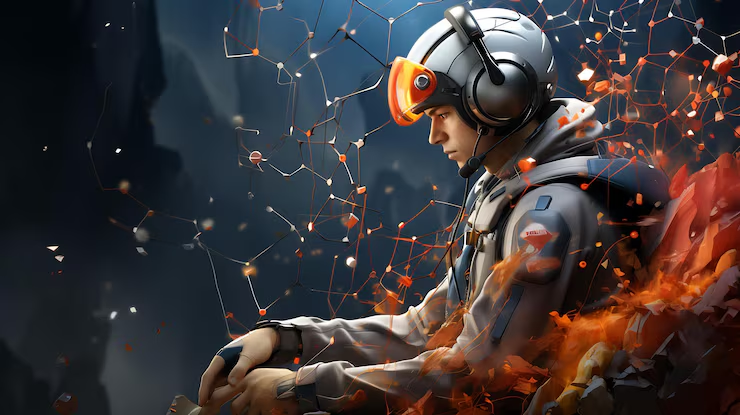
The first and most important strategy is understanding how the game works. Every game has its own mechanics, rules, and systems that define how it is played.
Take time to learn the basics such as controls, objectives, and gameplay features. Knowing how the game operates helps you make better decisions during matches.
Understanding maps, character abilities, weapons, or tools in the game gives you an advantage over other players. The more you know about the game, the more effectively you can play.
Instead of rushing into matches, spend time learning and observing. This builds a strong foundation for improvement.
Practice Consistently and Improve Skills
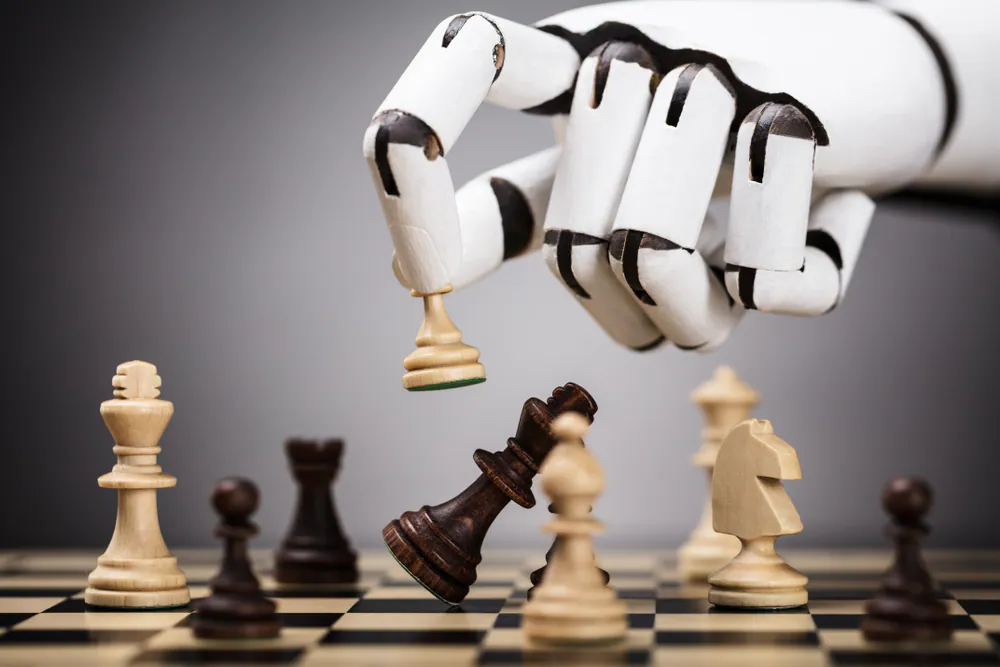
Practice is essential for becoming better at any game. Regular gameplay helps improve reflexes, timing, and decision-making.
Consistency is more important than long gaming sessions. Even short, focused practice sessions can lead to improvement over time.
Work on specific skills such as aiming, movement, or strategy depending on the type of game you play. Identify your weaknesses and focus on improving them.
Watching experienced players can also help you learn new techniques and strategies.
Improvement takes time, so stay patient and keep practicing regularly.
Develop Game Awareness and Focus
Game awareness is the ability to understand what is happening around you during gameplay. It includes tracking enemies, understanding positions, and predicting actions.
Always stay alert and observe your surroundings. Knowing where opponents are and what they might do next gives you a strong advantage.
Avoid distractions while playing. Focus fully on the game to improve your reaction time and decision-making.
Good awareness helps you make smarter moves instead of reacting blindly.
Over time, this skill becomes natural and greatly improves your performance.
Use Smart Decision-Making
Winning a game is not just about skill—it’s about making the right decisions at the right time.
Think before you act. Avoid rushing into situations without a plan. Analyze the situation and choose the best action.
For example, sometimes it’s better to defend instead of attacking, or to wait instead of rushing forward.
Learn from your mistakes. If a decision leads to failure, understand why and improve next time.
Smart decision-making separates good players from great players.
Communication and Teamwork
In multiplayer games, teamwork is extremely important. Good communication can lead to better coordination and success.
Share information with your teammates, such as enemy positions or strategies. This helps the team work together effectively.
Support your teammates instead of focusing only on individual performance. A strong team often wins over individual skill.
Respect and cooperation create a positive gaming environment and improve overall gameplay.
Teamwork is one of the most important strategies in competitive gaming.
Adapt and Stay Flexible
Every game is different, and situations can change quickly. Being able to adapt is a key strategy for success.
Do not stick to one style of play. Be flexible and adjust your approach based on the situation.
If a strategy is not working, try something new. Learning to adapt helps you handle unexpected challenges.
Observe your opponents and change your tactics accordingly. This keeps you one step ahead.
Adaptability makes you a smarter and more unpredictable player.