





Building a Life Through Movement
Sports are not just games played for fun—they are a powerful foundation for living a healthy and active life. In today’s fast-paced world, where people spend long hours sitting, using mobile phones, and working on screens, physical activity has become more important than ever. Sports provide a natural and enjoyable way to stay active while improving both physical and mental well-being.
A healthy lifestyle is not only about eating well or avoiding illness. It is about feeling energetic, staying mentally balanced, and maintaining a positive outlook on life. Sports help achieve all of these by encouraging regular movement, discipline, and consistency.
Whether it is playing cricket with friends, going for a morning run, or joining a gym activity, sports create a routine that keeps your body active and your mind fresh. They also bring joy and reduce stress, making them an essential part of everyday life.
In this blog, we will explore how sports contribute to a healthy and active lifestyle through physical fitness, mental health, daily habits, social development, and long-term benefits.
Physical Fitness and Strength Development

One of the most important roles of sports is improving physical fitness. When you engage in sports regularly, your body becomes stronger, more flexible, and more energetic.
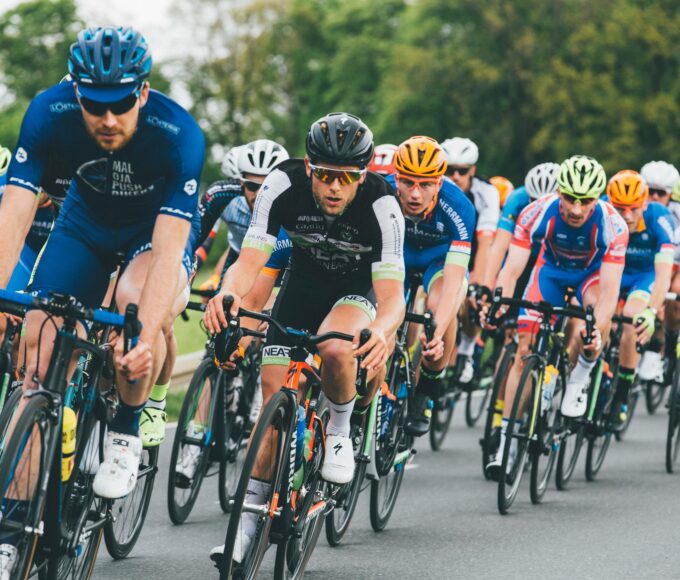
Sports activities such as running, cycling, swimming, or playing football improve cardiovascular health. These activities increase heart rate and improve blood circulation, reducing the risk of heart diseases.
Muscle strength is another major benefit. Different sports engage different muscle groups, helping to build strength and improve coordination. Over time, your body becomes more balanced and physically capable.
Sports also help in maintaining a healthy weight. Regular physical activity burns calories and prevents fat accumulation, reducing the chances of obesity.
Another important benefit is improved stamina. People who play sports regularly can perform daily tasks with more energy and less fatigue.
Bone strength also improves through sports, especially activities that involve running or jumping. This reduces the risk of bone-related problems in the future.
Overall, sports create a strong and healthy body, which is the foundation of an active lifestyle.
Mental Health and Stress Management

Sports are not only good for the body but also for the mind. They play a major role in improving mental health and reducing stress.
When you participate in sports, your brain releases chemicals called endorphins. These chemicals improve mood and create a feeling of happiness. This is why people often feel relaxed and refreshed after physical activity.
Sports also help reduce stress and anxiety. Engaging in physical activity allows you to take a break from daily problems and focus on the present moment.
Confidence improves as you achieve small goals in sports. Whether it is improving your performance or winning a match, these achievements boost self-esteem.
Sports also improve focus and concentration. Regular physical activity helps clear the mind and improves mental clarity.
In addition, sports can help reduce symptoms of depression. They provide a sense of purpose and keep individuals engaged in positive activities.
By supporting mental health, sports contribute to a balanced and peaceful life.
Building Discipline and Daily Routine
Sports help individuals develop discipline and maintain a structured daily routine. This is one of the most valuable benefits of an active lifestyle.
When you participate in sports regularly, you follow a schedule. This includes practice time, rest, and proper planning. This routine helps improve time management skills.
Discipline in sports means staying consistent even when you don’t feel motivated. It teaches the importance of commitment and hard work.
Sports also encourage healthy habits such as proper sleep, balanced diet, and regular activity. These habits contribute to overall well-being.
Avoiding laziness and staying active becomes easier when sports are part of your routine. It reduces the chances of a sedentary lifestyle.
The discipline learned through sports can also be applied to studies, work, and personal life. It helps individuals stay focused and achieve their goals.
Social Interaction and Personal Growth
Sports bring people together and create opportunities for social interaction. They help individuals build relationships and develop important life skills.
Team sports such as football, cricket, or basketball teach teamwork and cooperation. Players learn how to work together and support each other.
Communication skills improve as players interact and coordinate during games. This helps in building strong relationships.
Sports also teach leadership skills. Some individuals take on roles where they guide and motivate others.
Personal growth is another important aspect. Sports teach patience, perseverance, and the ability to handle success and failure.
Friendships formed through sports often last a long time. The shared experiences create strong bonds.
These social benefits make sports an important part of a healthy and fulfilling life.
Long-Term Benefits of an Active Lifestyle
The impact of sports is not limited to short-term benefits. It plays a crucial role in long-term health and lifestyle improvement.
People who engage in sports regularly are more likely to stay healthy as they age. They have lower risks of chronic diseases such as diabetes and heart problems.
An active lifestyle improves productivity and energy levels. Individuals can perform their daily tasks more efficiently.
Sports also help build mental resilience. They prepare individuals to face challenges and overcome difficulties.
The habits developed through sports, such as discipline and consistency, continue throughout life.
In addition, sports create a positive mindset. Individuals who stay active are often more motivated and confident.
These long-term benefits show how sports contribute to a better and healthier future.