





A World Transformed by Innovation
The modern era is defined by rapid technological progress and digital transformation. Over the past few decades, digital innovation has reshaped how we live, work, communicate, and interact with the world. What once seemed like advanced technology is now part of everyday life.
Digital innovation refers to the use of new technologies to improve processes, create solutions, and enhance user experiences. From smartphones and cloud computing to artificial intelligence and automation, these innovations are driving change across industries.
Today, businesses rely on digital tools to operate efficiently, and individuals depend on technology for daily tasks. This shift has created a more connected and fast-moving world where information is available instantly.
The rise of digital innovation is not just about convenience—it is about transformation. It is changing industries, creating new opportunities, and redefining the way society functions.
In this blog, we will explore how digital innovation is shaping the modern era and its impact on different aspects of life.
The Growth of Smart Technologies

Smart technologies are at the heart of digital innovation. These technologies are designed to make systems more intelligent, efficient, and user-friendly.
Artificial intelligence (AI) and machine learning are key components of smart technology. They allow systems to learn from data and improve over time. This makes processes faster and more accurate.
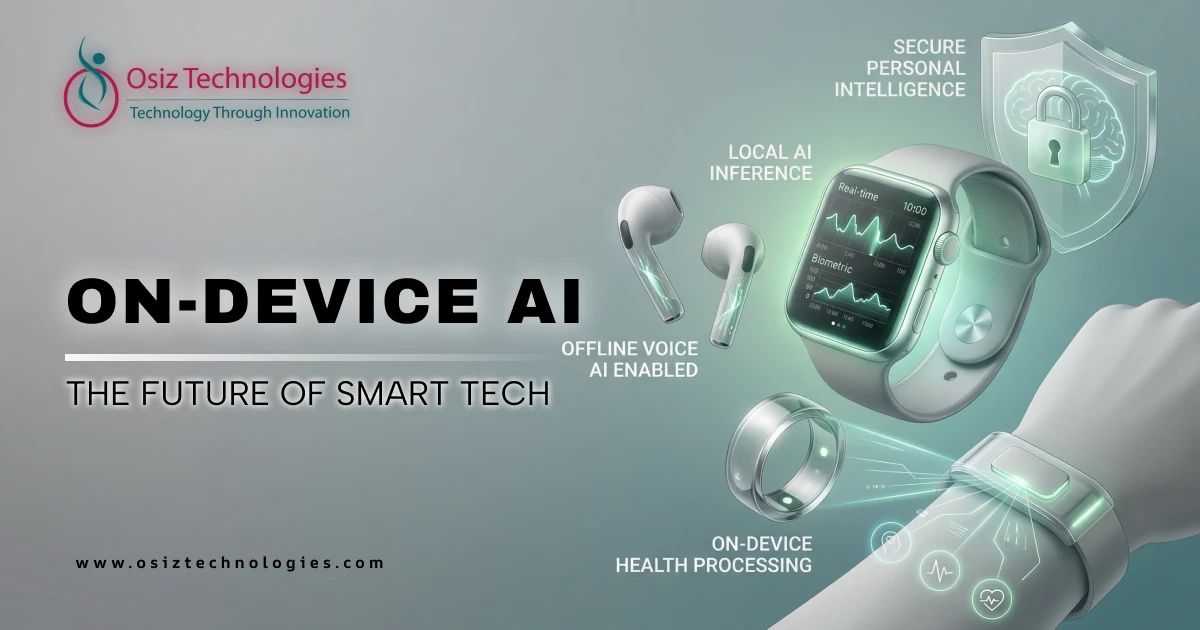
The Internet of Things (IoT) connects devices and allows them to communicate with each other. Smart homes, wearable devices, and connected appliances are examples of this trend.
These technologies are making everyday life more convenient. Tasks that once required manual effort can now be automated and controlled digitally.
As smart technologies continue to develop, they will become even more integrated into daily life.
Digital Transformation in Business and Work

Digital innovation has significantly changed how businesses operate. Companies are adopting digital tools to improve efficiency, reduce costs, and enhance customer experiences.
Automation is a major part of this transformation. Repetitive tasks are now handled by machines, allowing employees to focus on more important work.
Remote work has also become more common. Digital platforms enable teams to collaborate from different locations, making work more flexible.
Cloud computing allows businesses to store and access data easily. This improves productivity and supports global operations.
Digital transformation is helping businesses stay competitive and adapt to changing market demands.
Communication and Global Connectivity
Digital innovation has revolutionized communication. People can now connect with others instantly, regardless of location.
Social media platforms, messaging apps, and video calls have made communication faster and more accessible. This has created a global network where information can be shared instantly.
Digital connectivity also supports collaboration. People from different parts of the world can work together on projects and share ideas.
This level of connectivity has brought cultures closer and created new opportunities for learning and growth.
However, it also requires responsible use to ensure privacy and security.
Impact on Lifestyle and Daily Activities
Digital innovation has changed how people manage their daily lives. From shopping and banking to entertainment and health, technology is involved in almost every activity.
Online services allow people to complete tasks quickly and efficiently. For example, digital payments and online shopping have simplified transactions.
Wearable devices help monitor health and fitness, providing valuable insights into daily activities.
Entertainment has also evolved, with streaming platforms and digital content offering endless options.
While these advancements improve convenience, it is important to maintain a balance and avoid overdependence on technology.
Challenges and Future Opportunities
The rise of digital innovation also brings challenges that need to be addressed. Data privacy and cybersecurity are major concerns as more information is shared online.
Automation may impact certain jobs, requiring individuals to learn new skills and adapt to changing environments.
Ethical considerations are also important. Ensuring that technology is used responsibly and fairly is essential for long-term success.
Despite these challenges, digital innovation offers many opportunities. It can improve efficiency, solve complex problems, and create new possibilities for growth.
The future will see even more advancements, making technology an even greater part of everyday life.