






Why Sports Are Essential for a Healthy Life
In today’s modern lifestyle, where people spend long hours sitting and using digital devices, maintaining good health has become more challenging than ever. This is where sports play a crucial role. Sports are not just activities for entertainment or competition—they are powerful tools for building a healthy and balanced life.
A healthy life is not limited to physical fitness. It includes mental well-being, emotional stability, and overall lifestyle balance. Sports help in achieving all these aspects by encouraging movement, discipline, and positive habits.
Regular participation in sports improves energy levels, reduces stress, and enhances overall quality of life. It creates a routine that supports both physical and mental health.
In addition, sports teach important life values such as discipline, teamwork, and perseverance. These values contribute to personal growth and long-term success.
In this blog, we will explore the importance of sports in building a healthy life, focusing on physical health, mental well-being, lifestyle habits, and long-term benefits.
Physical Health Benefits of Sports

One of the most important benefits of sports is improved physical health. Regular physical activity helps strengthen the body and maintain overall fitness.
Sports improve cardiovascular health by increasing heart rate and improving blood circulation. Activities such as running, cycling, or playing football help reduce the risk of heart diseases.
They also help build muscle strength and improve flexibility. Different sports involve various movements that engage multiple muscle groups, making the body stronger and more active.
Sports are effective in maintaining a healthy weight. Regular activity helps burn calories and prevents obesity, which is a common health issue today.
Another benefit is improved energy levels. People who participate in sports regularly often feel more energetic and active throughout the day.
By improving physical fitness, sports create a strong foundation for a healthy life.
Mental Health and Emotional Balance
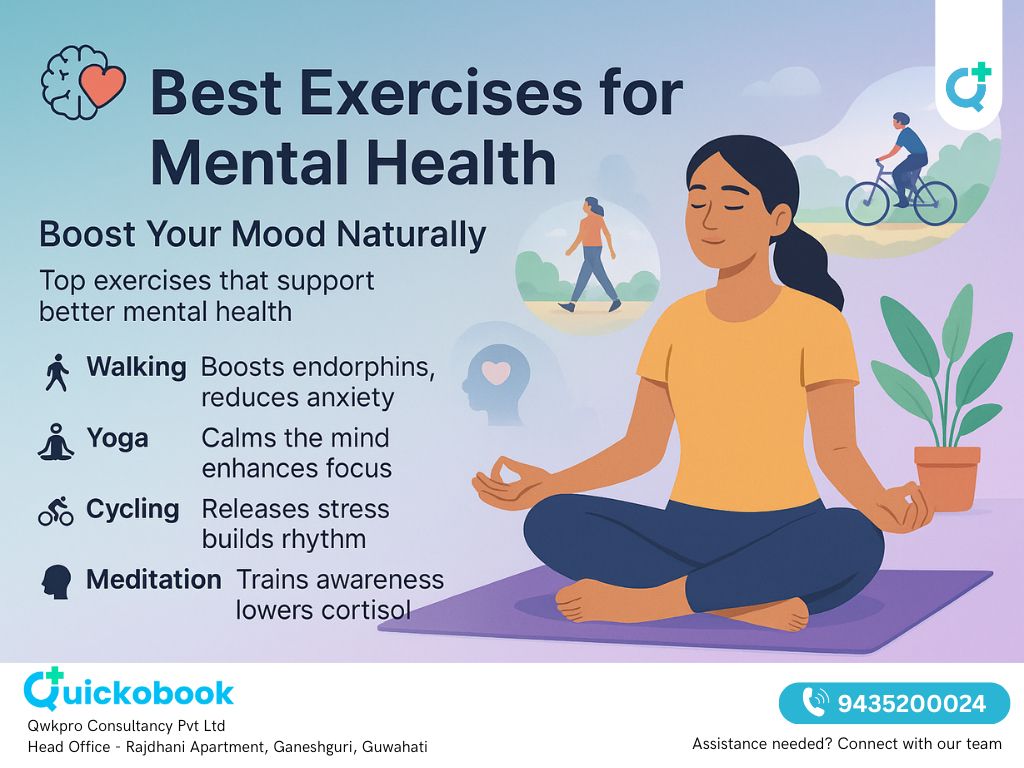
Sports have a strong impact on mental health and emotional well-being. Physical activity helps reduce stress and improves mood.
When you play sports, your body releases endorphins, which are chemicals that create a feeling of happiness. This helps reduce anxiety and depression.
Sports also provide a break from daily stress and responsibilities. Engaging in physical activity allows the mind to relax and focus on the present moment.
They help improve concentration and mental clarity. Regular activity enhances brain function and supports better decision-making.
Sports also build emotional strength. Facing challenges, winning, and losing all contribute to personal growth and resilience.
By supporting mental health, sports help maintain a balanced and positive lifestyle.
Developing Healthy Habits and Lifestyle
Sports encourage the development of healthy habits that support long-term well-being. When individuals engage in sports regularly, they naturally adopt a more active lifestyle.
One of the key habits developed through sports is consistency. Regular practice creates a routine that promotes discipline and time management.
Sports also encourage healthy eating. Individuals who are physically active tend to focus on balanced nutrition to maintain energy and performance.
They help reduce unhealthy habits such as excessive screen time or inactivity. Instead, people spend more time being active and productive.
Sleep quality also improves with regular physical activity. A well-rested body supports better health and performance.
By promoting positive habits, sports contribute to a healthier and more structured lifestyle.
Social Interaction and Personal Growth
Sports are also important for social interaction and personal development. They provide opportunities to connect with others and build meaningful relationships.
Team sports, in particular, teach cooperation and teamwork. Players learn how to communicate, support each other, and work toward a common goal.
Sports also help develop leadership skills. Individuals learn how to take responsibility, make decisions, and guide others.
They improve social confidence by encouraging interaction with different people. This helps individuals become more comfortable in social situations.
Sports also teach important values such as respect, fairness, and discipline. These values contribute to personal growth and character development.
Through social interaction and learning, sports help individuals grow both personally and socially.
Long-Term Benefits of an Active Life
The benefits of sports are not limited to the present—they have a long-term impact on life. Individuals who engage in sports regularly often enjoy better health and quality of life in the future.
Sports help reduce the risk of chronic diseases such as diabetes, heart disease, and obesity. They support overall physical and mental health.
An active lifestyle contributes to longevity. People who stay physically active tend to live longer and healthier lives.
Sports also help maintain mobility and strength as individuals age. This allows them to remain independent and active.
The discipline and habits developed through sports continue to benefit individuals throughout their lives. These habits support personal and professional success.
The long-term impact of sports highlights their importance in building a healthy and fulfilling life.