




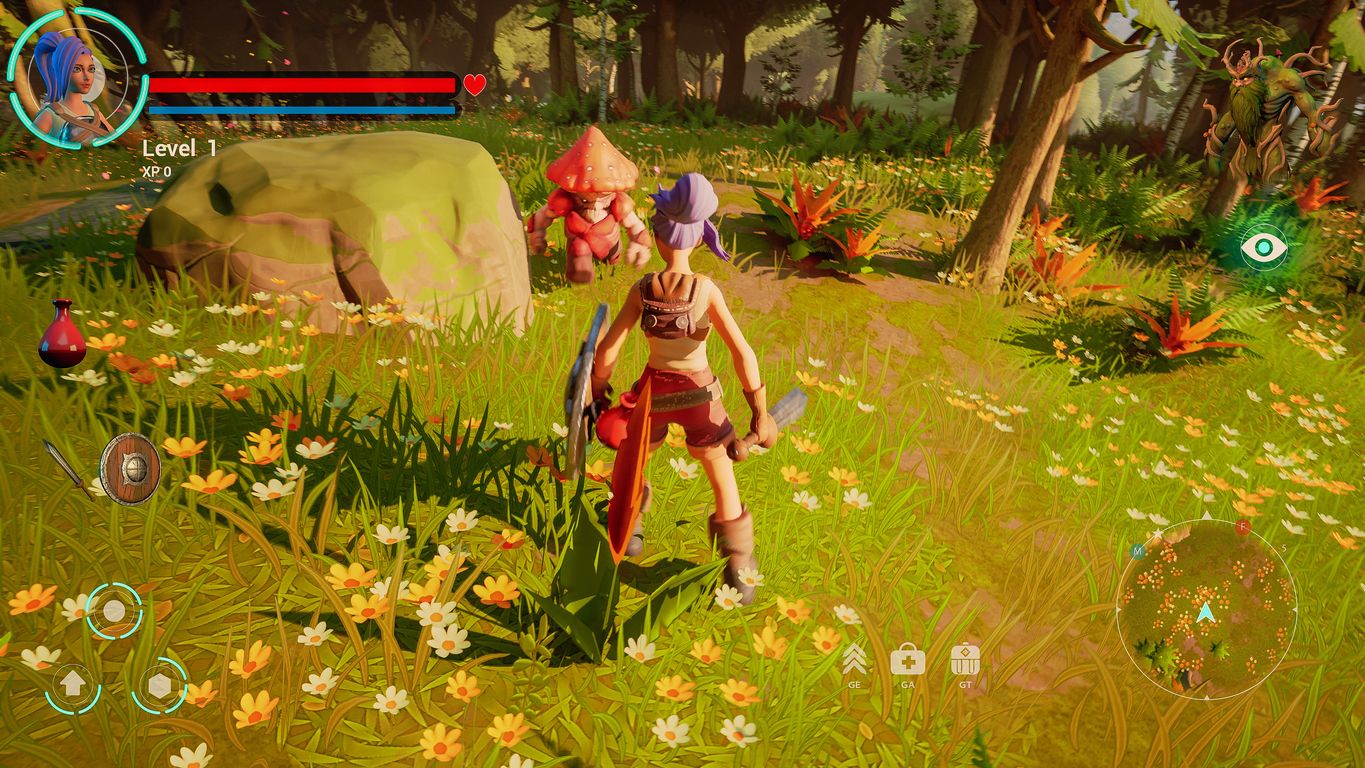
1. Introduction: Gaming Beyond Entertainment
In today’s digital era, gaming has become one of the most popular forms of entertainment across all age groups. From mobile games to advanced console and PC games, millions of people engage in gaming daily. While many view gaming simply as a way to relax and have fun, its impact goes far beyond entertainment. Gaming plays a significant role in developing mental skills and enhancing cognitive abilities.
Over the years, gaming has evolved into a complex and interactive experience. Modern games require players to think critically, make decisions, solve problems, and adapt to changing situations. This makes gaming not only enjoyable but also mentally stimulating.
Despite the common perception that gaming can be distracting or unproductive, research and practical experiences suggest that gaming can have several positive effects when played in moderation. It helps improve focus, memory, and strategic thinking while also providing a source of relaxation and enjoyment.
Gaming also serves as a form of escapism, allowing individuals to take a break from daily stress and immerse themselves in different virtual worlds. This balance between mental engagement and entertainment is what makes gaming unique.
In this blog, we will explore the impact of gaming on mental skills and entertainment, highlighting how it contributes to cognitive development and overall well-being.
2. Enhancing Cognitive and Mental Skills Through Gaming
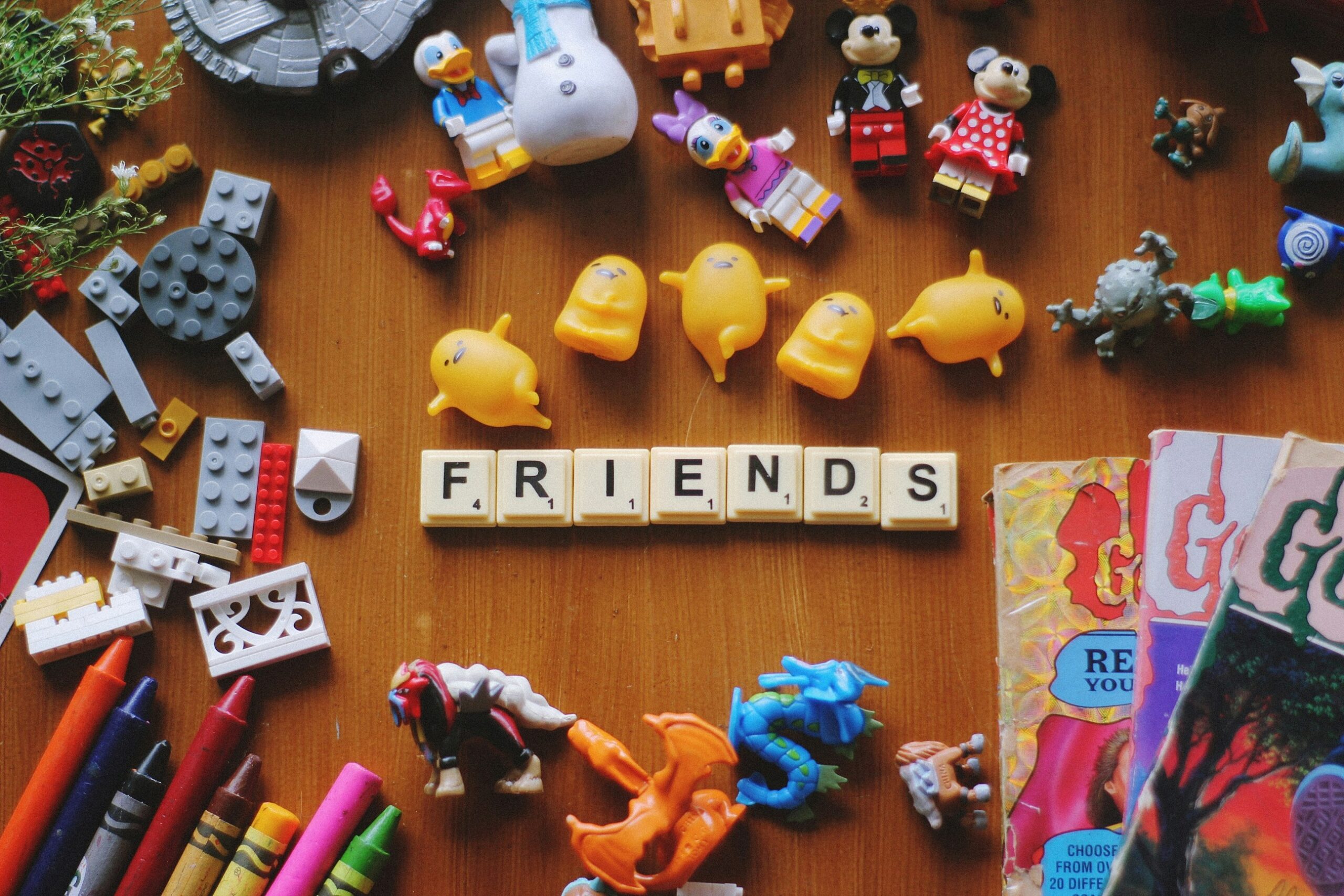
One of the most significant impacts of gaming is the improvement of cognitive and mental skills. Video games challenge the brain in various ways, helping players develop important mental abilities.
Gaming improves memory by requiring players to remember rules, strategies, and game environments. This strengthens both short-term and long-term memory.
Attention and focus are also enhanced through gaming. Players must stay alert and pay attention to details, which improves concentration and mental clarity.
Problem-solving skills are another key benefit. Many games present challenges that require logical thinking and creative solutions. This helps players develop analytical skills.
Gaming also improves hand-eye coordination. Players must coordinate visual input with physical actions, which enhances reaction time and motor skills.
In addition, gaming helps improve multitasking abilities. Players often need to manage multiple tasks simultaneously, such as controlling characters, monitoring the environment, and making decisions.
Strategic thinking is also developed through gaming. Players must plan ahead, manage resources, and adapt to changing situations.
Overall, gaming provides a mental workout that strengthens cognitive skills and improves overall brain function.
3. Gaming as a Source of Entertainment and Relaxation
Gaming is not only beneficial for mental skills but also serves as a powerful source of entertainment and relaxation. In today’s busy world, people often look for ways to unwind and relieve stress, and gaming provides an effective solution.
One of the main reasons gaming is popular is its ability to provide instant enjoyment. Engaging gameplay, immersive graphics, and interactive experiences make gaming highly entertaining.
Gaming also offers a form of escapism. Players can enter different virtual worlds, take on new roles, and experience adventures that are not possible in real life. This helps them temporarily forget about stress and worries.
In addition, gaming can improve mood. Playing games triggers the release of dopamine, a chemical associated with pleasure and reward. This creates a sense of satisfaction and happiness.
Gaming can also be a social activity. Multiplayer games allow players to connect with friends and other players, creating opportunities for interaction and collaboration.
Casual games, in particular, provide relaxation without requiring intense effort. They are a great way to take a break and refresh the mind.
However, it is important to maintain a balance. While gaming provides entertainment and relaxation, excessive gaming can lead to negative effects. Moderation is key to enjoying the benefits of gaming.
4. Developing Focus, Decision-Making, and Emotional Control
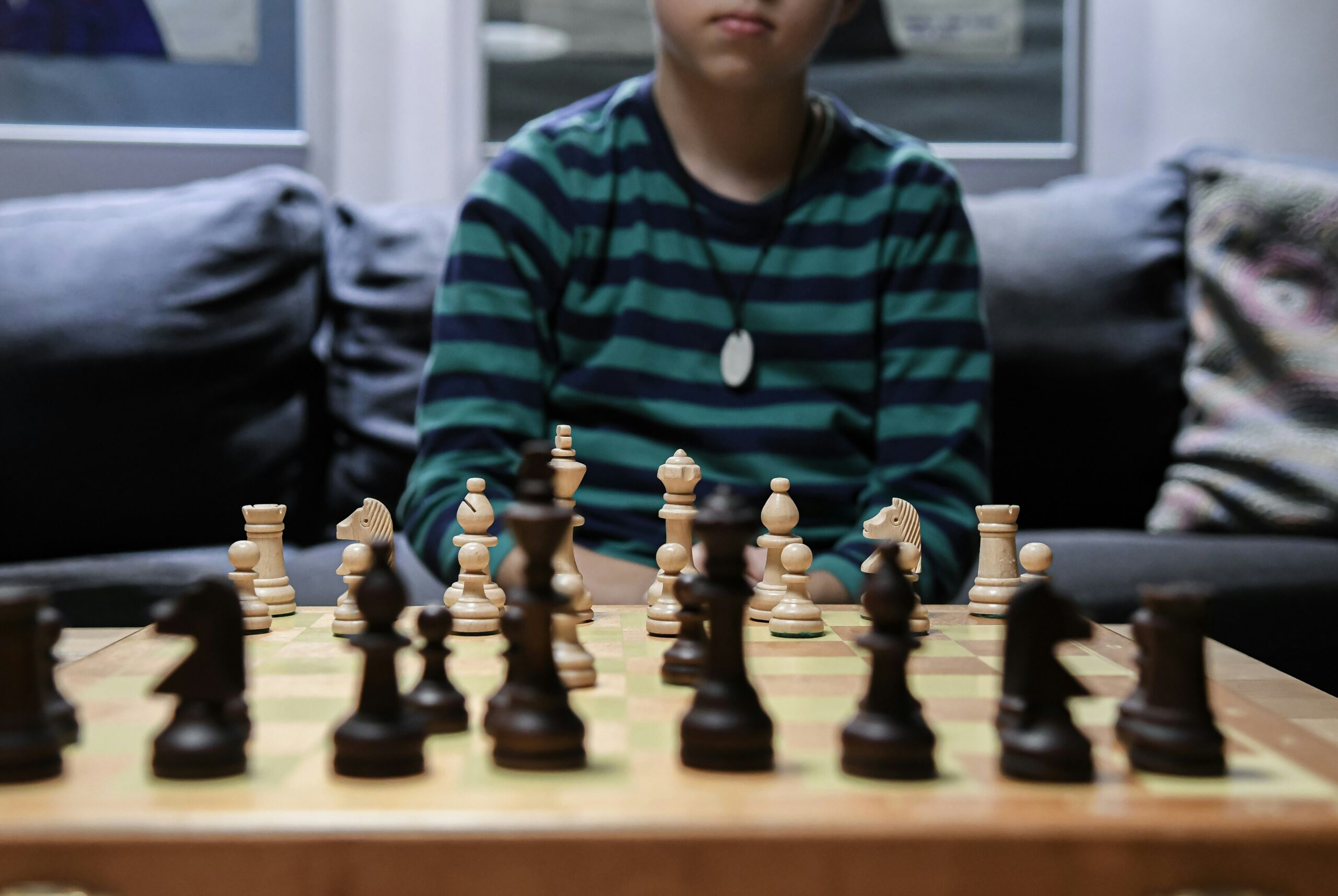
Gaming plays a crucial role in developing important mental skills such as focus, decision-making, and emotional control. These skills are essential for success in everyday life.
Focus is enhanced through gaming as players must stay attentive and respond quickly to changing situations. This improves their ability to concentrate on tasks.
Decision-making is another key skill developed through gaming. Players often need to make quick decisions that affect the outcome of the game. This helps improve their ability to think critically and act confidently.
Gaming also teaches players how to handle consequences. Every decision has an outcome, and players learn to adapt based on results. This helps in developing better judgment.
Emotional control is another important benefit. Gaming involves both success and failure, and players learn to manage their emotions effectively. They develop patience and resilience.
Competitive games, in particular, teach players how to handle pressure. Staying calm and focused in high-pressure situations helps build mental strength.
Gaming also encourages perseverance. Players often face difficult challenges that require repeated attempts, which builds determination and persistence.
In summary, gaming helps individuals develop essential mental skills that are useful in both personal and professional life.
5. Long-Term Effects of Gaming on Personal Growth
The impact of gaming extends beyond immediate mental benefits. It has long-term effects on personal growth and development.
Gaming helps individuals develop a growth mindset. Players learn that improvement comes through practice and effort, which encourages continuous learning.
In addition, gaming can inspire creativity and innovation. Many players develop an interest in areas such as game design, programming, and digital art.
Gaming also contributes to social development. Interacting with other players helps improve communication and teamwork skills.
Time management is another important skill developed through gaming. Balancing gaming with other responsibilities helps individuals create a structured routine.
Gaming can also boost confidence. Achieving goals and improving skills create a sense of accomplishment, which enhances self-esteem.
However, it is important to maintain a healthy balance. Excessive gaming can have negative effects, so it is essential to manage time effectively.
When used wisely, gaming can be a powerful tool for personal growth, helping individuals develop important skills and achieve their goals.