




Entering the Age of Smart Innovation
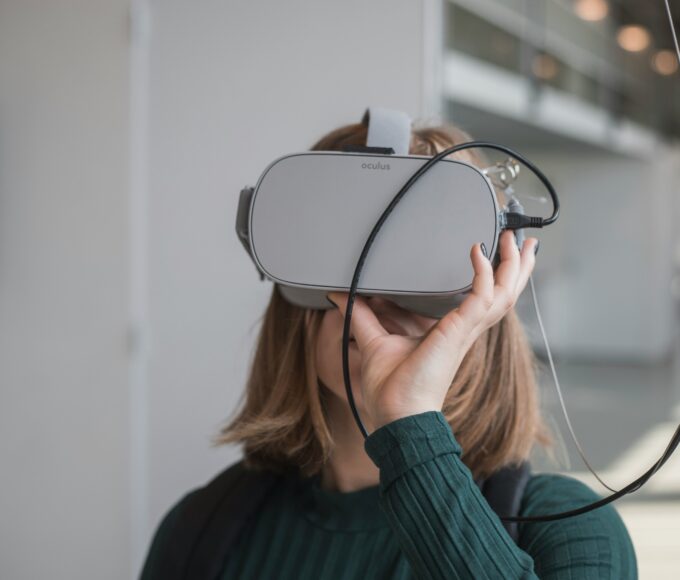
The world is experiencing a powerful transformation driven by digital innovation. This transformation, often called the digital revolution, is changing how we live, work, and interact with technology. From smartphones to smart homes, modern advancements are making life faster, easier, and more connected.
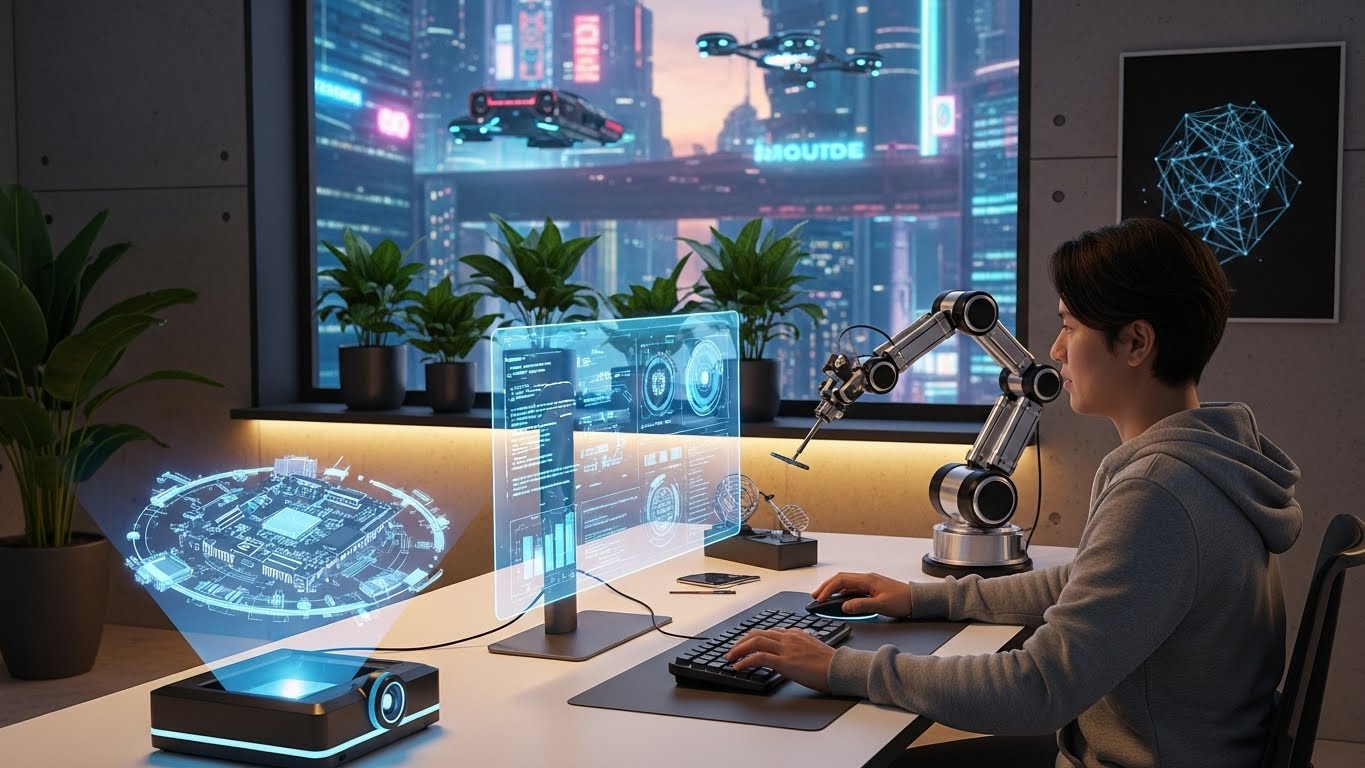
Smart technology is at the center of this revolution. It includes systems and devices that can learn, adapt, and perform tasks automatically. These technologies are not only improving efficiency but also creating new opportunities across industries.
The digital revolution is not limited to businesses or professionals—it affects everyone. Whether it is communication, education, healthcare, or entertainment, technology is becoming an essential part of everyday life.
Understanding this transformation is important because it helps us adapt to change and use technology effectively. In this blog, we will explore how smart technology is redefining the future and shaping a new digital world.
The Rise of Artificial Intelligence and Automation
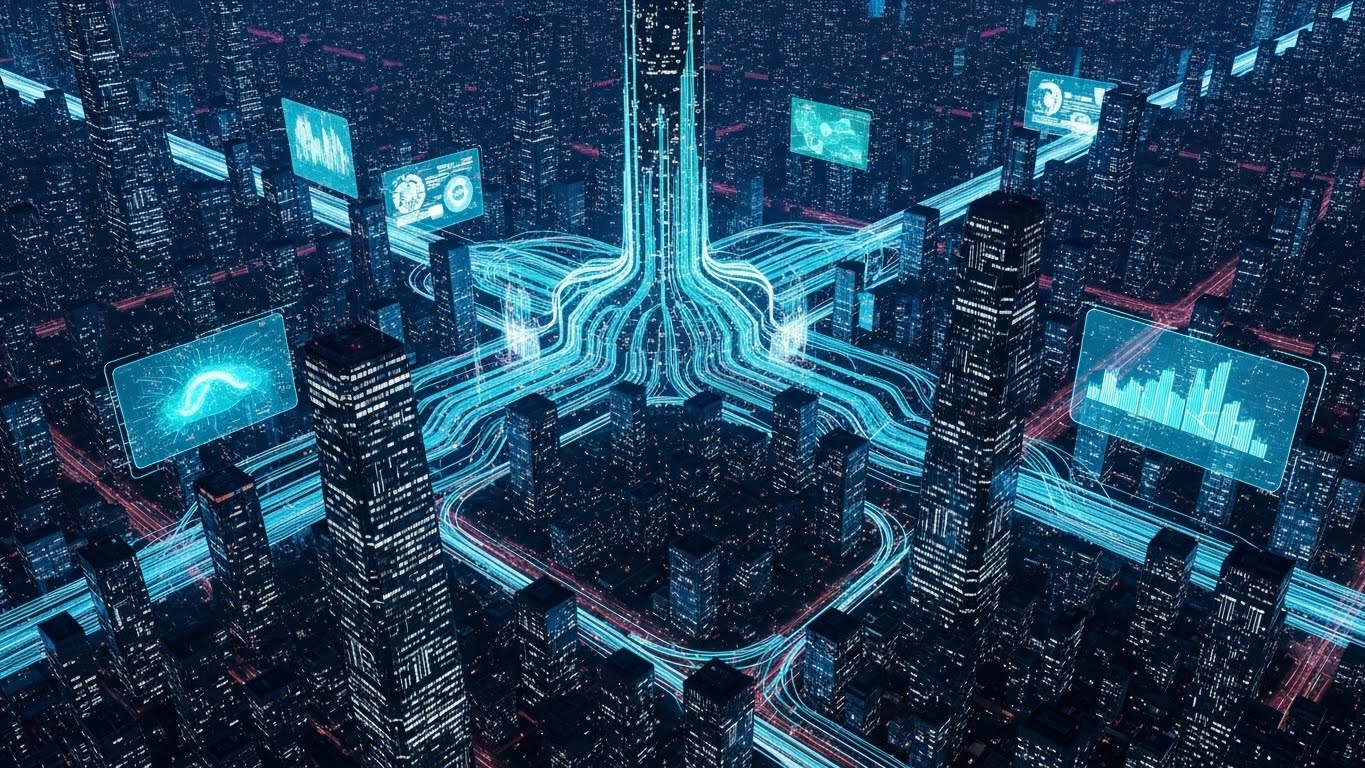
Artificial Intelligence (AI) is one of the most powerful forces behind the digital revolution. It allows machines to perform tasks that usually require human intelligence, such as learning, analyzing data, and making decisions.
AI is already used in many everyday applications, including voice assistants, recommendation systems, and automated services. These tools make daily tasks easier and more efficient.
Automation, powered by AI, is transforming industries by reducing manual work and increasing productivity. Businesses can complete tasks faster and with fewer errors.
In healthcare, AI helps doctors analyze data and detect diseases early. In business, it supports decision-making and improves operations.
As AI continues to develop, it will play an even bigger role in shaping the future.
Smart Devices and Connected Living
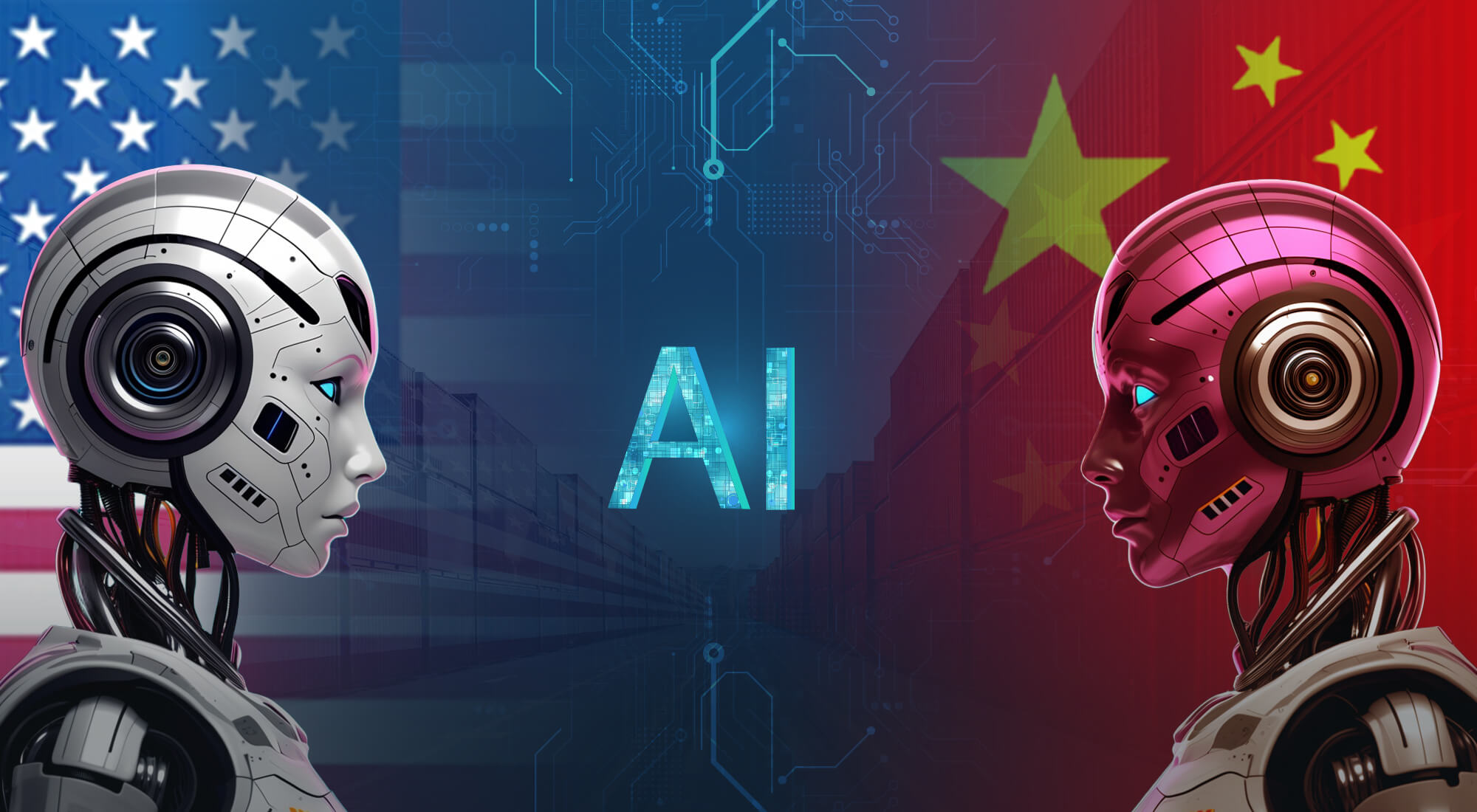
Smart technology is making everyday life more convenient through connected devices. The Internet of Things (IoT) allows devices to communicate and work together.
Smart homes are a common example. Devices like lights, thermostats, and security systems can be controlled remotely, making homes more efficient and secure.
Wearable devices such as smartwatches track health and fitness, helping individuals monitor their daily activities.
Connected living also improves energy efficiency. Smart systems can adjust settings automatically, reducing waste and saving resources.
As more devices become connected, daily life will become more seamless and automated.
Digital Transformation in Work and Business
The digital revolution is changing how businesses operate. Companies are adopting digital tools to improve efficiency and stay competitive.
Remote work has become more common due to digital platforms. Employees can collaborate from different locations using online tools.
Cloud computing allows businesses to store and access data easily. This improves productivity and supports global operations.
Automation helps reduce repetitive tasks, allowing employees to focus on more important work.
Digital transformation is making businesses faster, smarter, and more adaptable.
Impact on Daily Life and Lifestyle
Smart technology is deeply integrated into daily life. From communication to shopping, technology is involved in almost every activity.
Digital platforms allow people to connect instantly, access information, and complete tasks quickly. Online services make life more convenient.
Health and fitness have also improved with technology. Wearable devices and apps help individuals track their progress and maintain a healthy lifestyle.
Entertainment has become more interactive, with streaming services and digital content offering endless options.
While technology improves convenience, it is important to maintain balance and avoid overdependence.
Challenges and the Future of Smart Technology
The digital revolution also brings challenges that need to be addressed. Data privacy and cybersecurity are major concerns as more information is shared online.
Automation may impact certain jobs, requiring individuals to learn new skills and adapt to new roles.
Ethical considerations are important in the development of smart technology. Ensuring fairness and transparency is essential.
Despite these challenges, the future of smart technology is full of opportunities. It has the potential to solve complex problems and improve quality of life.
Innovation will continue to drive progress, creating a smarter and more connected world.
Conclusion
The digital revolution is transforming the world through smart technology. From artificial intelligence and connected devices to digital workplaces and modern lifestyles, technology is shaping the future in powerful ways.
These advancements are making life more efficient, convenient, and connected. However, they also require responsible use and careful management.
Adapting to these changes is essential for individuals and businesses. By embracing innovation, we can take advantage of the opportunities it offers.
The future is digital, and smart technology will continue to redefine how we live and interact with the world.