





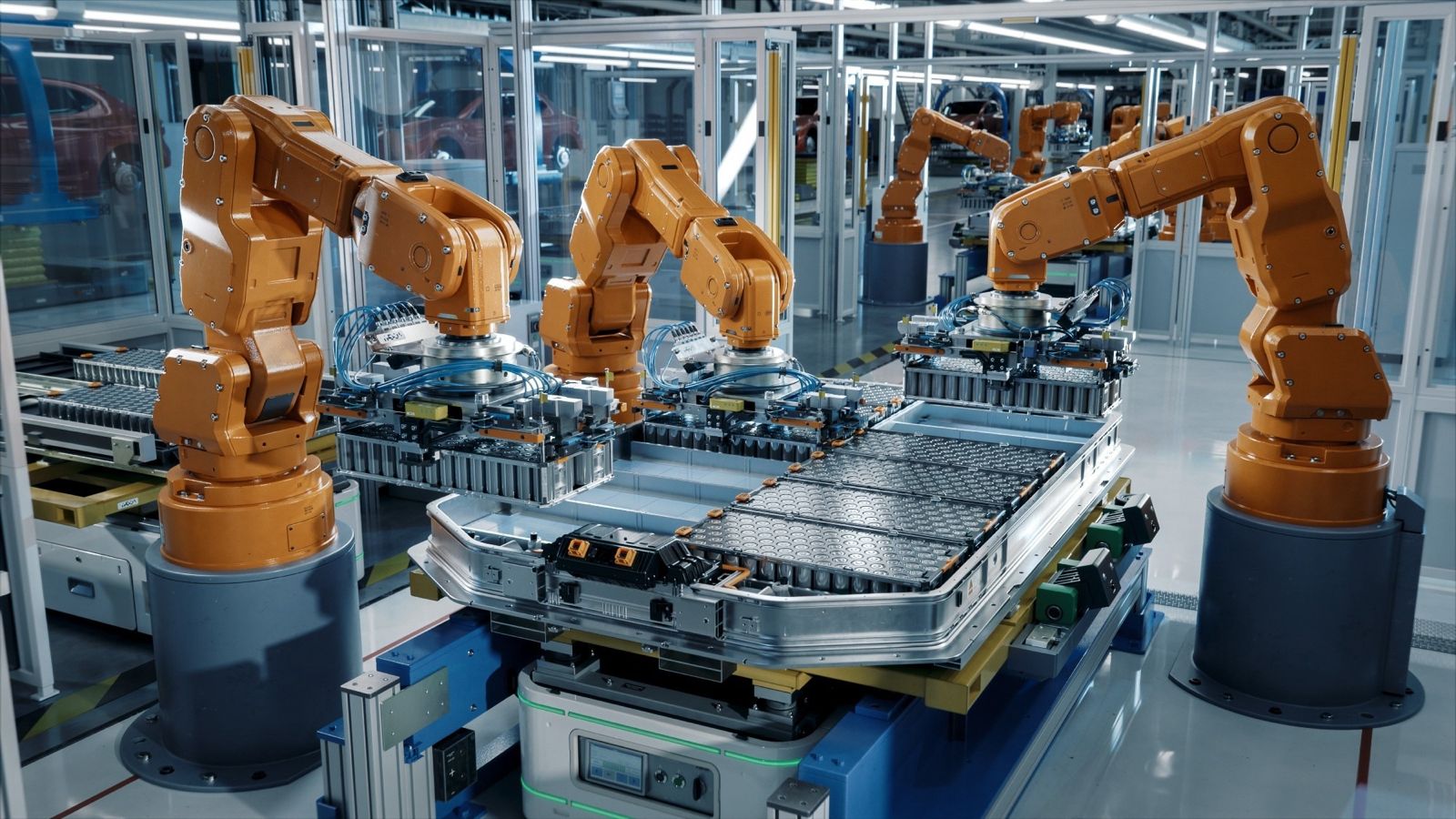
Entering a New Technological Era
Technology is advancing at an unprecedented pace, transforming every aspect of human life. From how we communicate to how we work and solve problems, innovation is shaping a future that is more connected, efficient, and intelligent. What once seemed like science fiction is now becoming reality.
These advancements are not limited to a single field. They are influencing healthcare, education, business, transportation, and daily living. As technology evolves, it brings both opportunities and challenges that require understanding and adaptation.
The future is being built through continuous innovation. New technologies are designed to improve productivity, enhance experiences, and solve complex global issues.
In this blog, we will explore the key technology advancements that are shaping the future and how they are impacting the world around us.
Artificial Intelligence and Smart Automation
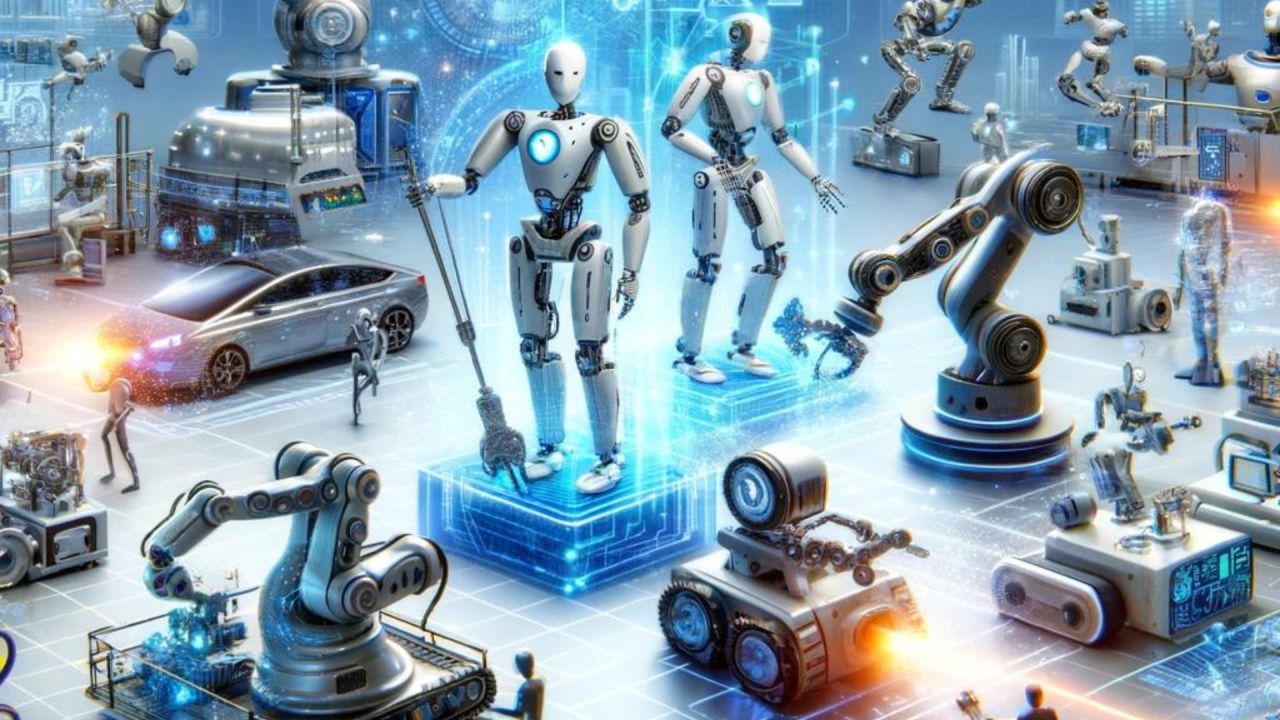
Artificial Intelligence (AI) is one of the most powerful advancements shaping the future. It enables machines to perform tasks that require human intelligence, such as learning, reasoning, and decision-making.
AI is widely used in applications like virtual assistants, recommendation systems, and automated services. These tools make everyday tasks faster and more efficient.
Automation, powered by AI, is transforming industries by handling repetitive tasks. This increases productivity and reduces human effort.
In fields like healthcare, AI helps in diagnosing diseases and analyzing medical data. In business, it supports decision-making and improves operations.
As AI continues to evolve, it will play an even bigger role in shaping the future of work and daily life.
Internet of Things (IoT) and Smart Connectivity
The Internet of Things (IoT) is connecting devices and creating a smarter world. It allows everyday objects to communicate and share data through the internet.
Smart homes are a common example of IoT. Devices such as lights, thermostats, and security systems can be controlled remotely, improving convenience and efficiency.
IoT is also used in smart cities, where it helps manage traffic, energy usage, and public services. This leads to more efficient and sustainable urban environments.
Wearable devices such as fitness trackers monitor health and provide real-time data, helping individuals make better lifestyle choices.
The growth of IoT is creating a connected ecosystem where devices work together seamlessly.
Cloud Computing and Data Revolution
Cloud computing is changing how data is stored, accessed, and managed. Instead of relying on physical storage, data is stored on remote servers and accessed through the internet.
This advancement allows businesses to operate more efficiently. They can store large amounts of data, collaborate in real time, and scale operations easily.
Big data and analytics are also transforming decision-making. Organizations can analyze large datasets to gain insights and improve strategies.
For individuals, cloud services provide convenience. Files, photos, and applications can be accessed from anywhere.
The data revolution is making information more accessible and useful, driving innovation across industries.
Virtual Reality and Immersive Technologies
Virtual Reality (VR) and Augmented Reality (AR) are creating immersive experiences that are changing how people interact with digital content.
VR allows users to enter a fully digital environment, while AR overlays digital elements onto the real world. These technologies are used in gaming, education, training, and more.
In education, immersive technologies help students learn through interactive experiences. In training, they provide realistic simulations.
These advancements enhance engagement and make learning and entertainment more effective.
As VR and AR continue to develop, they will become more common in everyday life.
Challenges and Opportunities in the Future
While technology advancements offer many benefits, they also bring challenges. Data privacy and cybersecurity are major concerns as more information is stored and shared online.
Automation may impact employment, requiring individuals to develop new skills and adapt to changing job roles.
Ethical considerations are also important. Ensuring fairness, transparency, and responsible use of technology is essential.
Despite these challenges, technology provides significant opportunities. It can improve quality of life, solve global problems, and create new industries.
The future will require a balance between innovation and responsibility to ensure positive outcomes.