

1. Understanding the Importance of a Versatile Wardrobe
Building a wardrobe that works for every occasion is one of the smartest approaches to fashion. Instead of owning many clothes that only suit specific situations, a versatile wardrobe focuses on clothing pieces that can easily adapt to different environments, such as work, casual outings, social events, or travel.
A versatile wardrobe simplifies everyday dressing. When most clothing items can be mixed and matched with others, creating outfits becomes easier and faster. This reduces the stress of deciding what to wear while ensuring you always look stylish.
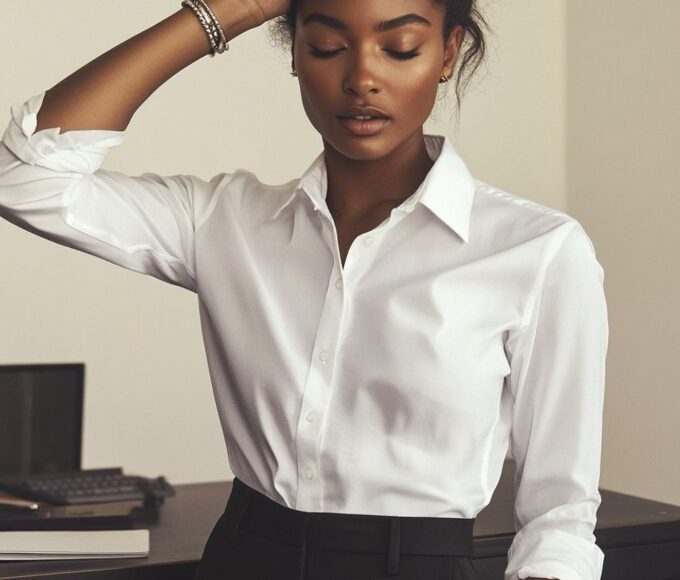
Another major advantage of a versatile wardrobe is practicality. Instead of buying separate clothes for every occasion, you can create multiple outfit combinations using the same essential pieces. For example, a classic white shirt can be worn casually with jeans or dressed up with trousers and a blazer.
Financial savings also come with this approach. Investing in high-quality, versatile clothing reduces the need to constantly purchase new items. Over time, this helps maintain a stylish wardrobe without excessive spending.
A versatile wardrobe also supports sustainable fashion practices. Fast fashion encourages constant consumption, which leads to environmental waste. Choosing timeless pieces that can be worn in many ways reduces this impact.
Ultimately, the goal of building a wardrobe for every occasion is balance. With the right clothing essentials, you can move effortlessly from casual situations to formal events while maintaining a consistent and confident style.
2. Choosing Timeless Clothing Essentials
A strong wardrobe foundation begins with timeless clothing pieces that never go out of fashion. These essential items can be styled in different ways and remain suitable for a variety of occasions.
The classic white shirt is one of the most versatile wardrobe staples. Its clean and simple design makes it suitable for both professional and casual settings. Pairing it with trousers creates a formal look, while wearing it with denim jeans creates a relaxed yet stylish outfit.
Denim jeans are another essential clothing item. They offer comfort, durability, and flexibility in styling. Straight or slim-fit jeans often remain fashionable longer than extreme trend-driven designs.
Neutral trousers are also important for a versatile wardrobe. Colors like black, navy, gray, and beige can easily be combined with shirts, sweaters, and jackets.
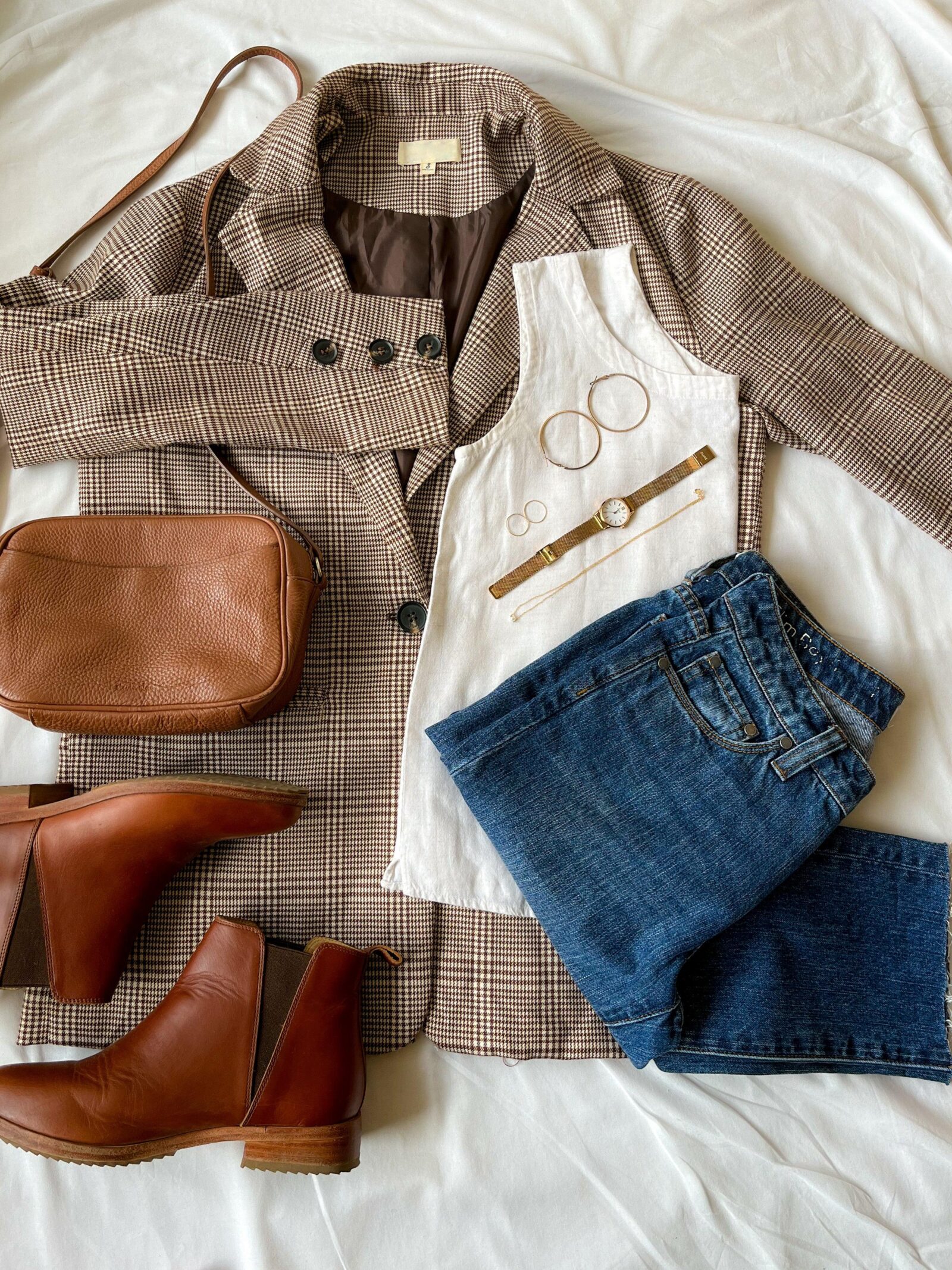
A structured blazer is another valuable wardrobe piece. Blazers instantly elevate simple outfits and create a polished appearance. They can also be worn with jeans for a modern smart-casual look.
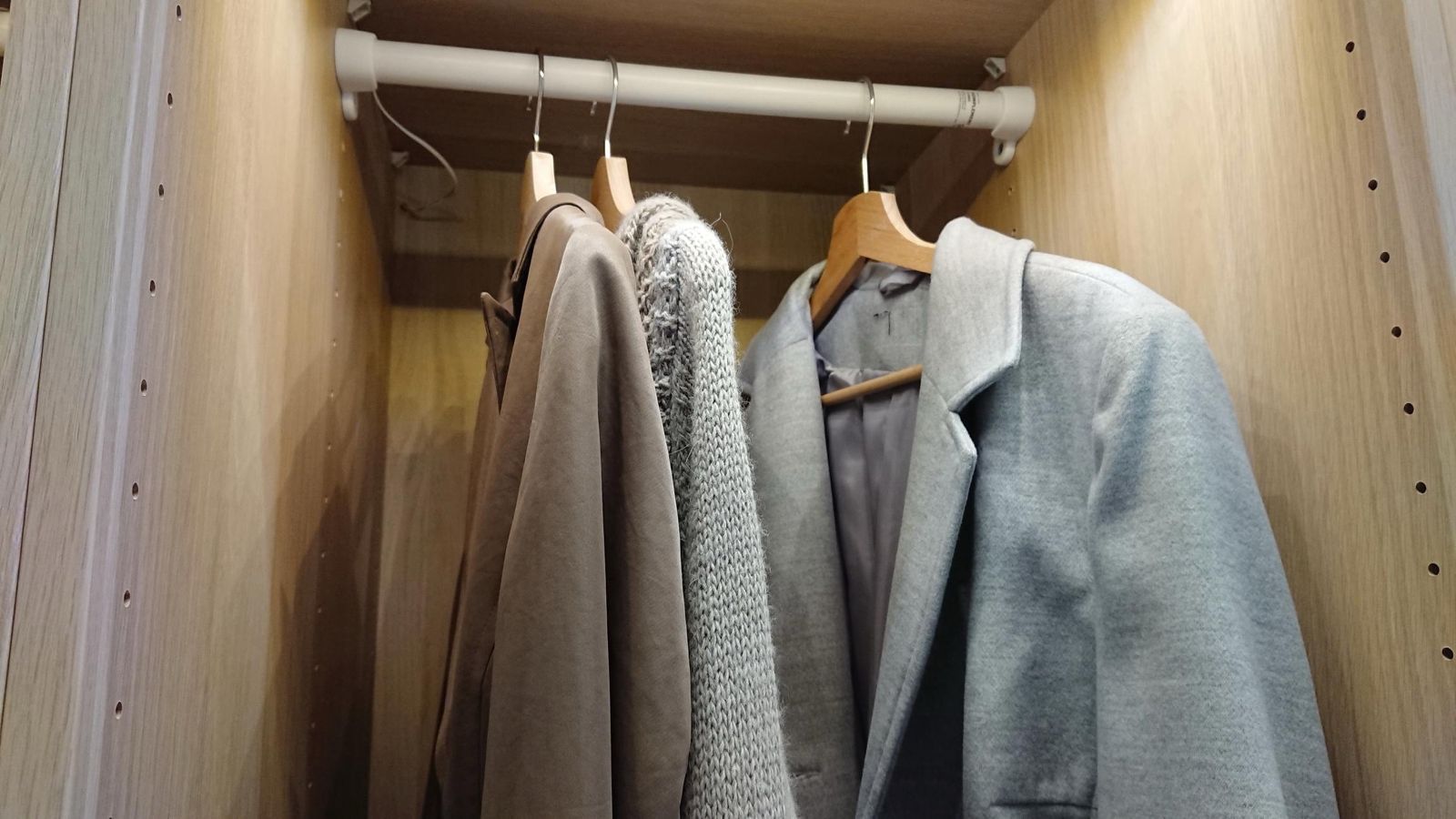
Outerwear such as trench coats or classic jackets provides both functionality and elegance. These items protect against weather while enhancing overall style.
Basic t-shirts and sweaters are also useful for layering. Neutral shades ensure they match with most wardrobe pieces.
Footwear should follow the same principle of versatility. White sneakers work well for casual outfits, while leather shoes or loafers provide a more formal option.
Choosing timeless clothing essentials ensures that your wardrobe remains stylish and adaptable for many years.
3. Creating a Balanced Color Palette
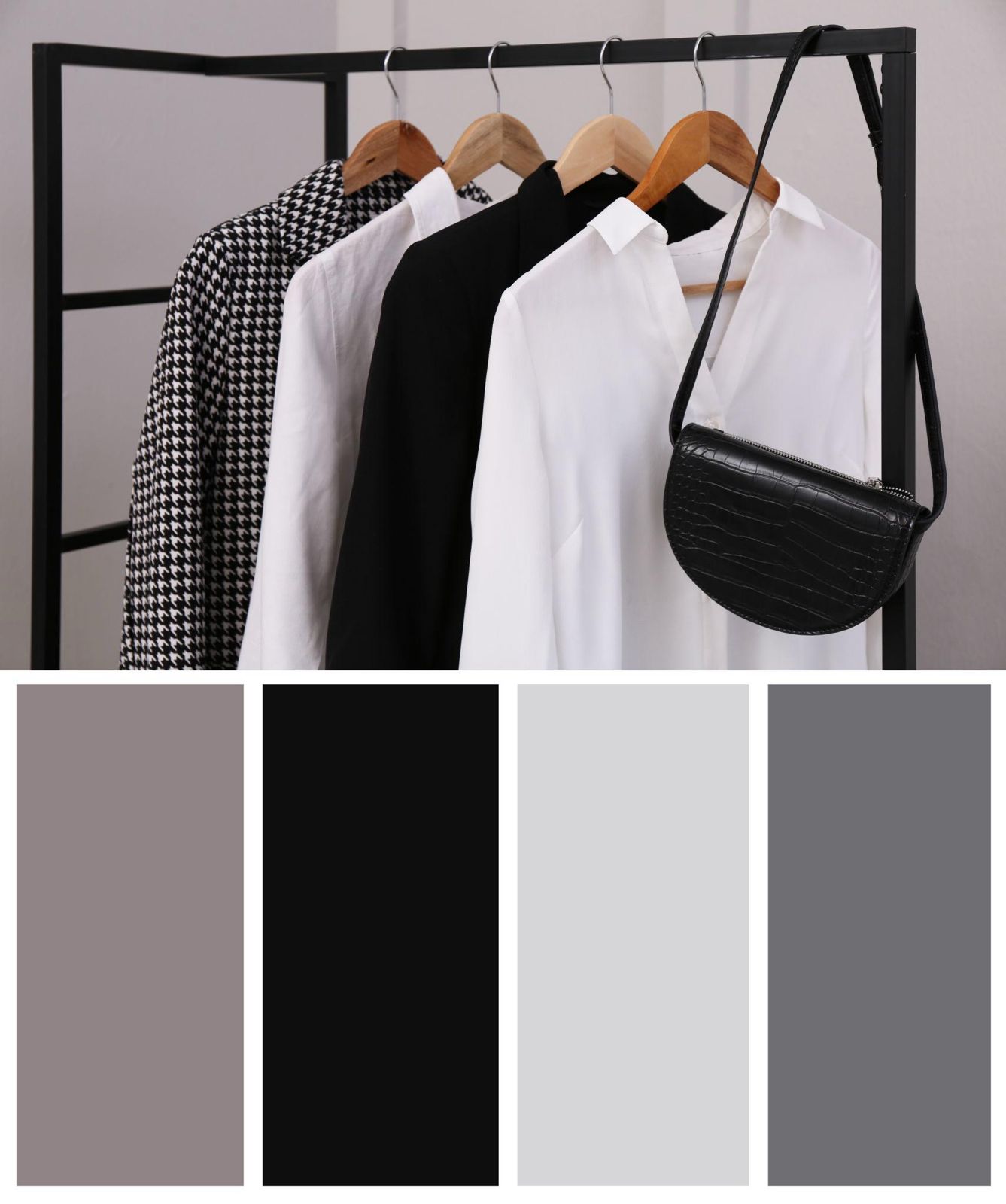
A consistent color palette plays an important role in building a wardrobe that works for many occasions. When your clothing colors complement each other, creating outfits becomes much simpler.
Neutral colors form the base of a versatile wardrobe. Shades such as black, white, navy, gray, and beige are timeless and easy to combine with other colors.
For example, black trousers can be paired with a white shirt, gray sweater, or navy blazer. Because neutral colors work well together, they allow for effortless outfit combinations.
After establishing a neutral foundation, adding a few accent colors can introduce personality to your wardrobe. Accent colors such as olive green, burgundy, or soft blue can enhance outfits without overwhelming them.
Patterns should also be chosen carefully. Simple patterns like stripes, subtle checks, or small prints tend to remain stylish longer than bold designs.
Maintaining a consistent color palette also simplifies shopping decisions. When you know which colors dominate your wardrobe, it becomes easier to select new clothing that matches your existing items.
This approach ensures that each clothing piece contributes to multiple outfit combinations, increasing the versatility of your wardrobe.
4. Smart Shopping Strategies for Long-Term Style
Creating a wardrobe that works for every occasion requires thoughtful shopping habits. Instead of buying clothes impulsively, it is important to focus on items that provide long-term value.
One effective strategy is prioritizing quality over quantity. High-quality clothing tends to last longer and maintain its appearance even after frequent use.
Before purchasing new clothing, consider how often you will realistically wear it. Items that can be worn frequently are more valuable than clothing meant for rare occasions.
The “three-outfit rule” is also helpful. Before buying something new, imagine at least three different outfits you can create using clothing you already own. If you cannot create several combinations, the item may not be versatile enough.
Shopping during seasonal sales can also help you purchase high-quality clothing at more affordable prices. Classic items such as coats, sweaters, and shoes often become discounted during off-season periods.
Avoid purchasing items solely because they are trendy. Trend-based clothing may quickly lose popularity, while timeless pieces remain stylish for many years.
By practicing smart shopping habits, you can gradually build a wardrobe that works for many occasions without unnecessary spending.
5. Styling Your Wardrobe for Different Occasions
Once you have built a versatile wardrobe, learning how to style it for different occasions becomes important. The same clothing pieces can often be styled in multiple ways depending on the situation.
For casual outings, pairing jeans with a simple t-shirt and sneakers creates a relaxed and comfortable look.
For professional settings, replacing the t-shirt with a button-down shirt and adding a blazer instantly creates a more polished outfit.
Layering is another effective styling technique. Adding sweaters, jackets, or coats allows outfits to adapt to different seasons and environments.
Accessories can also transform an outfit. Watches, belts, scarves, or handbags can add personality while maintaining balance.
Footwear also influences the overall style of an outfit. Sneakers create a casual look, while leather shoes or boots make the outfit appear more formal.
Confidence is another key factor. Wearing clothing that fits well and suits your lifestyle naturally improves how you carry yourself.
By combining timeless clothing pieces with thoughtful styling, you can create outfits suitable for almost any occasion. A versatile wardrobe ultimately simplifies fashion while ensuring you always look stylish and prepared for whatever the day brings.