



Sports are often seen as a way to stay fit and entertained, but their impact goes far beyond physical activity. They play a powerful role in shaping personality, building character, and developing essential life skills. Among these skills, teamwork and leadership stand out as two of the most valuable qualities that sports help to develop.
In today’s competitive and fast-paced world, the ability to work effectively with others and lead with confidence is crucial. Sports provide a natural environment where individuals learn these skills through real experiences rather than theoretical lessons. Whether on a playground or in a professional arena, sports teach people how to collaborate, communicate, and take responsibility.
Teamwork in sports is not just about playing together; it is about understanding roles, supporting others, and working toward a common goal. Leadership, on the other hand, involves guiding a team, making decisions, and motivating others to perform their best.
The lessons learned through sports are applicable in all areas of life, including education, career, and personal relationships. By participating in sports, individuals gain practical experience in handling challenges, managing conflicts, and achieving success as part of a team.
This blog explores the power of sports in building teamwork and leadership, highlighting how these qualities are developed and why they are important for success in life.
Understanding Teamwork Through Sports

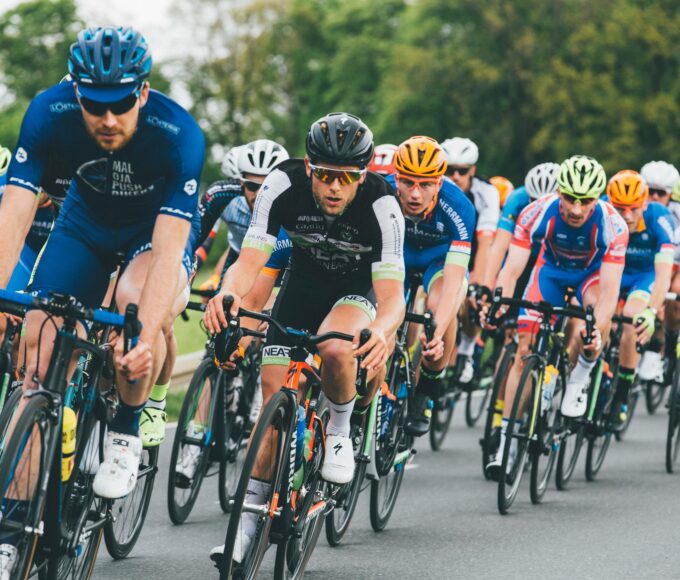
Teamwork is one of the most important lessons that sports teach. In any team sport, success depends on the collective effort of all players rather than individual performance alone.
Each player has a specific role and responsibility. Understanding and performing these roles effectively is essential for the team’s success. This teaches individuals the importance of cooperation and coordination.
Communication is a key aspect of teamwork. Players must communicate clearly and effectively to execute strategies and respond to changing situations. This improves both verbal and non-verbal communication skills.
Sports also teach the importance of trust. Team members must rely on each other and believe in their abilities. This trust strengthens relationships and creates a supportive environment.
Handling conflicts is another important aspect of teamwork. Differences in opinions or mistakes can lead to disagreements, but sports teach individuals how to resolve conflicts and maintain harmony within the team.
By participating in sports, individuals learn that success is not achieved alone but through collaboration and mutual support.
Developing Leadership Skills on the Field
Sports provide an excellent platform for developing leadership skills. Leaders in sports are responsible for guiding the team, making decisions, and setting an example for others.
A leader in sports must be confident and decisive. During a game, quick decisions are often required, and leaders must act with clarity and confidence.
Leadership also involves motivating others. A good leader encourages teammates, boosts morale, and helps them perform at their best, especially during challenging situations.
Responsibility is a key aspect of leadership. Leaders must take accountability for their actions and the performance of the team. This builds a sense of ownership and commitment.
Leading by example is one of the most effective ways to inspire others. Athletes who demonstrate discipline, hard work, and dedication set a standard for their teammates to follow.
Sports also teach adaptability in leadership. Different situations require different approaches, and leaders must adjust their strategies accordingly.
Through these experiences, individuals develop leadership qualities that can be applied in various aspects of life.
The Role of Discipline and Responsibility
Discipline and responsibility are essential for both teamwork and leadership. Sports naturally create an environment where these qualities are developed.
Athletes must follow rules, maintain schedules, and commit to regular practice. This helps build discipline and time management skills.
Responsibility in sports extends beyond individual performance. Players are accountable for their actions and their impact on the team. This teaches the importance of being reliable and dependable.
Discipline also helps individuals stay focused on their goals. It requires consistent effort, even when faced with challenges or setbacks.
In leadership roles, discipline ensures that decisions are made thoughtfully and actions are carried out effectively. Responsible leaders consider the needs of the team and work toward achieving common objectives.
The combination of discipline and responsibility creates a strong foundation for success in both sports and life.
Real-Life Benefits of Teamwork and Leadership
The skills learned through sports have a lasting impact on real life. Teamwork and leadership are essential in many areas, including education, career, and personal relationships.
In the workplace, teamwork is crucial for achieving organizational goals. Employees must collaborate, share ideas, and support each other to succeed.
Leadership skills are also highly valued in professional environments. Individuals who can guide teams, make decisions, and handle challenges are more likely to achieve success.
Sports also help in building confidence. Individuals who have experience working in teams and leading others are more confident in their abilities.
The ability to handle pressure and manage conflicts is another important benefit. Sports teach individuals how to stay calm and find solutions in difficult situations.
In personal life, teamwork and leadership contribute to better relationships. Understanding others, communicating effectively, and taking responsibility help build strong connections.
These real-life benefits highlight the importance of sports in personal and professional development.