






Technology is evolving at a rapid pace, transforming the way we live, work, and interact with the world. Among the most significant developments in recent years is the rise of smart technology. This includes systems and devices that are intelligent, connected, and capable of making decisions with minimal human intervention.
Smart technology is not limited to advanced machines or complex systems. It is now a part of everyday life, from smartphones and smart homes to digital assistants and automated services. These technologies are designed to simplify tasks, improve efficiency, and enhance user experiences.
The digital world is becoming more interconnected, and smart technology is at the center of this transformation. It enables seamless communication between devices, systems, and people. This level of connectivity is changing industries and creating new opportunities.
Understanding the trends shaping smart technology is important for both individuals and businesses. It helps us stay prepared for future changes and take advantage of new possibilities.
In this blog, we will explore the key smart technology trends that are shaping the digital world and how they are influencing different aspects of life.
Artificial Intelligence and Machine Learning
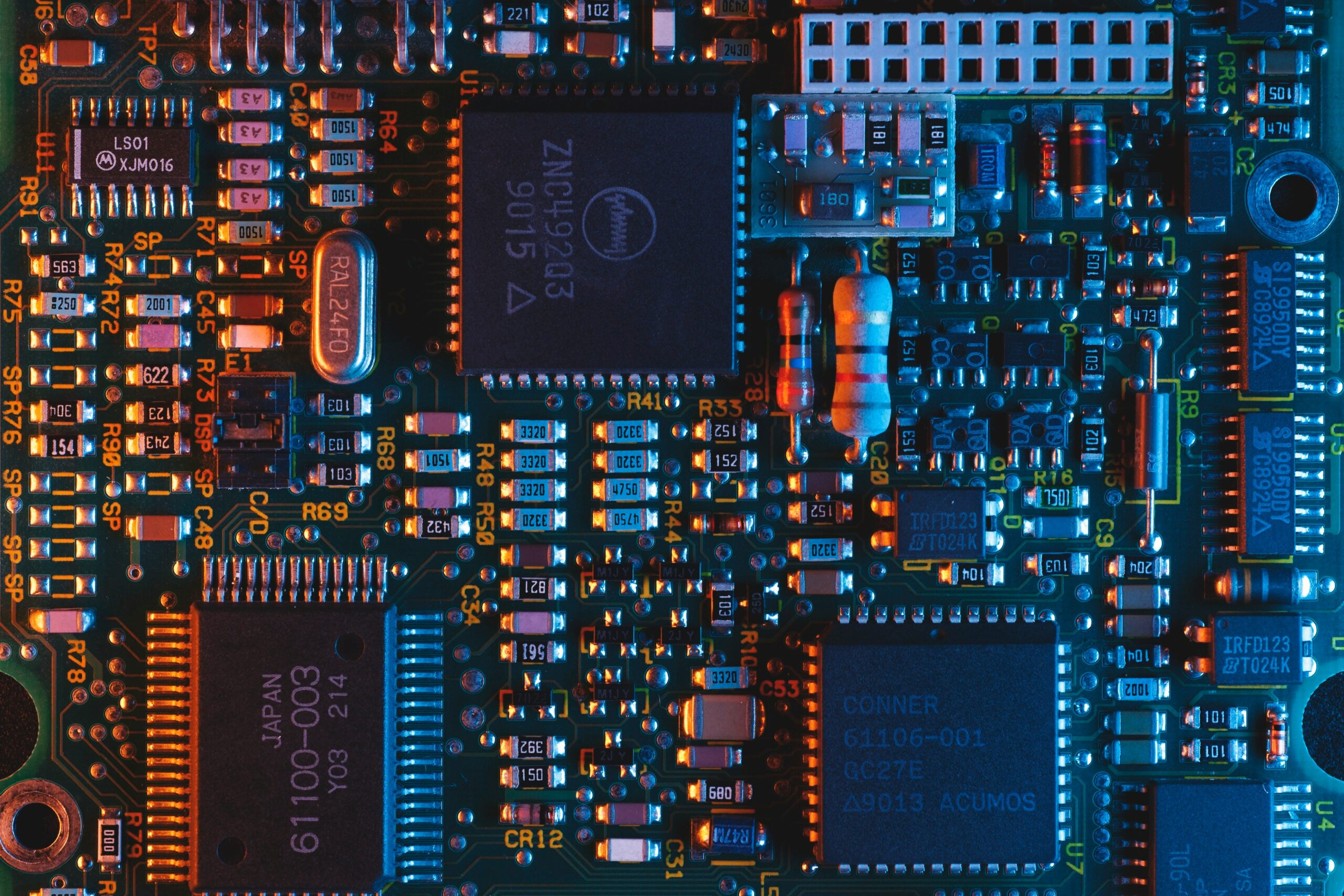
Artificial intelligence (AI) and machine learning are among the most important drivers of smart technology. These technologies enable systems to learn from data, identify patterns, and make decisions without constant human input.
AI is already being used in various applications, such as voice assistants, recommendation systems, and automated customer support. In the future, its role will become even more significant as systems become smarter and more capable.
Machine learning allows technology to improve over time. For example, streaming platforms suggest content based on user preferences, and online stores recommend products based on browsing history.
In healthcare, AI is helping doctors diagnose diseases more accurately and develop personalized treatment plans. In business, it improves decision-making by analyzing large amounts of data.
The integration of AI into everyday technology is making systems more efficient and user-friendly. However, it also raises questions about data privacy and ethical use, which must be addressed.
Internet of Things and Connected Devices
The Internet of Things (IoT) refers to a network of connected devices that communicate with each other through the internet. These devices collect and share data, creating a more integrated and intelligent environment.
Smart homes are a common example of IoT. Devices such as smart lights, thermostats, and security systems can be controlled remotely and work together to improve convenience and efficiency.
In cities, IoT is used to manage traffic, monitor environmental conditions, and improve public services. This leads to the development of smart cities that are more sustainable and efficient.
Wearable devices such as fitness trackers and smartwatches also fall under IoT. They help users monitor their health and activity levels in real time.
The growth of connected devices is making life more convenient, but it also increases the need for strong cybersecurity measures. Protecting data and ensuring secure communication is essential.
Automation and Smart Work Environments

Automation is transforming how work is done across industries. It involves using technology to perform tasks with minimal human involvement, increasing efficiency and reducing errors.
In manufacturing, automation has improved production processes and reduced costs. Machines can perform repetitive tasks faster and more accurately than humans.
In offices, automation tools help manage tasks such as scheduling, data entry, and communication. This allows employees to focus on more creative and strategic work.
Remote work has also been enabled by smart technology. Digital tools allow people to collaborate, communicate, and complete tasks from anywhere in the world.
Automation is creating new opportunities but also requires workers to adapt. Learning new skills and understanding technology will be essential in the future job market.
Cloud Computing and Digital Transformation
Cloud computing is another major trend shaping the digital world. It allows users to store data and access applications through the internet instead of relying on local devices.
This technology has made it easier for businesses to operate efficiently. Companies can store large amounts of data, collaborate in real time, and scale their operations without heavy infrastructure.
Digital transformation refers to the integration of digital technology into all areas of business and life. It changes how organizations operate and deliver value to customers.
Cloud computing supports digital transformation by providing flexibility, accessibility, and cost efficiency. It enables businesses to innovate and adapt quickly.
For individuals, cloud services allow access to files, applications, and information from anywhere. This makes work and personal tasks more convenient.
However, as more data is stored online, security becomes a critical concern. Ensuring data protection and privacy is essential.
Future Impact and Challenges of Smart Technology
Smart technology is shaping the future in many positive ways, but it also brings challenges that need to be addressed.
One of the main concerns is data privacy. As devices collect more information, protecting user data becomes increasingly important. Companies must ensure that data is used responsibly.
Cybersecurity is another major issue. As systems become more connected, they are also more vulnerable to attacks. Strong security measures are necessary to protect users and organizations.
The impact of automation on employment is also a concern. While technology creates new jobs, it may replace certain roles. This requires a focus on education and skill development.
Ethical considerations are important in the development of smart technology. Ensuring fairness, transparency, and accountability is essential for building trust.
Despite these challenges, smart technology offers significant benefits. It improves efficiency, enhances user experiences, and creates new opportunities.