
Fashion often appears complicated because social media and magazines constantly promote new trends, expensive brands, and perfectly curated outfits. Many people begin to believe that looking stylish requires a large wardrobe or a significant budget. In reality, effortless style is not about owning hundreds of clothes. It is about understanding how to use the clothes you already have in smarter ways.
Effortless style means looking polished, confident, and well-dressed without appearing like you tried too hard. The goal is simplicity, balance, and comfort. When your clothing choices feel natural, people notice your confidence rather than the effort behind your outfit. The most stylish people rarely follow every trend. Instead, they focus on timeless pieces, clean combinations, and a consistent personal style.
Everyday clothes such as jeans, simple shirts, jackets, and basic shoes can create impressive outfits when styled correctly. The secret lies in how you combine colors, how well your clothes fit, and how you present yourself. Small adjustments can completely change how an outfit looks.
Many fashion experts believe that style is a skill rather than a talent. Just like any other skill, it improves with awareness and practice. Once you understand the basic principles of styling, dressing well becomes much easier. You no longer need to spend a long time choosing what to wear each morning.
This guide explains how to achieve effortless style using everyday clothes. Instead of focusing on trends or expensive fashion items, it focuses on practical techniques that work for anyone. These methods help you build stylish outfits quickly while keeping your wardrobe simple and functional.
Understanding the Basics of Effortless Style
Before learning how to style everyday clothes, it is important to understand what effortless style actually means. Many people confuse effortless fashion with careless dressing. However, the two are very different.
Effortless style is about looking natural, balanced, and put together. It focuses on clean outfits that work well for daily life. The goal is not to attract attention through flashy trends but to create a confident appearance that feels comfortable and authentic.
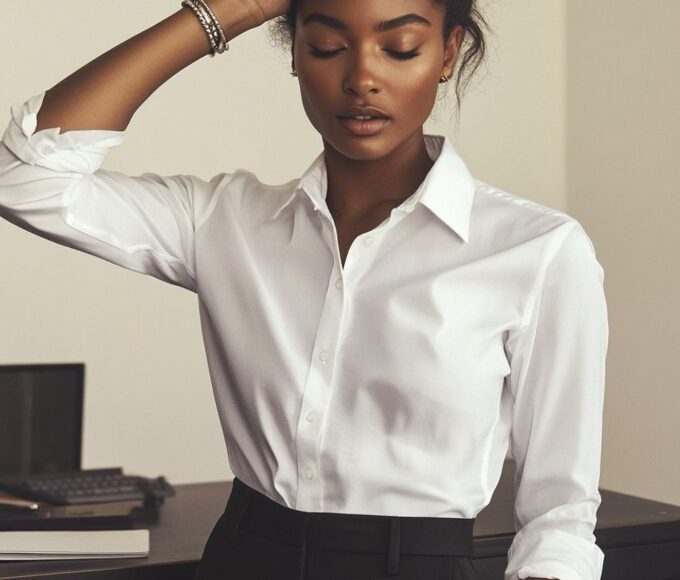
One of the most important elements of effortless style is simplicity. Outfits that include too many colors, patterns, or accessories often appear messy. Simple combinations usually look more elegant and sophisticated. For example, a well-fitted white shirt paired with blue jeans can look far more stylish than a complicated outfit with too many design elements.
Another key principle is balance. Each outfit should feel visually comfortable. If your top is loose, your bottom can be more fitted. If your outfit contains darker tones, adding a lighter element can create contrast. These small details help create harmony in your clothing.
Fit is another major factor that determines how stylish an outfit appears. Even the most expensive clothing looks unattractive if it does not fit properly. Clothes that are too tight feel uncomfortable, while clothes that are too loose may appear unstructured. The ideal fit allows you to move comfortably while still maintaining shape.
Confidence also plays a significant role in effortless style. When you feel comfortable in what you wear, your posture improves and your overall appearance becomes stronger. Confidence turns even simple outfits into powerful style statements.
Understanding these basic principles makes styling much easier. Once you learn how simplicity, balance, and fit work together, you can create stylish outfits without needing a large wardrobe or expensive fashion items.
Building a Strong Everyday Wardrobe
A stylish wardrobe does not need to contain dozens of clothing items. In fact, having fewer but more versatile pieces often makes dressing easier. The key to effortless style is building a wardrobe filled with reliable basics that can be mixed and matched easily.
Basic clothing pieces form the foundation of everyday outfits. Items such as plain t-shirts, button-down shirts, jeans, neutral jackets, and simple sneakers work well in many different combinations. These clothes rarely go out of fashion and can be worn in both casual and semi-formal settings.
Neutral colors play a very important role in a functional wardrobe. Colors such as black, white, gray, navy, and beige are extremely versatile. They can be combined with almost any other color without looking mismatched. Because of this flexibility, neutral clothing pieces make outfit planning much easier.
For example, a pair of well-fitted blue jeans can be paired with a white t-shirt for a casual look, a button-down shirt for a smart casual outfit, or a jacket for a more structured appearance. The same item can create multiple outfits depending on how it is styled.
Layering pieces are also valuable in an everyday wardrobe. Jackets, cardigans, denim layers, and lightweight coats add depth to outfits. Layering allows you to adapt your clothing to different weather conditions while making your outfit look more interesting.
Quality should also be considered when choosing everyday clothes. Durable fabrics maintain their shape and appearance for a longer time. Well-made clothing not only lasts longer but also tends to fit better and feel more comfortable.
A strong everyday wardrobe focuses on practicality. Instead of buying clothes that only work for specific occasions, it is better to invest in pieces that can be styled in multiple ways. This approach reduces decision fatigue and helps you build stylish outfits quickly.
When your wardrobe contains reliable basics, achieving effortless style becomes much simpler. You can create dozens of outfits without needing to constantly buy new clothes.
Simple Styling Techniques That Elevate Any Outfit
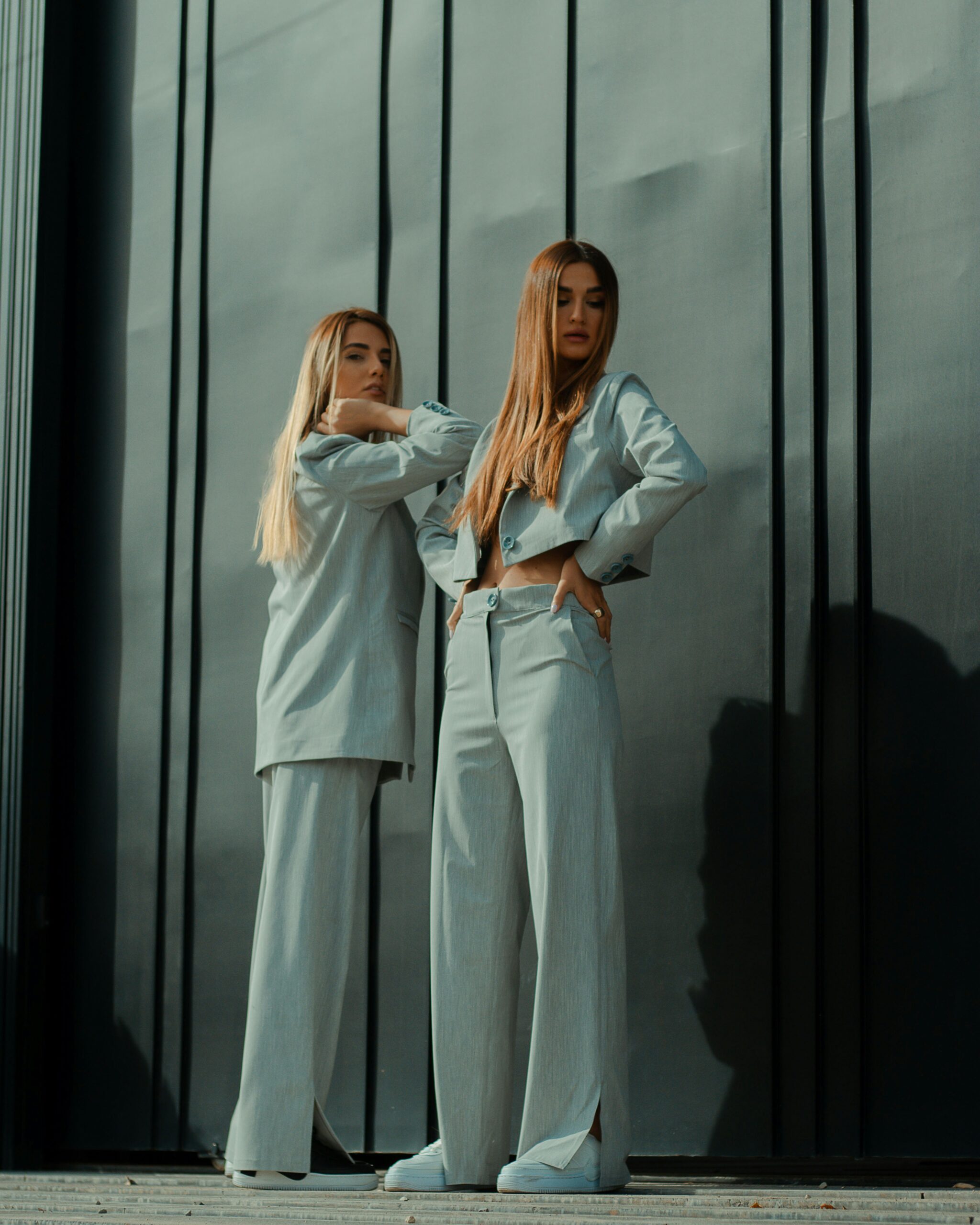
Even the simplest clothing pieces can look stylish when they are styled properly. Many fashion experts rely on a few simple techniques to improve everyday outfits without adding complexity.
One of the easiest techniques is layering. Adding an extra layer instantly makes an outfit look more structured. For example, wearing a light jacket over a basic t-shirt can transform a casual outfit into a more polished look. Layering also adds depth and visual interest to your clothing.
Another useful technique is color coordination. Outfits look more balanced when the colors work well together. Neutral colors often serve as a strong base. Once the base is established, a small accent color can add personality without overwhelming the outfit.
Rolling sleeves or slightly tucking a shirt can also improve the overall appearance of an outfit. These small adjustments create a relaxed yet intentional look. Many stylish individuals use these techniques to make basic clothing appear more fashionable.
Footwear also plays a major role in styling. The right shoes can completely change how an outfit looks. Clean sneakers create a casual and modern appearance, while loafers or boots add a slightly more refined touch. Choosing the right footwear helps define the overall style of the outfit.
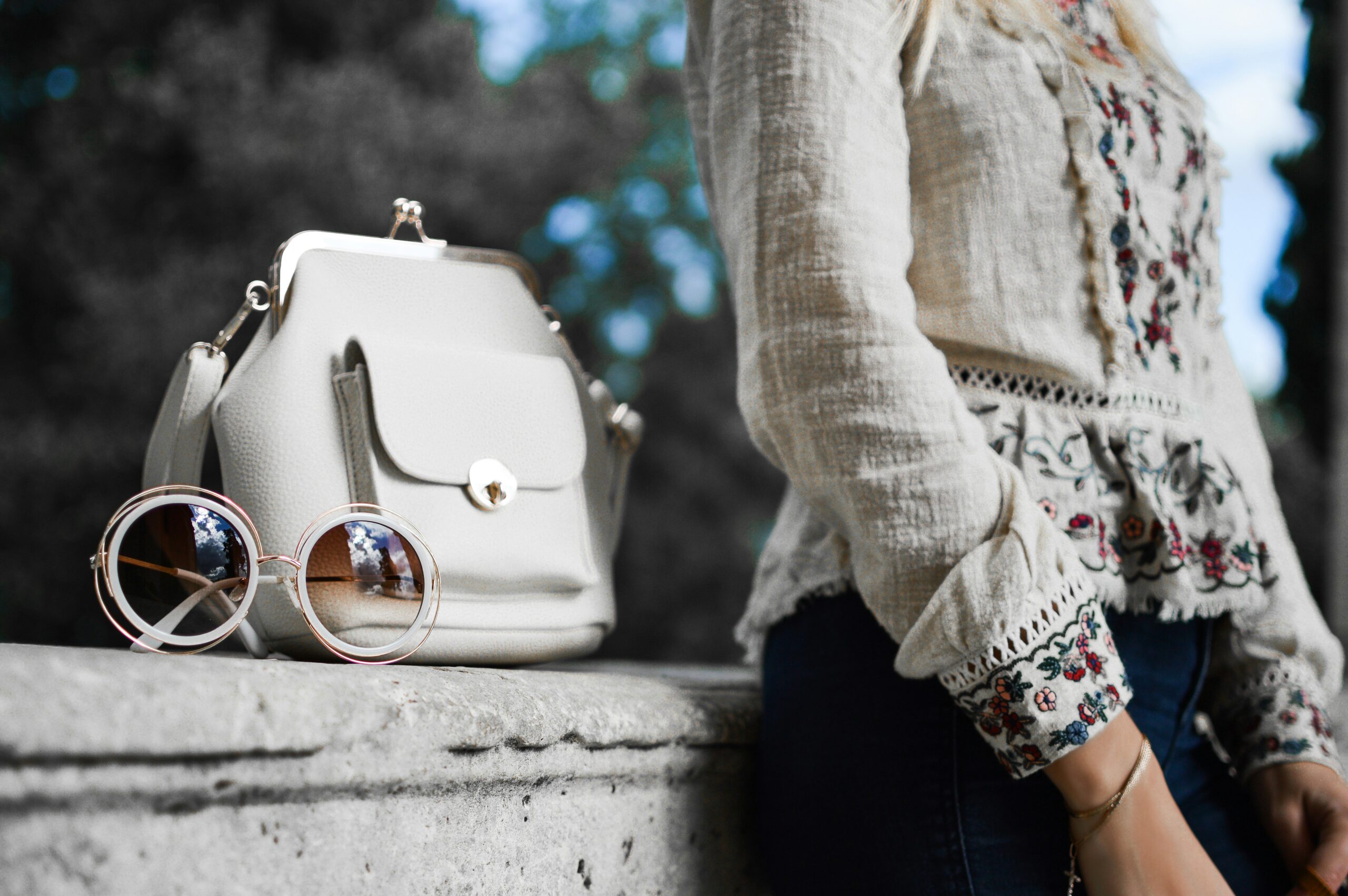
Accessories can also enhance everyday outfits when used carefully. Items such as watches, belts, sunglasses, and simple jewelry add personality without making the outfit look excessive. The key is moderation. Too many accessories can distract from the overall look.
Another important styling tip is maintaining clean and wrinkle-free clothes. Even stylish outfits lose their appeal if the clothing appears messy or poorly maintained. Properly folded, ironed, and clean clothes always create a stronger impression.
These simple styling techniques do not require expensive fashion pieces. They rely on thoughtful adjustments that make everyday clothes appear more refined and intentional.
Developing Personal Style and Confidence
Effortless style is not about copying what others wear. True style comes from understanding what works best for you. Developing a personal style helps you create outfits that feel authentic and comfortable.
The first step in developing personal style is identifying clothing that fits your lifestyle. For example, someone who works in a professional environment may prefer structured outfits, while someone with a more relaxed routine may choose casual clothing. Your style should reflect your daily activities.
Observing different fashion influences can also help you discover your preferences. This does not mean copying someone else’s wardrobe. Instead, it involves noticing elements you like, such as certain colors, clothing shapes, or layering techniques.
Comfort should always remain a priority. Clothing that feels uncomfortable or restrictive can reduce confidence. When your clothes feel natural to wear, your posture improves and your movements become more relaxed.
Consistency also helps develop a recognizable style. This does not mean wearing the same outfit every day. Instead, it means maintaining a general theme in your clothing choices. For example, some people prefer minimalistic outfits, while others enjoy more layered looks.
Confidence grows when you feel satisfied with your clothing choices. When you stop worrying about trends and focus on what suits you, dressing well becomes easier. Your wardrobe begins to reflect your personality rather than external expectations.
Over time, personal style evolves naturally. As you gain experience with different outfits and combinations, you learn what works best for your body type, lifestyle, and comfort level.
Maintaining Effortless Style in Everyday Life
Achieving effortless style is not a one-time effort. It becomes a habit that develops over time. Maintaining a stylish appearance every day requires a few consistent practices.
One helpful habit is planning outfits in advance. Instead of choosing clothes in a rush each morning, spending a few minutes planning the next day’s outfit can reduce stress. This also allows you to experiment with different combinations.
Keeping your wardrobe organized is equally important. When your clothes are neatly arranged, it becomes easier to see all available options. An organized wardrobe prevents you from forgetting about useful clothing pieces.
Regular wardrobe reviews also help maintain effortless style. Occasionally removing clothes that no longer fit or match your style keeps your wardrobe focused and functional. This ensures that most of your clothing items can still be worn regularly.
Paying attention to grooming also contributes to overall style. Clean shoes, well-maintained hair, and proper posture significantly enhance the way your outfit appears. Style is not limited to clothing alone; it includes the overall presentation.
It is also important to avoid unnecessary purchases. Buying clothes simply because they are trendy often leads to a cluttered wardrobe. Instead, choosing versatile pieces that match your existing clothes keeps your style consistent and practical.
Finally, remember that effortless style should remain enjoyable. Fashion should support your confidence rather than create pressure. When you focus on comfort, simplicity, and thoughtful combinations, dressing well becomes a natural part of your daily routine.