



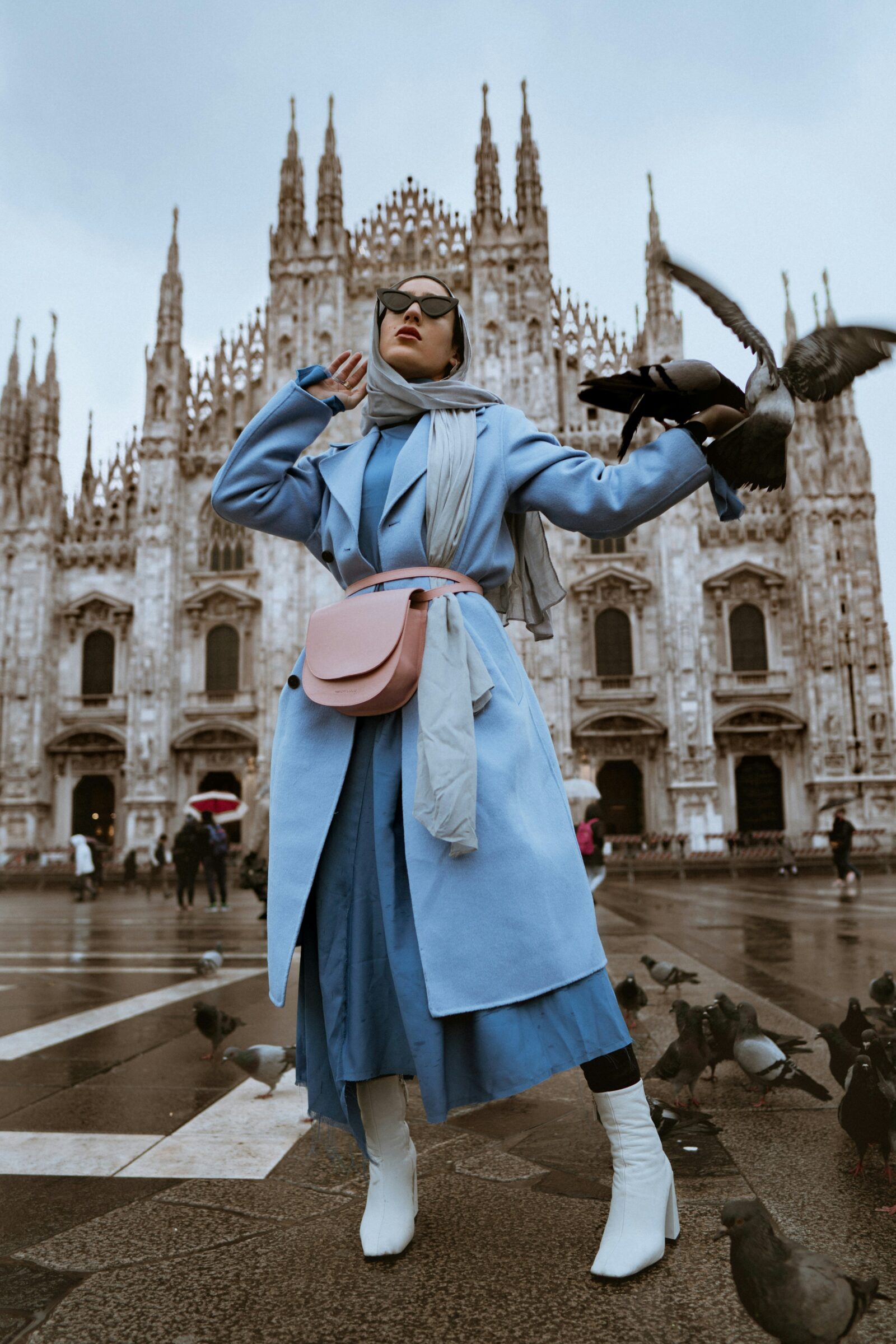
Many people believe that looking stylish requires a large wardrobe filled with trendy clothes. However, some of the most fashionable individuals rely on a minimal wardrobe instead of owning dozens of clothing pieces. Dressing smartly with a minimal wardrobe means using fewer items while still creating a variety of stylish outfits.
A minimal wardrobe focuses on quality, versatility, and thoughtful combinations. Instead of filling your closet with random clothing, you keep pieces that work well together and suit your lifestyle. This approach simplifies daily dressing and reduces the stress of choosing what to wear.
When your wardrobe contains only essential and versatile clothing items, every piece has a clear purpose. Each item can be combined with several others, allowing you to create multiple outfits from a limited number of clothes. This method not only saves money but also makes your closet more organized and functional.
Minimal wardrobes are also practical because they focus on timeless clothing rather than temporary trends. Basic items like neutral shirts, well-fitted jeans, jackets, and comfortable shoes rarely go out of style. These pieces can be worn in many different situations, making them ideal for everyday use.
Another advantage of a minimal wardrobe is efficiency. Instead of spending time deciding between many similar clothes, you can quickly select items that naturally match each other. This makes getting dressed easier, especially during busy mornings.
In this guide, we will explore how to dress smartly with a minimal wardrobe. By focusing on essential clothing pieces, color coordination, layering techniques, and personal style, you can create stylish outfits without needing a large collection of clothes.
Choose Versatile Basic Clothing Pieces

The foundation of a minimal wardrobe is a collection of versatile basic clothing pieces. These are items that can be worn in multiple outfits and combined with different clothing styles. Versatile pieces allow you to create many outfit combinations even when you own only a few clothes.
Common examples of versatile clothing include plain t-shirts, button-down shirts, neutral sweaters, classic jeans, simple trousers, and lightweight jackets. These items can easily be mixed and matched depending on the occasion.
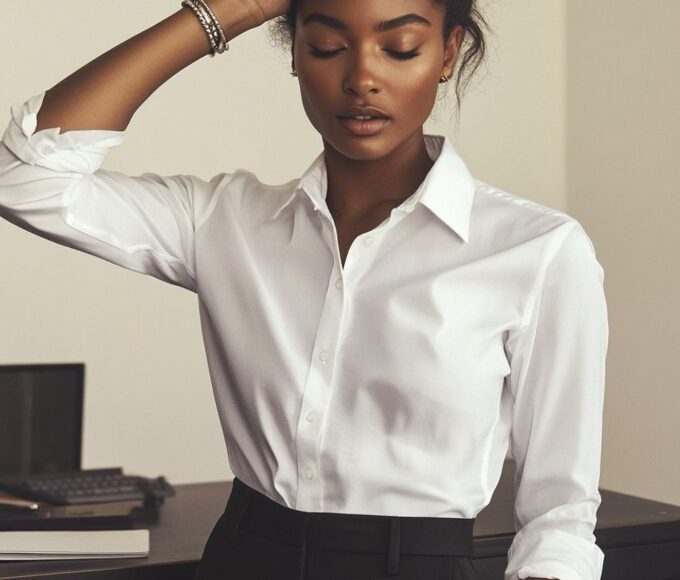
For example, a simple white shirt can be paired with jeans for a casual look or combined with trousers for a slightly more polished outfit. The same piece of clothing can serve different purposes depending on how it is styled.
Neutral colors are especially important when building a minimal wardrobe. Colors such as black, white, gray, navy, and beige work well with almost every other shade. Because of this, neutral clothing items can be easily combined without worrying about mismatched colors.
Quality is also an important factor when choosing clothing for a minimal wardrobe. Since you rely on fewer pieces, each item should be durable and comfortable. Well-made clothing tends to maintain its shape and appearance for a longer time.
When your wardrobe contains versatile basics, you gain the ability to create multiple outfits without needing a large number of clothes. Each piece becomes a valuable part of your everyday style.
Focus on Proper Fit and Clean Silhouettes
Fit plays a crucial role in dressing smartly with a minimal wardrobe. When clothing fits properly, even the simplest outfit appears polished and intentional.
Clothes that are too tight can look uncomfortable, while clothes that are too loose may appear messy or unstructured. The ideal fit allows clothing to follow your body’s natural shape while still providing comfort.
For example, a well-fitted t-shirt should sit neatly on the shoulders and fall naturally along the torso. Pants should fit comfortably at the waist and maintain a clean shape along the legs. When clothing fits properly, it enhances your overall appearance.
Clean silhouettes are another important aspect of minimalist fashion. Silhouette refers to the overall shape created by your clothing. Modern minimalist outfits usually focus on balanced and simple shapes rather than overly complicated designs.
Structured pieces such as well-fitted jackets or sweaters can improve the silhouette of an outfit. These items add shape and help basic clothing appear more refined.
Maintaining well-fitted clothing also improves confidence. When you feel comfortable in what you wear, your posture and body language naturally become stronger.
In a minimal wardrobe, where each piece is used frequently, proper fit becomes even more important. Well-fitted clothing ensures that simple outfits always look intentional and stylish.
Use Color Coordination to Simplify Outfit Choices
Color coordination is another key strategy for dressing smartly with fewer clothes. When your wardrobe contains compatible colors, combining outfits becomes much easier.
Neutral colors often form the base of a minimal wardrobe because they match well with many other shades. Black, white, gray, navy, and beige are commonly used because they create clean and balanced outfits.
For example, a pair of dark jeans can be paired with a white t-shirt, a gray sweater, or a navy shirt. Because these colors work well together, creating outfits becomes quick and effortless.
Limiting the number of colors in your wardrobe also reduces confusion when choosing what to wear. When most clothing pieces belong to a similar color palette, almost any combination will look coordinated.
Adding one or two accent colors can also help create variety. For example, a muted green jacket or a light brown pair of shoes can introduce subtle contrast without overwhelming the outfit.
Color coordination is especially helpful in a minimal wardrobe because it allows a small number of clothes to create many different looks. Instead of relying on quantity, you rely on thoughtful color balance.
When colors complement each other, even simple outfits appear stylish and well planned.
Use Layering to Create Multiple Outfit Variations
Layering is one of the most effective techniques for maximizing a minimal wardrobe. By adding or removing layers, you can create several outfits using the same base clothing pieces.
For example, a simple t-shirt and jeans combination can look very different depending on the outer layer. Adding a denim jacket creates a casual look, while wearing a blazer gives the outfit a more refined appearance.
Layering also adds visual depth to outfits. Without layers, clothing combinations may appear too simple. With layers, the outfit gains structure and dimension.
Another advantage of layering is practicality. Layers allow you to adapt your clothing to different weather conditions. A lightweight sweater can be worn during mild temperatures, while a heavier jacket provides warmth during colder seasons.
Different textures can also enhance layered outfits. For example, combining cotton shirts with denim jackets or wool sweaters creates subtle contrasts that make the outfit more interesting.
Because layering allows you to change the appearance of an outfit without replacing the base clothing, it is an essential technique for minimal wardrobes.
Develop Confidence and Personal Style
The final element of dressing smartly with a minimal wardrobe is confidence. Clothing alone does not define style; the way you wear it also matters.
When you feel comfortable with your wardrobe choices, your confidence naturally increases. This confidence enhances the way your outfit is perceived by others.
Developing personal style is also important when working with fewer clothes. Instead of following every fashion trend, focus on clothing that suits your personality and lifestyle.
Some people prefer simple minimalist outfits with neutral colors, while others enjoy slightly more expressive styles. The goal is to build a wardrobe that feels authentic to you.
Over time, you will notice which clothing combinations work best for your body type and daily routine. These preferences help you refine your wardrobe and improve your style.
Consistency also helps strengthen personal style. When your clothing choices follow a similar aesthetic, your outfits begin to feel more cohesive and recognizable.
A minimal wardrobe encourages thoughtful dressing rather than impulsive fashion decisions. Each clothing item becomes part of a carefully curated collection.
With confidence and a clear sense of personal style, even a small wardrobe can produce stylish and versatile outfits.