






Technology is evolving faster than ever before, and its innovations are shaping the future in ways that were once unimaginable. From intelligent machines to connected systems, modern advancements are transforming industries, redefining human experiences, and creating new possibilities for growth and development.
The future is no longer a distant concept—it is being built today through continuous innovation. These technological developments are not only improving efficiency but also changing how people live, work, communicate, and solve problems. As a result, the world is becoming more connected, automated, and intelligent.
One of the most important aspects of technological innovation is its ability to solve complex challenges. Whether it is improving healthcare, enhancing communication, or addressing environmental issues, technology plays a key role in creating solutions.
At the same time, these innovations require careful consideration. As technology becomes more advanced, it raises questions about ethics, privacy, and sustainability. Balancing progress with responsibility is essential for building a better future.
In this blog, we will explore the major technology innovations that are changing the future and how they are impacting different areas of life.
Artificial Intelligence and Intelligent Systems
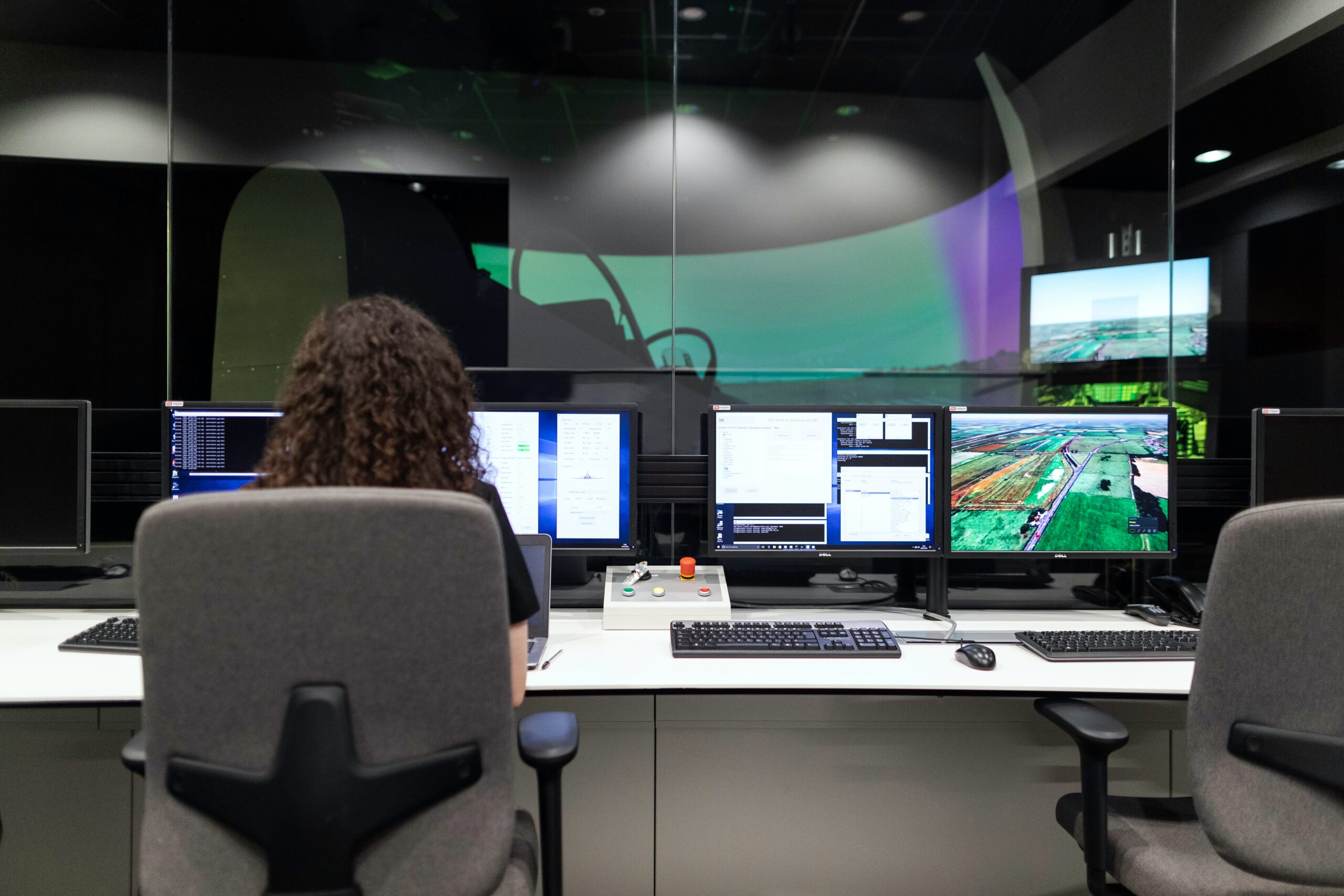
Artificial intelligence (AI) is one of the most transformative innovations of our time. It enables machines to perform tasks that typically require human intelligence, such as learning, decision-making, and problem-solving.
AI is already being used in various sectors, including healthcare, finance, education, and customer service. In the future, its role will expand even further, making systems smarter and more efficient.
Machine learning, a branch of AI, allows systems to improve over time by analyzing data. This capability is used in recommendation systems, predictive analytics, and automation.
In healthcare, AI can assist in diagnosing diseases and developing personalized treatment plans. In business, it helps analyze market trends and improve decision-making.
AI-powered automation is also transforming industries by handling repetitive tasks, reducing human effort, and increasing productivity.
However, the growth of AI also raises important concerns. Issues such as data privacy, bias in algorithms, and the impact on employment must be addressed to ensure responsible use.
Despite these challenges, AI remains a powerful innovation that is shaping the future of technology.
Internet of Things and Smart Connectivity
The Internet of Things (IoT) is another major innovation that is changing the future. It refers to a network of connected devices that communicate and share data through the internet.
IoT is making everyday objects smarter and more efficient. Devices such as smart home systems, wearable technology, and connected vehicles are becoming increasingly common.
Smart homes allow users to control lighting, temperature, and security systems remotely. This improves convenience and energy efficiency.
In cities, IoT is used to manage traffic, monitor environmental conditions, and improve public services. This leads to the development of smart cities that are more sustainable and efficient.
Wearable devices help individuals monitor their health and fitness. They provide real-time data that can be used to make better lifestyle choices.
The growth of IoT also increases the need for strong cybersecurity measures. As more devices become connected, protecting data and ensuring secure communication is essential.
IoT is creating a more connected world where devices work together to improve daily life.
Cloud Computing and Digital Transformation

Cloud computing is revolutionizing how data is stored, accessed, and managed. Instead of relying on physical storage devices, data is stored on remote servers and accessed through the internet.
This innovation has made it easier for businesses to operate efficiently. Companies can store large amounts of data, collaborate in real time, and scale their operations without heavy infrastructure.
Digital transformation refers to the integration of digital technology into all aspects of business and life. It changes how organizations operate and deliver value to customers.
Cloud computing supports digital transformation by providing flexibility, accessibility, and cost efficiency. It enables businesses to innovate and adapt quickly.
For individuals, cloud services allow access to files and applications from anywhere. This makes work and personal tasks more convenient.
However, data security remains a key concern. Protecting information stored in the cloud is essential for maintaining trust.
Cloud computing continues to play a central role in shaping the digital future.
Automation, Robotics, and Future Work
Automation and robotics are transforming the way work is done across industries. These technologies are designed to perform tasks with minimal human intervention, increasing efficiency and reducing errors.
In manufacturing, robots are used to perform repetitive tasks quickly and accurately. This improves productivity and reduces costs.
In offices, automation tools handle tasks such as data entry, scheduling, and communication. This allows employees to focus on more creative and strategic work.
The rise of automation is also changing the job market. While some roles may become obsolete, new opportunities are being created in fields related to technology and innovation.
Robotics is also being used in healthcare, logistics, and service industries. For example, robots can assist in surgeries, manage inventory, and provide customer support.
The future of work will require individuals to adapt and learn new skills. Digital literacy and technical knowledge will become increasingly important.
Automation and robotics are shaping a future where efficiency and innovation go hand in hand.
Sustainable Technology and Future Challenges
As technology continues to advance, there is a growing focus on sustainability. Sustainable technology aims to reduce environmental impact and promote eco-friendly solutions.
Innovations such as renewable energy, energy-efficient systems, and smart resource management are helping address environmental challenges.
Electric vehicles and smart energy systems are reducing reliance on fossil fuels. These technologies contribute to a cleaner and more sustainable future.
At the same time, technological growth brings challenges. Data privacy, cybersecurity, and ethical considerations must be addressed to ensure responsible use.
The rapid pace of innovation also requires individuals and organizations to adapt quickly. Continuous learning and flexibility are essential for keeping up with technological changes.
Balancing innovation with sustainability and ethics is key to creating a positive future.