





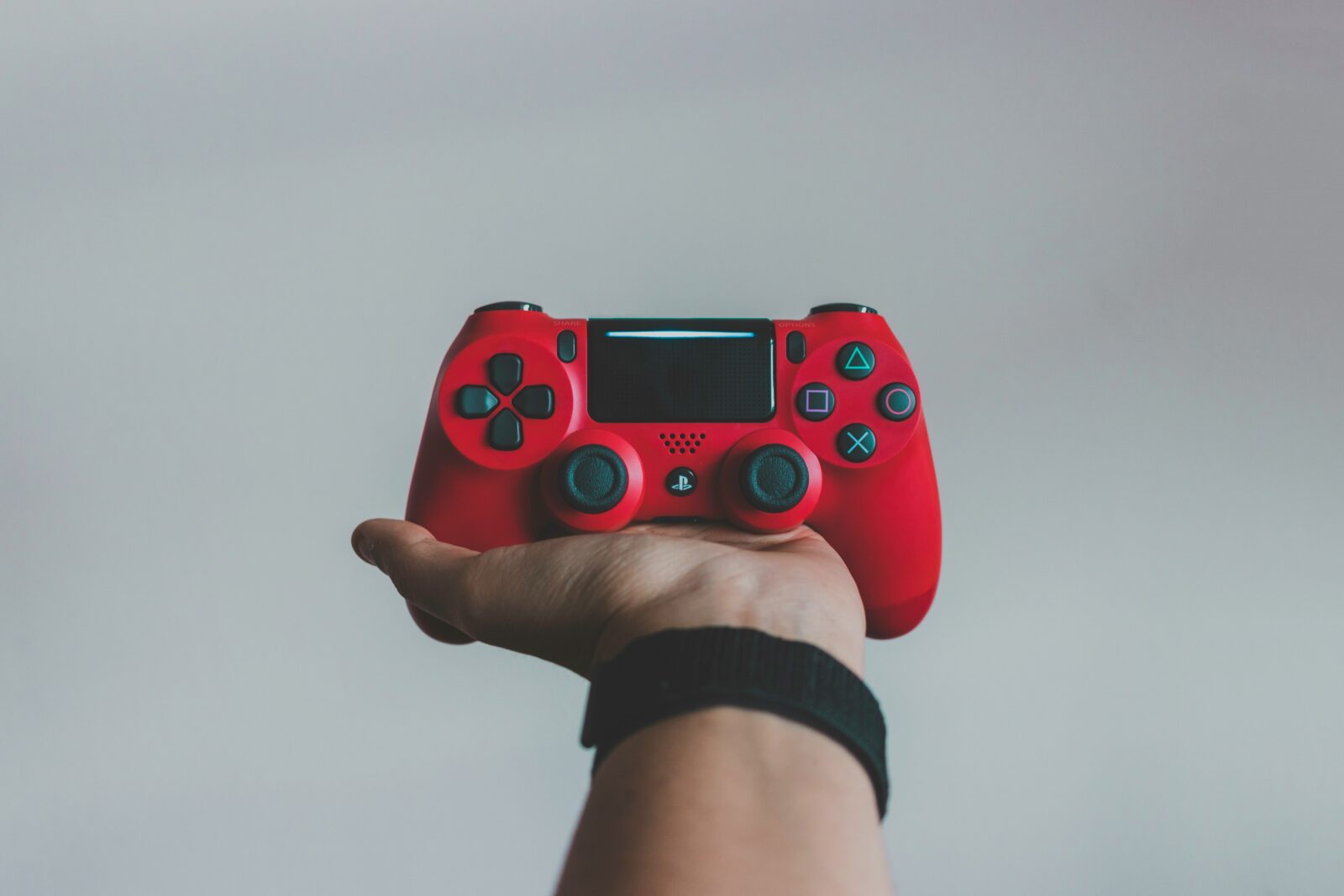
1. Introduction: The Growing Influence of Video Games
In today’s digital age, video games have become one of the most popular forms of entertainment across the world. From children to adults, millions of people engage in gaming daily. While video games are often viewed as a source of fun and relaxation, their impact goes far beyond entertainment. They play a significant role in enhancing cognitive abilities such as focus, strategic thinking, and decision-making.
Over the years, video games have evolved from simple pixel-based designs to complex, immersive experiences. Modern games require players to think critically, analyze situations, and respond quickly to changing environments. This level of engagement makes gaming a mentally stimulating activity.
Despite some negative perceptions about gaming, research and practical experiences suggest that video games can have several positive effects when played in moderation. They challenge the brain, improve mental agility, and help develop essential skills that are useful in real-life situations.
Focus, strategy, and decision-making are crucial skills in both personal and professional life. Whether it is studying, working, or solving everyday problems, these abilities determine how effectively an individual performs tasks. Video games provide a unique platform to develop and strengthen these skills in an interactive and engaging way.
In this blog, we will explore how video games enhance focus, improve strategic thinking, and strengthen decision-making abilities, highlighting their positive impact on mental development.
2. Improving Focus and Concentration Through Gaming

One of the most important benefits of video games is their ability to improve focus and concentration. Many games require players to stay fully engaged and attentive for extended periods, which helps train the brain to maintain concentration.
In fast-paced games, players must constantly monitor their surroundings, track multiple elements, and react quickly. This level of engagement improves attention span and the ability to concentrate on tasks without getting distracted.
Video games also enhance selective attention. Players learn to focus on important details while ignoring irrelevant information. This skill is particularly useful in real-life situations where distractions are common.
In addition, gaming helps improve sustained attention. Players often spend long periods focusing on a single task or objective, which strengthens their ability to maintain concentration over time.
Games that involve puzzles or challenges require deep thinking and careful analysis. This helps improve mental clarity and focus.
Another important aspect is hand-eye coordination. Players must coordinate their visual input with physical actions, which enhances reaction time and accuracy.
Moreover, gaming can improve multitasking abilities. Players often need to manage multiple tasks simultaneously, such as controlling characters, planning strategies, and responding to opponents.
Overall, video games provide an effective way to improve focus and concentration, helping individuals perform better in various aspects of life.
3. Developing Strategic Thinking and Planning Skills
Strategic thinking is a key skill that video games help develop. Many games require players to plan ahead, analyze situations, and create strategies to achieve their goals.
In strategy-based games, players must think critically and make decisions based on available information. They need to consider various factors, such as resources, timing, and opponents’ actions. This improves their ability to think strategically.
Video games also teach long-term planning. Players often set goals and work toward them by making a series of decisions. This helps in developing a structured approach to problem-solving.
Simulation and management games provide real-life scenarios where players must manage resources, make decisions, and achieve objectives. These games help in understanding complex systems and improving planning skills.
Games also encourage adaptability. Players must adjust their strategies based on changing situations. This ability to adapt is crucial in real-life situations where conditions are often unpredictable.
In addition, gaming helps improve analytical thinking. Players must evaluate situations, identify patterns, and make informed decisions. This enhances their problem-solving abilities.
Collaborative games also promote strategic teamwork. Players must work together, share ideas, and develop strategies to achieve common goals.
In summary, video games are an excellent tool for developing strategic thinking and planning skills, which are essential for success in various fields.
4. Enhancing Decision-Making Skills Under Pressure
Decision-making is a critical skill in everyday life, and video games provide a dynamic environment to develop this ability. Many games require players to make quick decisions under pressure, which helps improve their decision-making skills.
In action and competitive games, players must make split-second decisions that can determine the outcome of the game. This improves their ability to think quickly and act confidently.
Video games also teach players to evaluate risks and rewards. Every decision has consequences, and players learn to choose the best option based on the situation. This helps in developing critical thinking.
Another important aspect is learning from mistakes. When players make wrong decisions, they experience the consequences and learn to improve their approach. This process helps in developing better judgment.
Games also improve confidence in decision-making. As players gain experience and improve their skills, they become more confident in their choices.
In addition, gaming helps in handling pressure. High-stakes situations in games teach players to stay calm and focused, even in stressful conditions.
Decision-making in games often involves balancing multiple factors, such as time, resources, and objectives. This helps in developing a comprehensive approach to problem-solving.
Overall, video games provide a practical and engaging way to enhance decision-making skills, helping individuals perform better in real-life situations.
5. Long-Term Benefits of Gaming on Cognitive Development
The benefits of video games extend beyond immediate improvements in focus, strategy, and decision-making. They have a lasting impact on cognitive development and overall mental abilities.
Regular gaming helps improve memory, attention, and problem-solving skills. These cognitive abilities are essential for academic and professional success.
Gaming also promotes continuous learning. Players are constantly exposed to new challenges, which encourages them to think creatively and adapt to new situations.
In addition, gaming helps develop perseverance. Players often face difficult challenges that require repeated attempts, which builds patience and determination.
Social gaming also contributes to cognitive development. Interacting with other players helps improve communication and teamwork skills.
Gaming can also inspire interest in technology and creativity. Many players develop skills in areas such as programming, design, and digital art.
However, it is important to maintain a balance. Excessive gaming can have negative effects, so it is essential to manage time and prioritize other responsibilities.
When used wisely, video games can be a powerful tool for cognitive development, helping individuals improve their mental abilities and overall performance.