Personal style is an important part of self-expression. The way you dress can reflect your personality, confidence, and lifestyle. Many people want to improve their style but often feel unsure about where to start. The good news is that upgrading your personal style does not require a completely new wardrobe or expensive fashion items.
In most cases, improving style begins with understanding how to combine clothing pieces effectively. When clothes are chosen carefully and styled thoughtfully, even simple outfits can look modern and well-balanced.
Clothing combinations play a major role in creating a stylish appearance. The way shirts, trousers, jackets, shoes, and accessories work together determines how polished an outfit looks. When these elements are coordinated properly, they create outfits that feel confident and visually appealing.
Another important aspect of upgrading personal style is learning to make better use of the clothes you already own. Many wardrobes contain versatile clothing pieces that can be styled in different ways to create new looks.
Personal style also develops over time. As you gain more experience with clothing choices, you begin to understand which styles, colors, and outfit combinations work best for you.
In this article, we will explore practical strategies that help upgrade your personal style and create clothing combinations that consistently look stylish and balanced.
Understanding Your Personal Style Preferences
The first step in upgrading your personal style is identifying what type of clothing reflects your personality and lifestyle. Personal style should feel natural and comfortable rather than forced.
Some people prefer simple and minimal outfits with neutral colors, while others enjoy adding bold colors or layered clothing combinations. Understanding your preferences helps guide your fashion choices.
Your daily routine also influences your personal style. For example, someone who works in a professional environment may prefer structured outfits, while someone with a more relaxed schedule may choose casual clothing.
Observing which outfits make you feel confident can help you identify your style direction. Clothing that feels comfortable and authentic often becomes the foundation of personal style.
Fashion inspiration can also help you develop your style. Looking at fashion magazines, blogs, or social media platforms can provide ideas about outfit combinations and styling techniques.
However, it is important to adapt these ideas rather than copying them exactly. Personal style should always reflect your own personality.
Understanding your style preferences makes it easier to create outfits that look natural and consistent.
Building a Versatile and Functional Wardrobe
A strong wardrobe foundation is essential for creating better clothing combinations. A versatile wardrobe contains clothing pieces that can easily be mixed and matched.
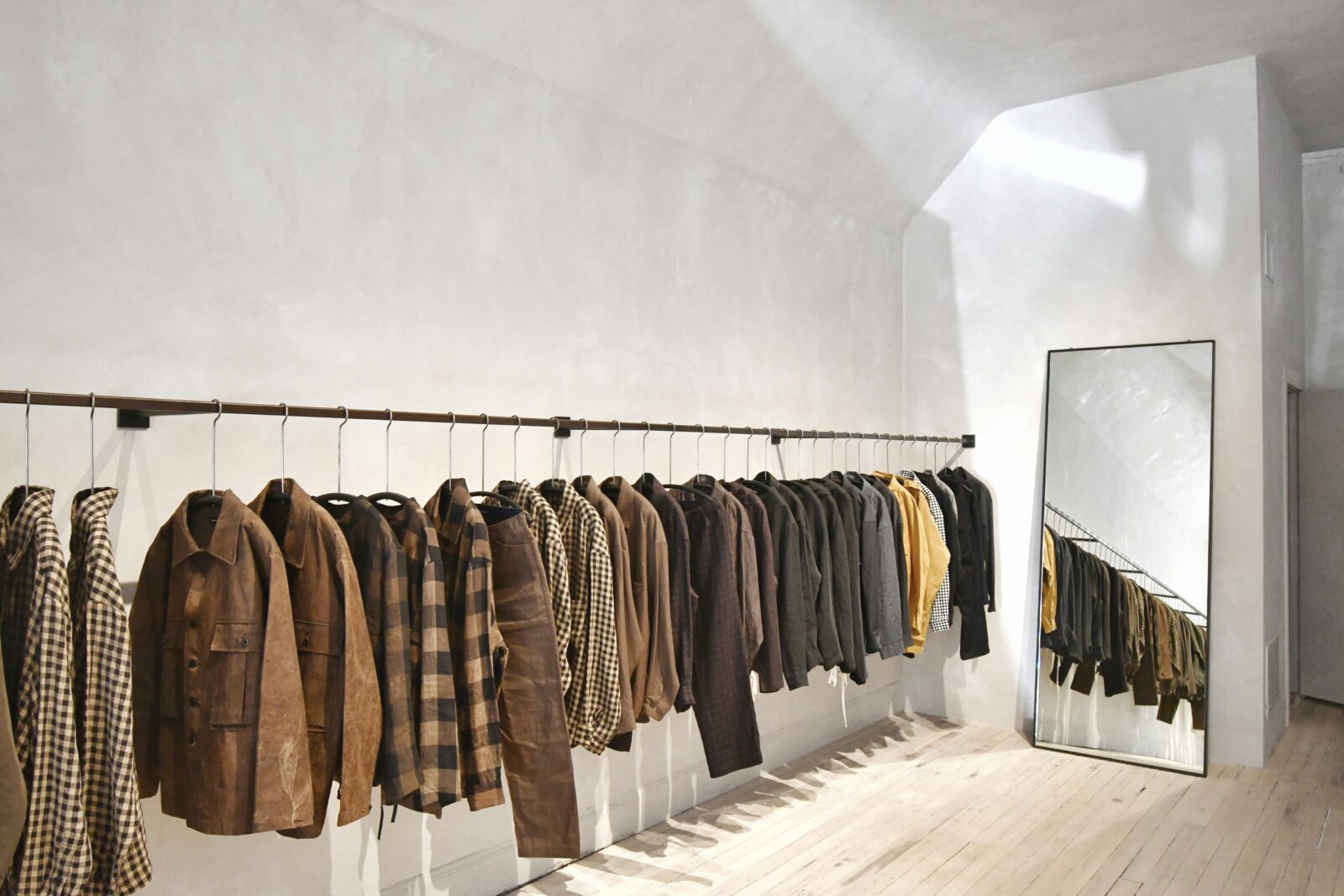
Common wardrobe essentials include plain t-shirts, classic shirts, comfortable jeans, neutral trousers, simple sweaters, and stylish jackets. These items serve as the base for many outfit combinations.
Neutral colors such as black, white, grey, navy, and beige are especially useful because they combine easily with other colors. These shades help create balanced outfits.
Having versatile clothing pieces allows you to create multiple outfits from a smaller number of items. For example, one shirt can be paired with jeans for a casual look or with trousers for a more formal appearance.
Quality is also an important factor when building a wardrobe. Well-made clothing maintains its shape and appearance over time, making it easier to style repeatedly.
Keeping your wardrobe organized also helps when creating outfits. When clothing items are easy to see, it becomes simpler to experiment with new combinations.
A versatile wardrobe provides the flexibility needed to upgrade your personal style.
Learning the Basics of Color Coordination
Color coordination is a key skill for creating stylish clothing combinations. The way colors interact in an outfit can greatly influence its overall appearance.
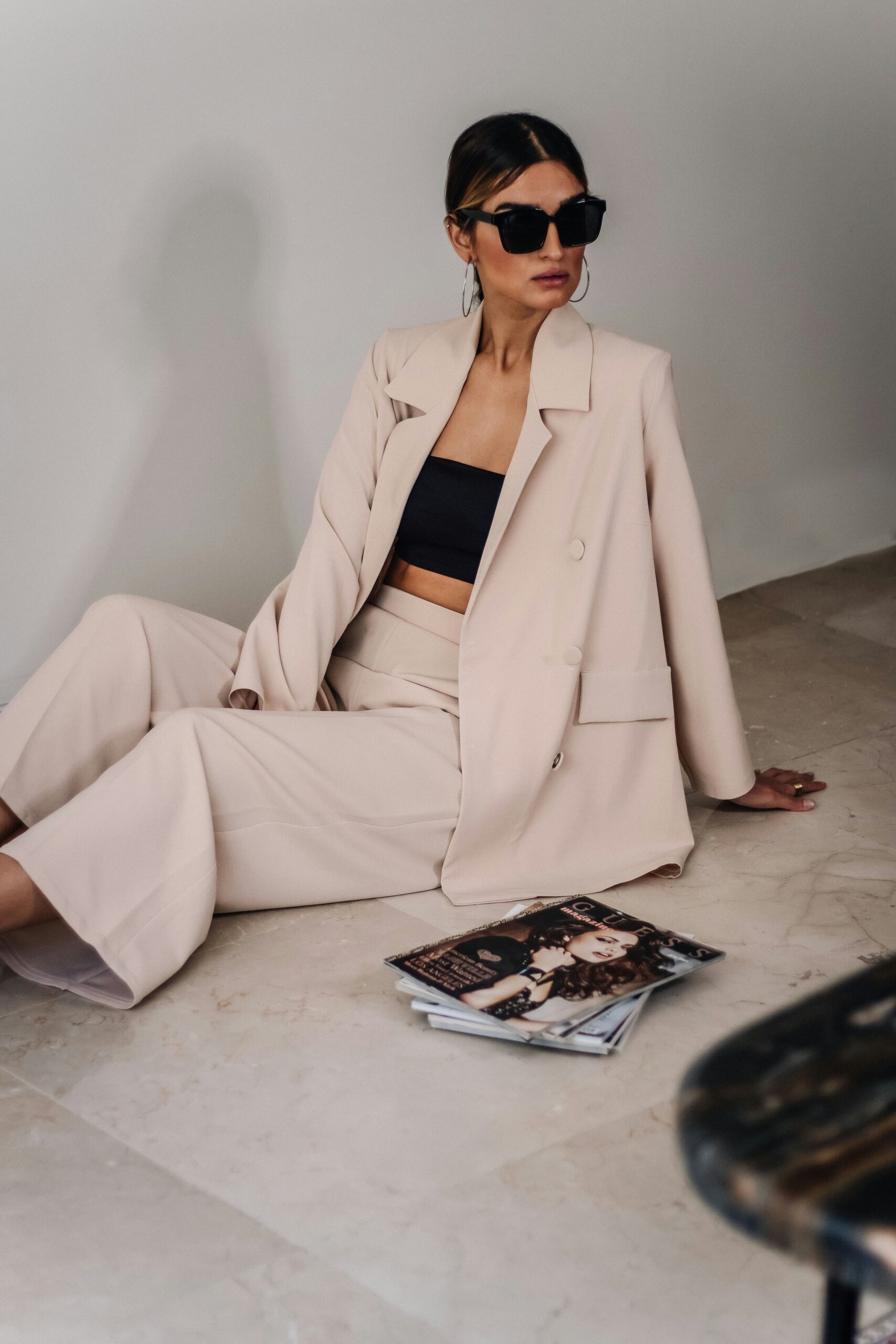
Neutral colors often serve as the base of many outfits because they create a clean and balanced look. These colors also allow other clothing elements to stand out.
A useful styling guideline is limiting the number of colors in an outfit. Using two or three complementary colors usually creates a harmonious and polished appearance.
Contrast can also improve clothing combinations. Pairing light clothing with darker pieces creates visual interest and helps different elements of the outfit stand out.
Monochromatic outfits are another stylish option. These outfits use different shades of the same color to create a cohesive and elegant look.
Patterns and prints should be balanced carefully. If one clothing item includes a pattern, the rest of the outfit should remain simple.
Understanding color coordination helps transform basic clothing pieces into stylish outfits.
Balancing Outfit Structure and Proportions
Another important factor in upgrading personal style is understanding how clothing proportions work together. Balanced proportions create outfits that look harmonious and well-structured.
For example, if one clothing item is loose or oversized, pairing it with a more fitted piece can create balance. A relaxed sweater combined with fitted trousers often produces a stylish look.
Layering is another effective styling technique. Adding jackets, cardigans, or coats creates depth and dimension in an outfit.
Mixing different textures can also enhance outfit combinations. Fabrics such as denim, cotton, wool, or leather add visual interest without making outfits overly complex.
Footwear also plays an important role in outfit structure. Shoes should complement the style of the outfit while remaining comfortable.
When clothing proportions are balanced properly, outfits appear more polished and stylish.
Developing Confidence in Your Personal Style
The final step in upgrading personal style is developing confidence in your clothing choices. Confidence often has a greater impact on style than clothing itself.
When people feel comfortable in their outfits, they naturally appear more confident and relaxed. This confidence enhances the overall impression of their style.
Developing personal style requires experimentation and practice. Trying different clothing combinations helps you discover what works best for your personality and lifestyle.
Over time, you will begin to recognize patterns in your wardrobe preferences. Certain colors, clothing shapes, or outfit styles may consistently make you feel confident.
Consistency also helps build a recognizable personal style. When your wardrobe contains clothing pieces that work well together, creating stylish outfits becomes easier.
Fashion should always support self-expression rather than create pressure to follow trends.
By understanding your personal style preferences, building a versatile wardrobe, coordinating colors effectively, balancing clothing proportions, and developing confidence in your choices, you can upgrade your personal style and create clothing combinations that always look good.
In the end, true style is about making thoughtful clothing choices that reflect your personality and lifestyle.