Fashion is not only about buying new clothes or following the latest trends. True style often comes from knowing how to combine the clothes you already have in a smart and creative way. The ability to mix and match clothing pieces allows you to create multiple outfits from a limited wardrobe while still looking stylish and confident.
Many people feel that they need a large wardrobe to dress well, but this is not always true. When you understand how to combine different clothing items effectively, even a small collection of clothes can create many stylish outfits. The secret lies in understanding balance, color coordination, clothing proportions, and the versatility of wardrobe pieces.
Mixing and matching clothes also helps you develop your personal fashion style. Instead of wearing the same outfit repeatedly, you learn how to create new combinations that suit different occasions such as work, casual outings, social events, or travel.
Another advantage of mastering outfit combinations is that it saves time and money. Instead of constantly purchasing new clothing items, you can make better use of the clothes you already own. This approach also encourages thoughtful wardrobe organization and helps you understand which pieces work well together.
Stylish outfits often appear simple, but they are usually built using basic fashion principles. When clothing pieces complement each other in color, fit, and style, the entire outfit looks balanced and polished.
In this article, we will explore practical strategies that help you mix and match clothes effectively to create outfits that look stylish, balanced, and comfortable for everyday wear.
Understanding the Basics of a Versatile Wardrobe
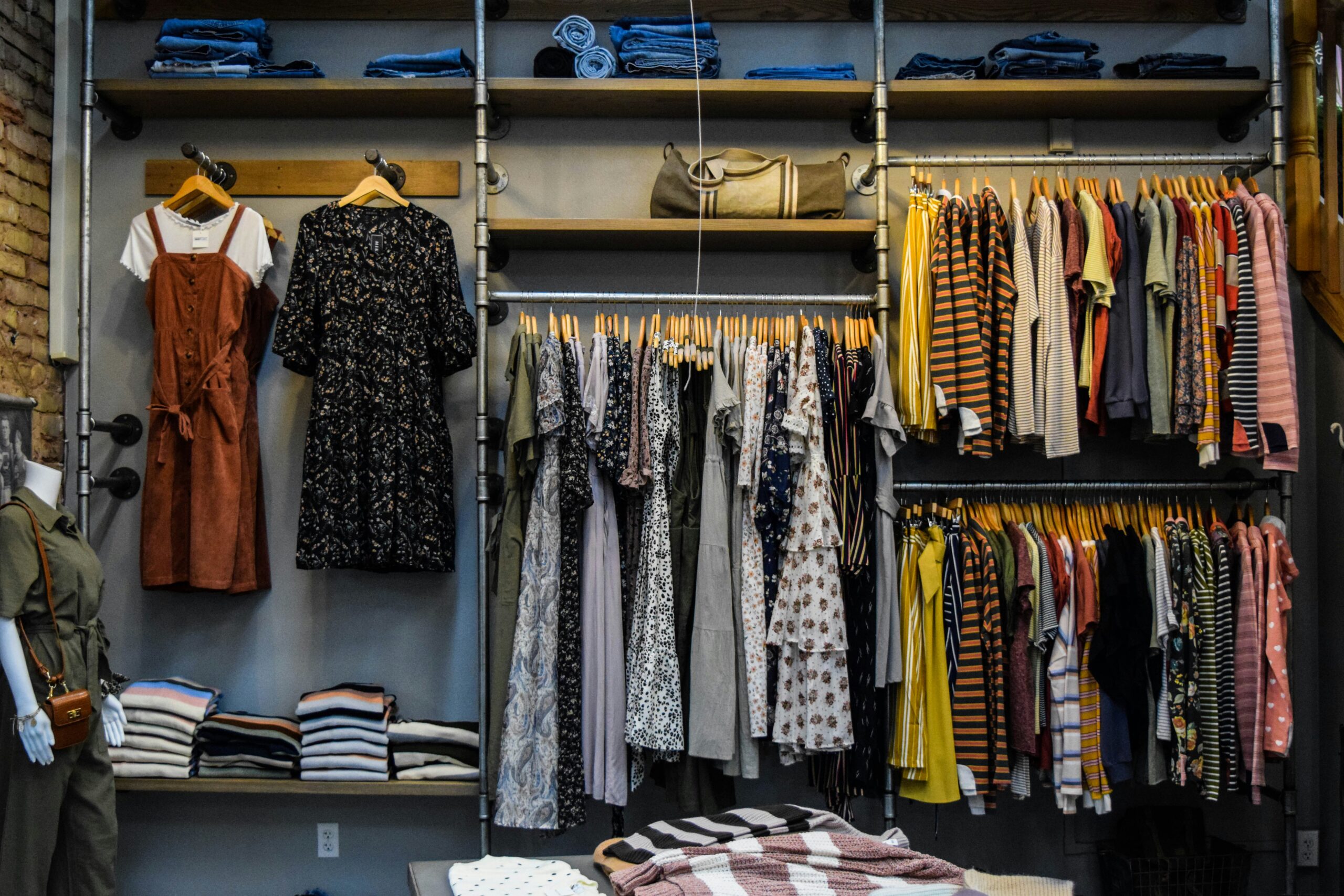
Before creating stylish outfit combinations, it is important to build a wardrobe that contains versatile clothing pieces. Versatile clothing items are pieces that can be combined with many other garments easily.
These clothing items usually have simple designs and neutral colors that work well with different outfits. Examples of versatile wardrobe pieces include well-fitted jeans, plain t-shirts, simple shirts, comfortable sweaters, classic jackets, and neutral-colored trousers.
Neutral colors such as black, white, grey, navy, and beige form the foundation of a versatile wardrobe. These colors are easy to combine with other shades and allow you to create balanced outfits without making them look too busy.
A wardrobe built around versatile pieces gives you more flexibility when creating outfits. Instead of relying on a single clothing item for one specific look, you can use the same piece in multiple outfit combinations.
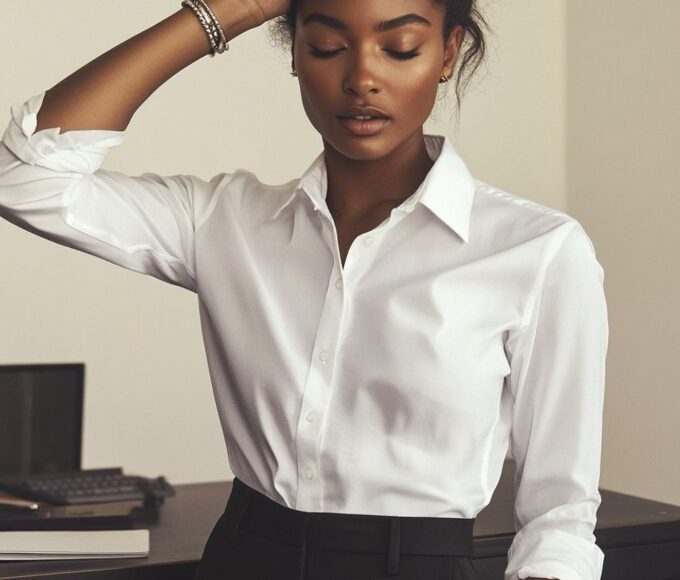
For example, a simple white shirt can be paired with jeans for a casual look, with formal trousers for work, or with layered clothing for cooler weather. This flexibility makes dressing easier and more efficient.
Another important factor is clothing quality and fit. Well-fitted clothing pieces tend to work better in multiple combinations because they maintain a clean and structured appearance.
Organizing your wardrobe also helps when mixing and matching clothes. When you can easily see all your clothing items, it becomes easier to imagine different outfit combinations.
A versatile wardrobe is the foundation of stylish outfit creation and makes it easier to experiment with different clothing combinations.
Learning the Principles of Color Coordination
Color coordination plays a major role in creating stylish and balanced outfits. Even simple clothing items can look impressive when colors are combined thoughtfully.
One of the most effective methods is using neutral colors as the base of an outfit. Neutral tones are easy to combine with other colors and help maintain balance in the overall appearance.
A common styling approach is limiting the number of colors in one outfit. Using two or three complementary colors often creates a clean and polished look.
For example, a neutral-colored outfit can be enhanced with a single bold color that adds visual interest. This technique keeps the outfit simple while still making it stylish.
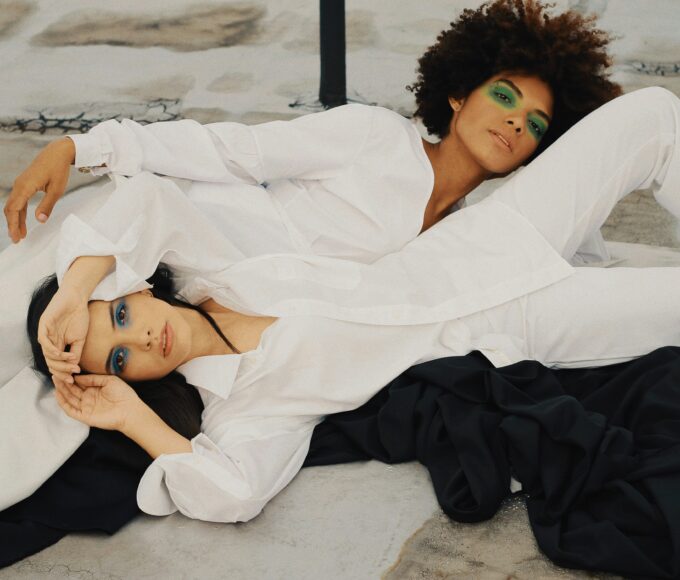
Another approach is the monochromatic style, which involves wearing different shades of the same color. This style creates a cohesive and sophisticated look that often appears elegant and modern.
Contrast is another useful principle in color coordination. Combining light and dark colors in an outfit creates visual balance. For instance, a light shirt paired with darker trousers creates a natural contrast that looks pleasing.
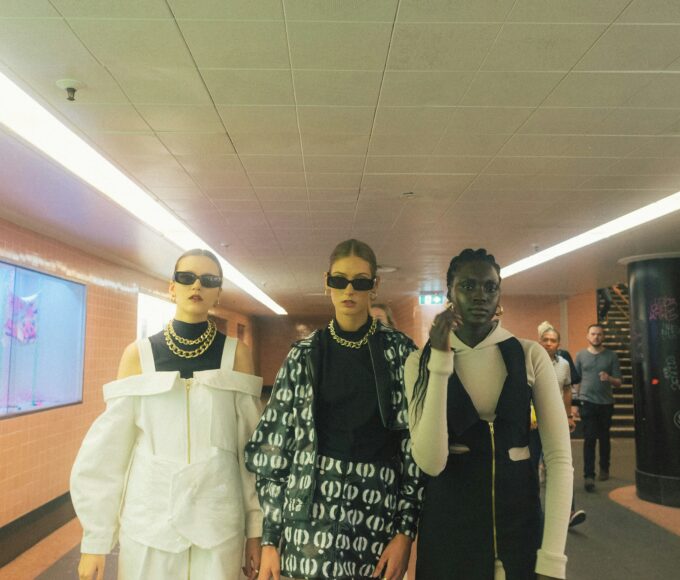
Patterns and prints should be balanced carefully when mixing and matching clothing. If one piece of clothing contains a pattern, it is usually best to keep the rest of the outfit simple to avoid visual clutter.
Understanding these color principles helps create outfits that appear intentional and stylish while still remaining simple and comfortable.
Balancing Clothing Proportions and Silhouettes
One of the key elements of stylish outfit combinations is balancing clothing proportions. When the proportions of an outfit are balanced, the entire look appears more harmonious and well-structured.
For example, if one clothing piece is loose or oversized, pairing it with a more fitted piece often creates balance. A loose sweater combined with fitted trousers can produce a stylish and comfortable outfit.
Similarly, fitted shirts often work well with slightly relaxed trousers or jeans. This contrast in clothing shapes helps prevent the outfit from appearing too tight or too loose.
Layering is another useful technique for creating balanced outfits. Adding layers such as jackets, cardigans, or lightweight coats introduces depth and dimension to clothing combinations.
Layering also allows you to adapt outfits for different weather conditions while maintaining style.
The length of clothing pieces also affects outfit balance. Jackets, shirts, and trousers should align in a way that creates a clean and structured silhouette.
Footwear plays an important role in balancing outfit proportions as well. Shoes should complement the overall style of the outfit. Casual outfits usually work well with sneakers or casual shoes, while more formal combinations may require dress shoes.
When clothing proportions are balanced correctly, the outfit appears more polished and visually appealing.
Using Accessories to Enhance Outfit Combinations
Accessories play a significant role in improving outfit combinations. Even simple clothing can look stylish when the right accessories are added.
Accessories provide finishing touches that make an outfit appear complete. Common accessories include watches, belts, bags, scarves, sunglasses, and jewelry.
One important rule when using accessories is maintaining balance. Accessories should enhance the outfit rather than overpower it. A few carefully chosen accessories are usually more effective than wearing too many.
For example, a simple watch and belt can make a casual outfit appear more refined. Similarly, a stylish bag can add personality to an otherwise minimal look.
Scarves and jackets can also function as both practical and stylish accessories. They provide warmth while also adding texture and visual interest to the outfit.
Color coordination also applies to accessories. Choosing accessories that match or complement the colors in your outfit creates a more cohesive appearance.
Accessories allow you to experiment with style without changing the main clothing pieces. This makes it possible to create different looks from the same outfit simply by changing accessories.
Using accessories thoughtfully helps transform simple clothing combinations into stylish and personalized outfits.
Developing Confidence in Your Personal Styling Choices
The final step in creating stylish and balanced outfits is developing confidence in your personal fashion choices. Confidence often makes the biggest difference in how an outfit is perceived.
When people feel comfortable in their clothing, they naturally appear more relaxed and confident. This confidence enhances the overall appearance of the outfit.
Developing personal style takes time and experimentation. Trying different clothing combinations helps you understand which outfits suit you best.
Over time, you begin to notice patterns in your preferences. You may find that certain colors, clothing cuts, or outfit styles consistently work well for you.
Consistency also helps build a recognizable personal style. When your wardrobe contains clothing pieces that work well together, creating stylish outfits becomes easier.
Fashion should always be a tool for self-expression rather than a source of pressure. The goal is not to follow every trend but to create outfits that reflect your personality and lifestyle.
By understanding wardrobe versatility, practicing color coordination, balancing clothing proportions, and using accessories effectively, anyone can learn how to mix and match clothes successfully.
In the end, stylish fashion is not about complexity. It is about making thoughtful clothing choices and wearing them with confidence.