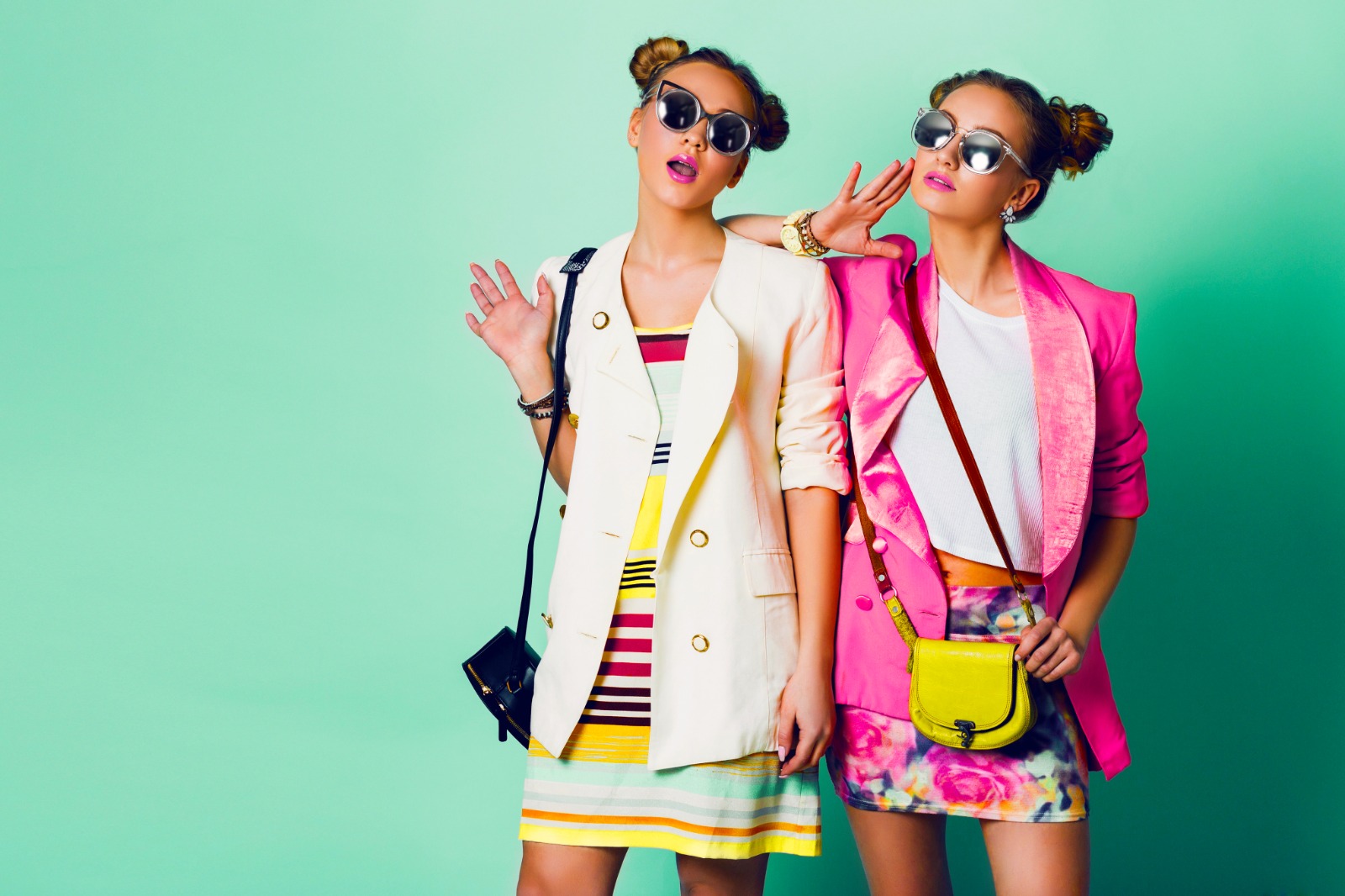
1. Understanding the Concept of Mixing and Matching
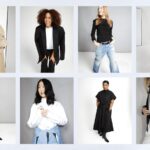
One of the smartest ways to improve your fashion style is learning how to mix and match clothes effectively. Instead of constantly buying new outfits, mixing and matching allows you to create multiple stylish looks using the same clothing pieces. This approach not only saves money but also helps build a more organized and practical wardrobe.
Mixing and matching is about combining different clothing items to create fresh outfit combinations. When done correctly, even a small wardrobe can produce many stylish outfits. The key is selecting versatile clothing pieces that complement each other.
For example, a single pair of jeans can be paired with several different tops such as t-shirts, shirts, sweaters, or jackets. Each combination creates a different style while using the same base clothing item.
This concept is also commonly used in capsule wardrobes. A capsule wardrobe focuses on owning fewer clothing items that can be combined in many ways. This method reduces clutter and makes everyday dressing easier.
Another benefit of mixing and matching is creativity. It allows you to experiment with different outfit combinations without needing a large wardrobe. By rearranging clothing pieces in new ways, you can create stylish looks for different occasions.
Ultimately, mastering the art of mixing and matching helps you maximize your wardrobe while maintaining a fashionable and versatile personal style.
2. Build Your Wardrobe with Versatile Basics
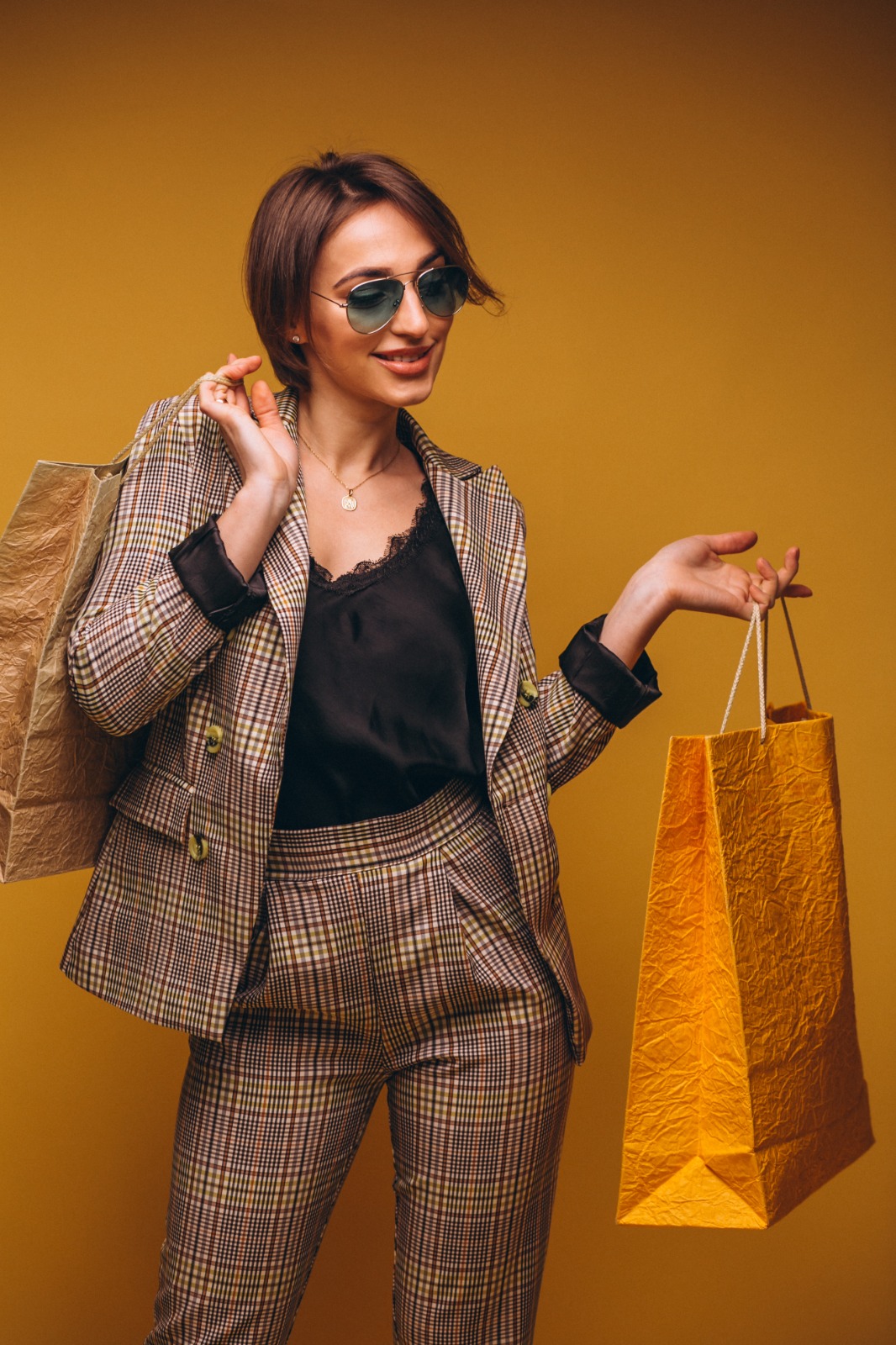
The foundation of mixing and matching clothing is owning versatile wardrobe basics. These clothing items serve as the base for creating multiple outfit combinations.
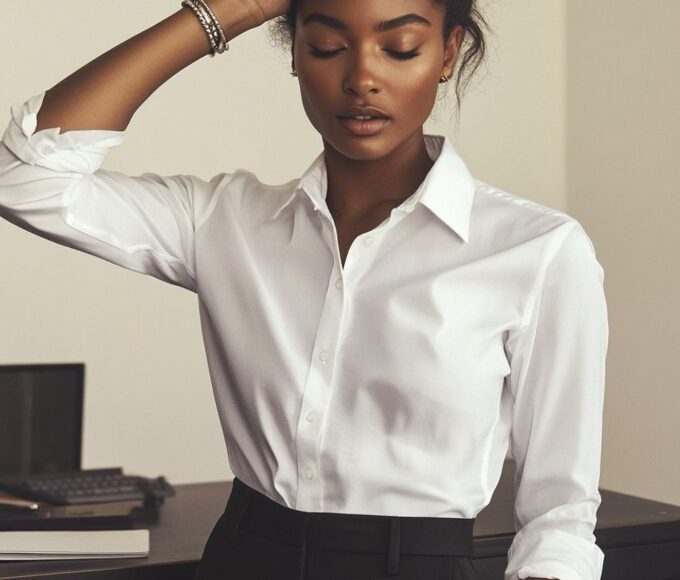
Classic pieces such as white shirts, neutral t-shirts, denim jeans, and black trousers are excellent wardrobe staples. Because of their simple design, they can be paired with many other clothing items.
For example, a white shirt can be worn with jeans for a casual outfit or paired with formal trousers for a more professional look. Similarly, denim jeans can be combined with t-shirts, sweaters, or blazers depending on the occasion.
Blazers and lightweight jackets are also valuable wardrobe additions. They can instantly transform a simple outfit into something more polished.
Another important wardrobe basic is a neutral sweater. Sweaters can be layered over shirts or worn alone to create comfortable yet stylish outfits.
Footwear should also be versatile. White sneakers work well with casual outfits, while leather shoes or boots can add sophistication to your look.
By focusing on versatile basics, you create a wardrobe where most clothing pieces can be easily mixed and matched.
3. Use a Coordinated Color Palette
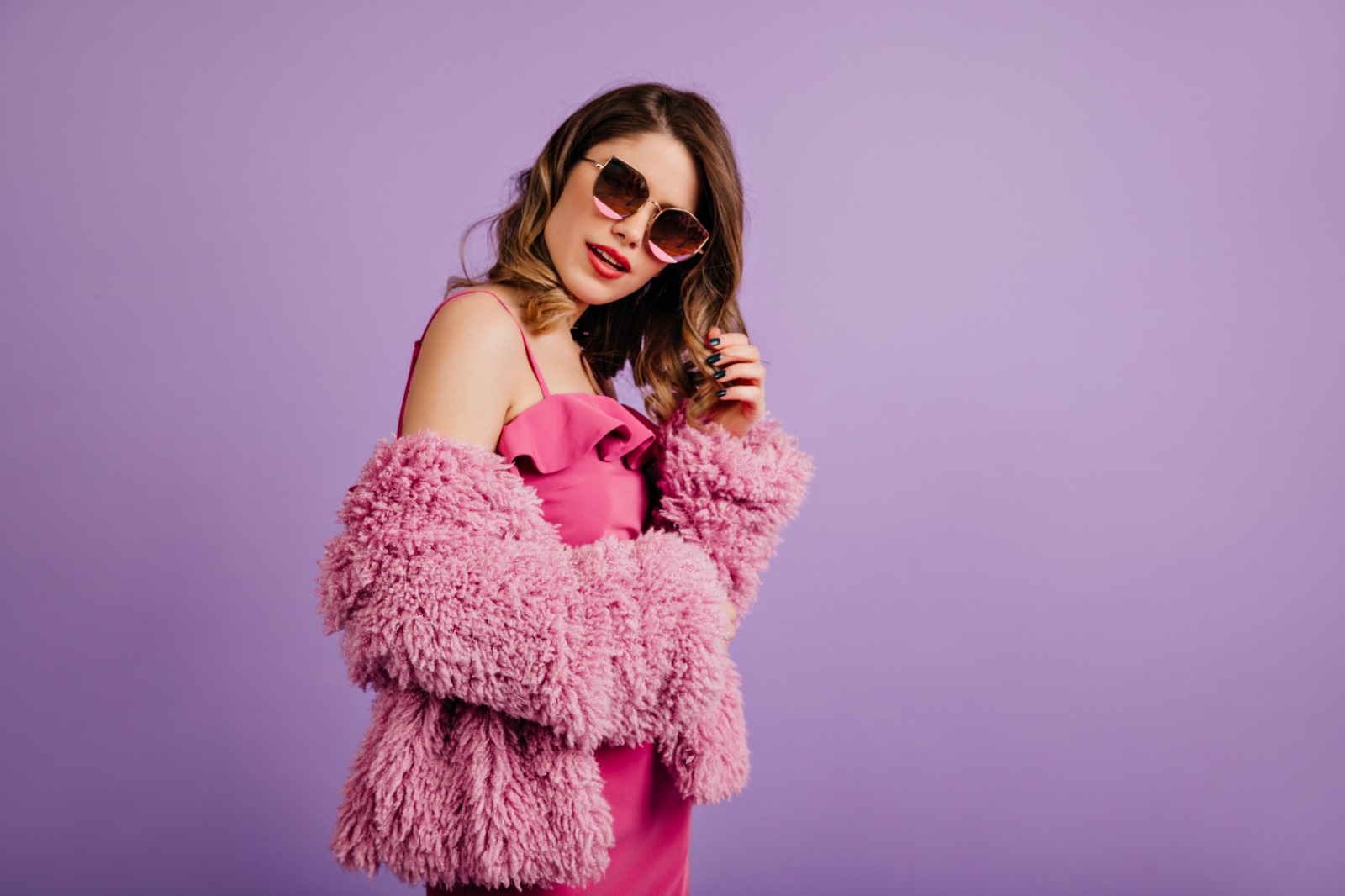
Color coordination plays a major role in successful outfit combinations. When your wardrobe follows a consistent color palette, mixing and matching becomes much easier.
Neutral colors such as black, white, gray, navy, and beige are ideal for creating versatile outfits. These colors complement each other and can be combined in many ways.
For example, black trousers can be paired with a white shirt, gray sweater, or navy jacket. Because neutral colors work well together, they allow for effortless outfit combinations.
Adding a few accent colors can also create visual interest. Colors like olive green, burgundy, or soft blue can enhance your wardrobe without making outfit coordination difficult.
Patterns should remain simple and subtle. Designs such as stripes or small checks tend to remain stylish while still being easy to combine with other clothing items.
Maintaining a balanced color palette helps ensure that most pieces in your wardrobe can work together harmoniously.
4. Layer Clothing to Create New Outfit Styles
Layering is one of the most effective techniques for creating multiple outfits from the same clothing pieces. By adding or removing layers, you can transform a simple outfit into several different looks.
For example, a basic t-shirt can be worn alone for a casual outfit. When paired with a blazer or jacket, the same t-shirt becomes part of a smart-casual look.
Shirts can also be layered under sweaters to create a more structured appearance. This combination works well in both professional and casual environments.
Outerwear such as trench coats, denim jackets, or lightweight coats can also change the style of an outfit. Adding a coat can instantly make an outfit appear more sophisticated.
Layering is also practical for adjusting outfits to different weather conditions. During colder seasons, sweaters and jackets provide warmth while maintaining style.
By experimenting with layers, you can create multiple outfit variations using the same core clothing pieces.
5. Use Accessories to Transform Your Outfits
Accessories are powerful tools for transforming outfits. Even a simple clothing combination can look completely different when paired with the right accessories.
A classic wristwatch is one of the most versatile accessories. It adds sophistication to both casual and formal outfits.
Belts are also useful for enhancing outfits. A quality leather belt can complement trousers or jeans while adding structure to your look.
Sunglasses can add personality and style to everyday outfits. They are both practical and fashionable.
Bags and backpacks can also influence the overall style of an outfit. A sleek handbag or structured backpack can make a simple outfit appear more polished.
Scarves, hats, and jewelry are additional accessories that can help create different outfit styles.
The key to using accessories is balance. A few carefully selected accessories can enhance your outfit without overwhelming it.
Learning how to mix and match clothes is one of the most valuable fashion skills. By focusing on versatile basics, maintaining a coordinated color palette, experimenting with layering, and using accessories creatively, you can create many stylish outfits without needing a large wardrobe.
This approach not only saves money but also allows you to enjoy a more organized and flexible personal style.