

1. Understand Your Personality and Lifestyle
Creating a fashion style that reflects your personality begins with understanding who you are and how you live your daily life. Fashion is not only about following trends or wearing expensive clothing. Instead, it is a powerful form of self-expression that allows you to communicate your identity, mood, and preferences through what you wear.
Your personal style should match your lifestyle. For example, someone working in a professional office environment may prefer a more polished and structured wardrobe, while someone with a creative or casual lifestyle may enjoy relaxed and expressive outfits.
Another important factor is comfort. Clothing that reflects your personality should also make you feel comfortable and confident. If you constantly wear clothing that feels unnatural or uncomfortable, it may not truly represent who you are.
You can start by identifying the types of clothing you naturally gravitate toward. Do you prefer minimal outfits, sporty looks, classic fashion, or bold statement pieces? Observing your preferences can help define your personal style.
Fashion inspiration can also be helpful. Looking at fashion magazines, social media, or style blogs can help you discover styles that resonate with you. Over time, you can combine elements from different inspirations to create a look that feels uniquely yours.
Ultimately, understanding your personality and lifestyle helps you build a wardrobe that feels authentic and meaningful.
2. Identify Your Preferred Colors and Clothing Types
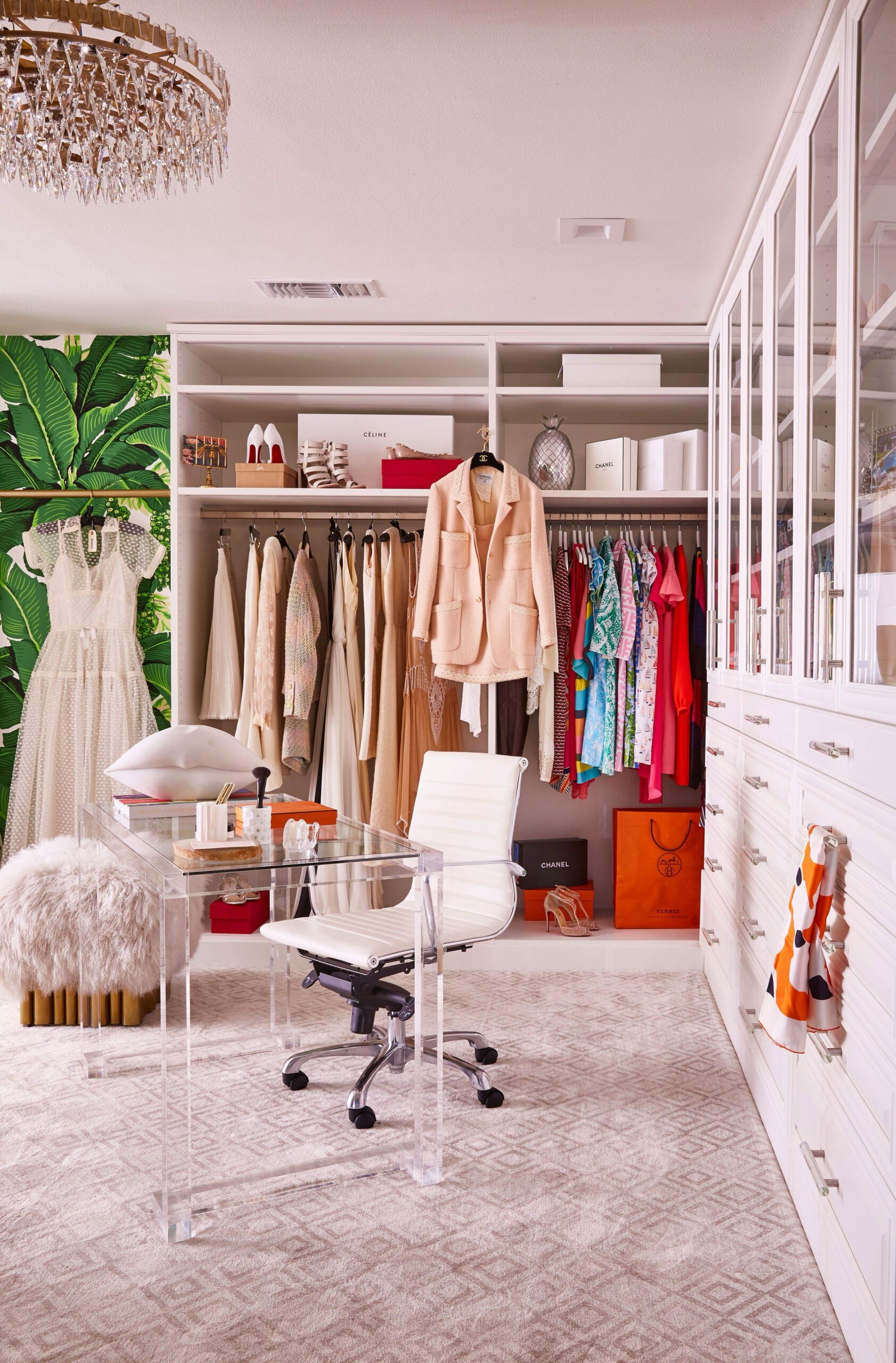
One of the most effective ways to create a personal fashion style is by identifying the colors and clothing types that suit you best. Colors can influence how outfits look and how confident you feel wearing them.
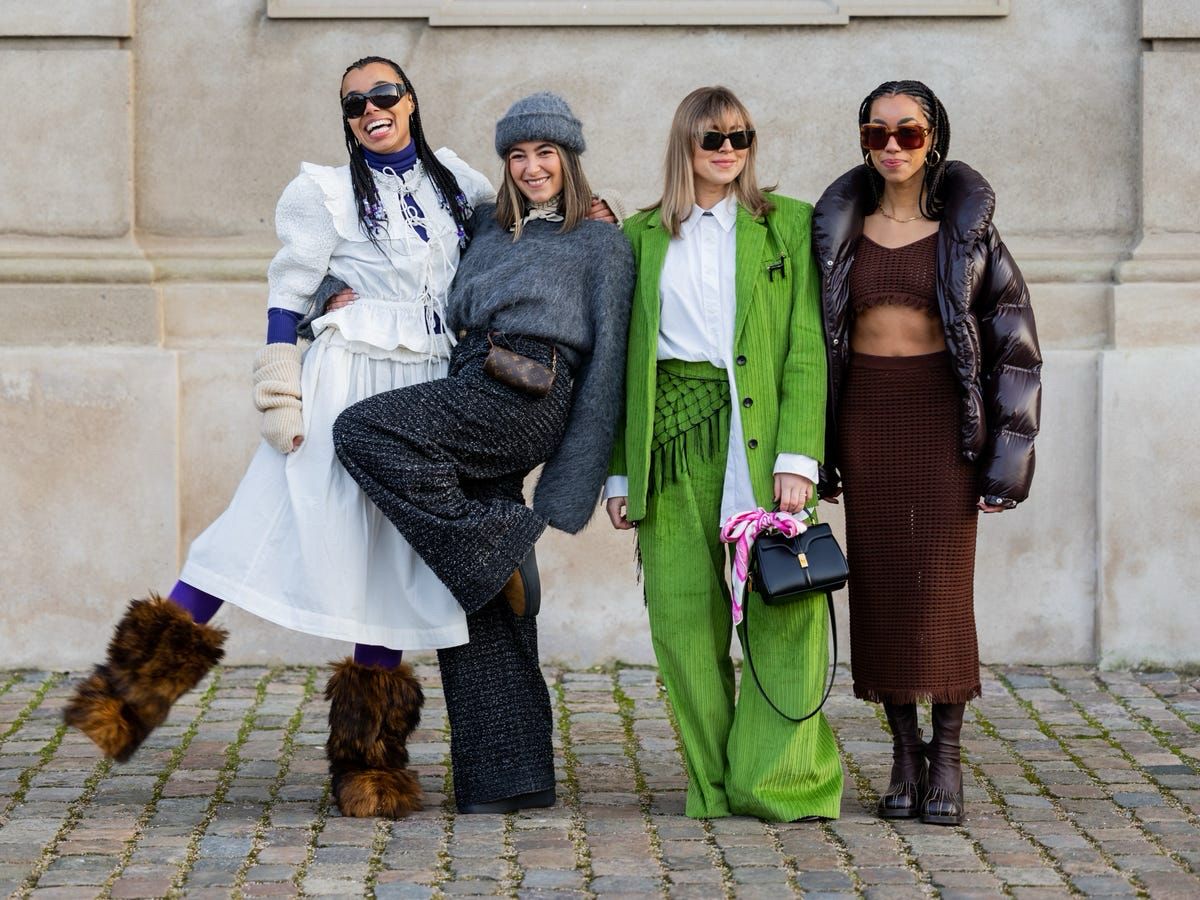
Some people naturally gravitate toward neutral tones such as black, white, gray, navy, or beige. These colors create a minimalist and sophisticated appearance. Others may prefer brighter or bolder colors that express creativity and individuality.
Choosing a consistent color palette helps make outfit combinations easier. When most of your clothing follows a similar color scheme, mixing and matching becomes simple and efficient.
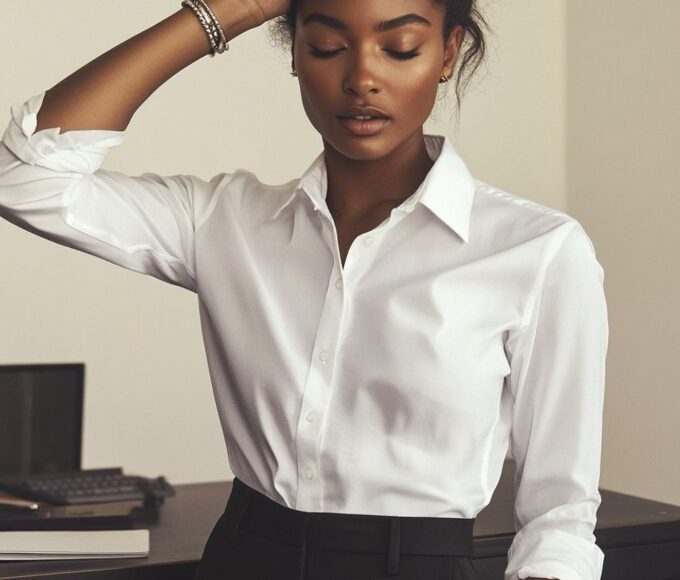
Clothing types also play an important role in personal style. For example, if you prefer a classic style, items such as blazers, button-down shirts, and tailored trousers may become key pieces in your wardrobe.
If your personality is more relaxed and casual, you may prefer comfortable clothing such as jeans, sneakers, and oversized sweaters.
The goal is to identify clothing items that make you feel confident and comfortable while still representing your personality.
Over time, your wardrobe will naturally develop a recognizable style that reflects who you are.
3. Build a Wardrobe Around Signature Pieces
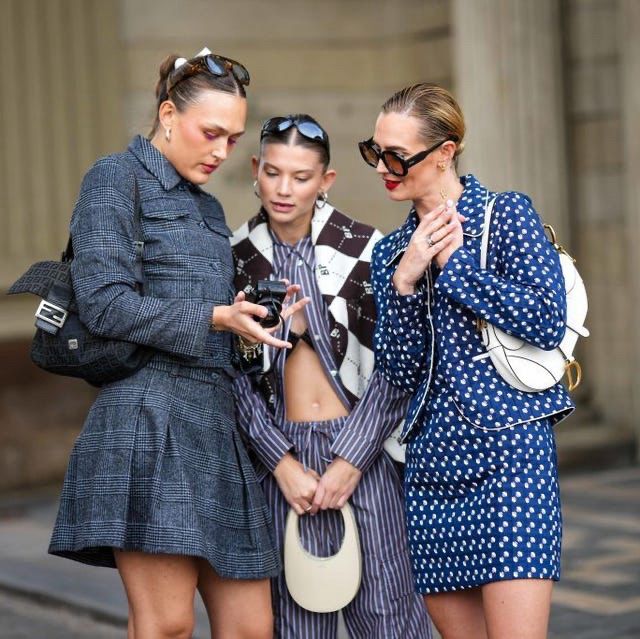
Signature pieces are clothing items that define your personal style. These pieces help create a unique identity and make your outfits more recognizable.
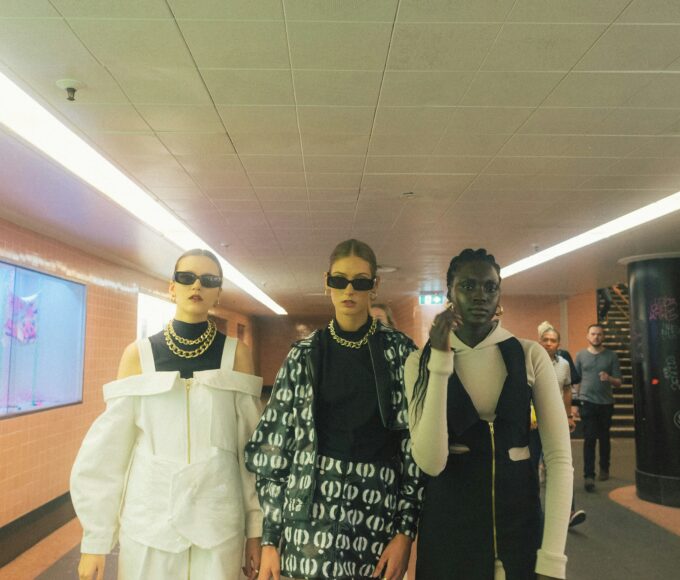
For example, some people may be known for wearing stylish blazers, bold jackets, or distinctive accessories. Others may develop a signature look through specific colors or clothing combinations.
Signature pieces do not need to be extravagant. Even simple items such as a classic leather jacket, unique sneakers, or a particular type of hat can become part of your signature style.
The key is consistency. When certain elements appear regularly in your outfits, they become associated with your personal style.
Building your wardrobe around signature pieces also helps simplify fashion decisions. When you know which items define your style, it becomes easier to create outfits that feel authentic.
Signature pieces add personality to your wardrobe and help distinguish your style from others.
4. Experiment with Different Styles
Developing a personal fashion style often involves experimentation. Trying different clothing combinations allows you to discover what works best for you.
Fashion experimentation does not mean completely changing your wardrobe. Instead, it involves gradually introducing new elements such as different colors, patterns, or accessories.
For example, if you usually wear neutral clothing, you might experiment with adding a colorful jacket or patterned shirt. Small changes can help you discover new style preferences.
Layering clothing is another way to experiment with fashion. Combining shirts, jackets, sweaters, and accessories can create unique outfit variations.
Observing how different outfits make you feel is also important. Clothing that boosts your confidence and comfort is more likely to become part of your personal style.
Experimentation allows you to refine your fashion choices and gradually develop a distinctive look.
5. Express Confidence Through Your Style
Confidence is one of the most important elements of personal style. The way you carry yourself often influences how others perceive your outfit.
When you feel confident in your clothing, it naturally enhances your overall appearance. Confidence allows you to express your personality freely without worrying about fitting into trends or expectations.
Good posture and body language also contribute to stylish presentation. Standing upright and moving comfortably helps highlight the effort you put into your outfit.
Another important factor is authenticity. Personal style should reflect your individuality rather than copying someone else’s look entirely.
Fashion is a form of self-expression, and confidence helps bring that expression to life.
By understanding your personality, choosing colors and clothing that suit you, building a wardrobe around signature pieces, experimenting with styles, and expressing confidence, you can create a fashion style that truly reflects who you are.
Your personal style becomes a visual representation of your identity—unique, authentic, and constantly evolving.