



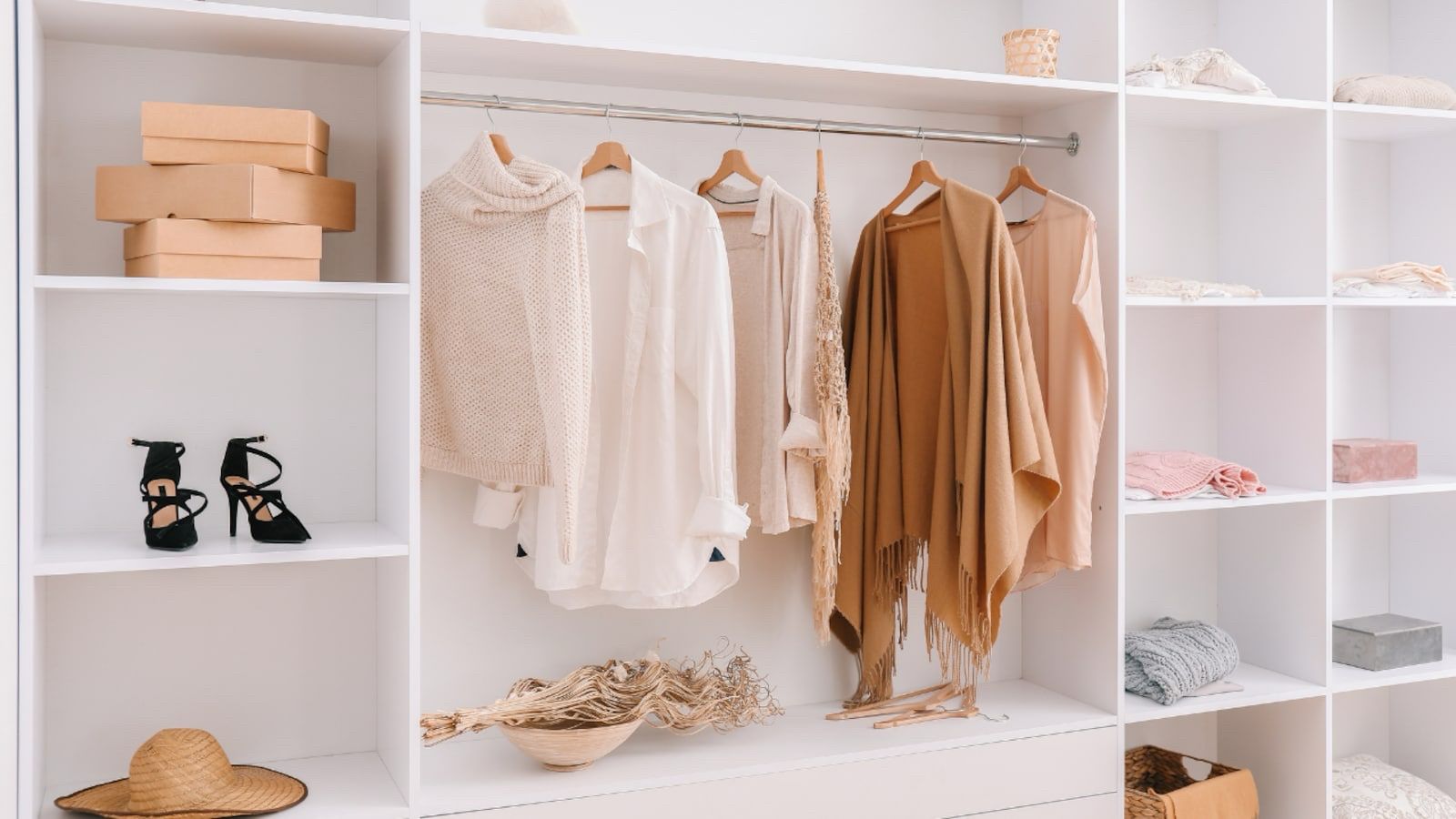
1. Understanding the Concept of a Minimal and Timeless Wardrobe
Fashion trends change quickly. One season something becomes extremely popular, and the next season it disappears from stores and social media feeds. Because of this constant change, many people end up buying clothes they only wear a few times before replacing them with something new. This cycle leads to cluttered wardrobes, wasted money, and confusion about what to wear.
A minimal wardrobe focuses on quality, versatility, and timeless style rather than following every short-term fashion trend. Instead of filling your closet with dozens of trendy items, you build a collection of classic clothing pieces that can be worn for many years and combined in different ways.
The idea behind a minimal wardrobe is simple: own fewer clothes but choose them carefully. Every item should serve a purpose, match with other pieces, and reflect your personal style. When your wardrobe is organized around timeless essentials, getting dressed becomes easier and more enjoyable.
Timeless fashion pieces are clothing items that never truly go out of style. These pieces remain popular because they are simple, elegant, and adaptable. Items like a white shirt, black trousers, denim jeans, and neutral jackets have remained stylish for decades. Designers may update their details slightly, but the basic structure stays the same.
A minimal wardrobe also encourages thoughtful shopping habits. Instead of buying impulsively, you start asking questions such as: Will I still wear this next year? Can this item match at least three other pieces I already own? Is the quality good enough to last for a long time?
By focusing on these questions, you begin building a wardrobe that feels intentional rather than random.
Another benefit of a minimal wardrobe is reduced decision fatigue. Many people experience stress when choosing what to wear every morning because their closets are filled with clothes that do not match each other. With a well-organized minimal wardrobe, most items naturally combine well, making outfit choices simple and quick.
A minimal wardrobe does not mean boring clothing. In fact, it often leads to a more polished and confident appearance. Because the clothes are carefully selected, every outfit tends to look balanced and stylish.
It also supports sustainable fashion. Buying fewer but better items reduces waste and supports brands that focus on quality rather than mass production. This approach benefits both your wallet and the environment.
Building a timeless wardrobe is not about limiting your creativity. Instead, it creates a strong foundation that allows you to express your personal style while maintaining simplicity and elegance.
2. Choosing Timeless Fashion Pieces That Never Go Out of Style
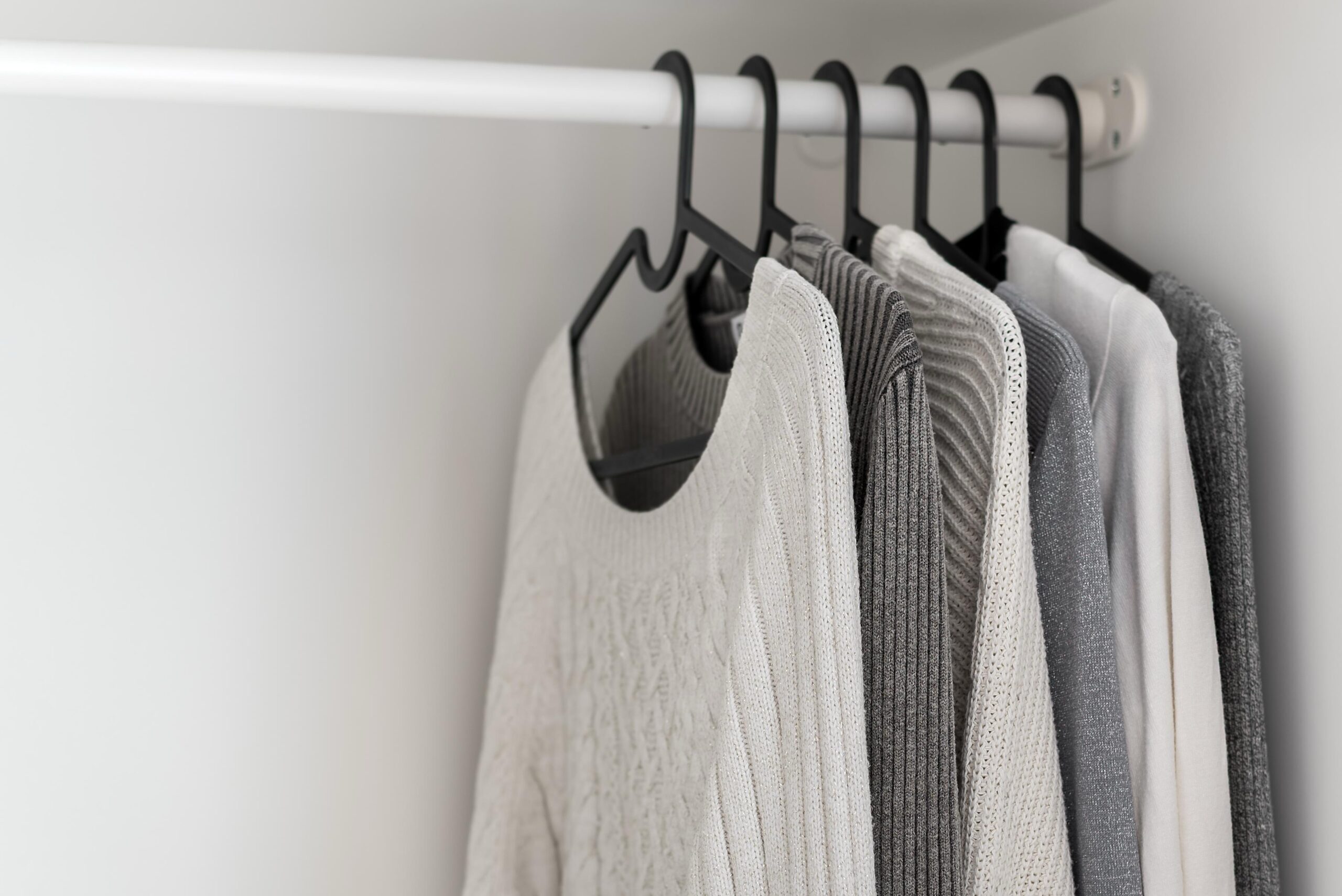
The foundation of a stylish minimal wardrobe lies in selecting clothing items that remain fashionable regardless of changing trends. These pieces form the backbone of your wardrobe and can be styled in multiple ways.
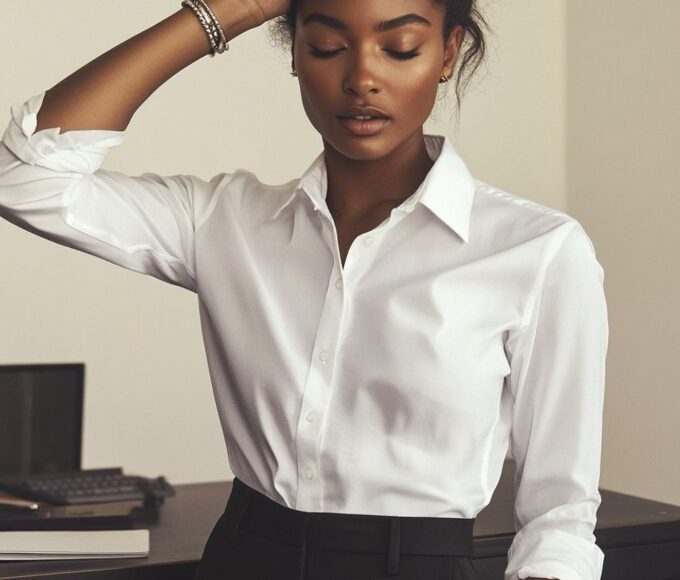
One of the most important timeless pieces is the classic white shirt. A well-fitted white shirt works in almost every situation. It can be worn in professional environments, casual outings, or even formal events when paired with the right accessories. Its simplicity makes it incredibly versatile.
Another essential item is a pair of high-quality denim jeans. Jeans have been a fashion staple for decades because they combine comfort and style. A classic straight-leg or slim-fit design tends to remain fashionable longer than overly trendy cuts.
Neutral colored trousers are also an important part of a minimal wardrobe. Black, navy, beige, and gray trousers can be paired with a wide variety of tops and jackets. These colors are easy to combine and create polished outfits suitable for work or social events.
A well-tailored blazer is another timeless piece that instantly elevates an outfit. Whether worn with jeans or formal trousers, a blazer adds structure and sophistication to your look. Neutral shades such as black, navy, or gray provide the most versatility.
Outerwear also plays a crucial role in a timeless wardrobe. A classic trench coat or a simple wool coat never goes out of style. These coats are practical during colder seasons while maintaining an elegant appearance.
Footwear should also follow the same timeless principle. Instead of owning many trendy shoes, it is better to invest in a few high-quality pairs. White sneakers, leather loafers, and classic boots are examples of shoes that remain fashionable for years.
Accessories should remain simple and functional. Minimal watches, leather belts, and neutral handbags complement most outfits without overpowering them.
Another important factor when choosing timeless fashion pieces is fit. Even the most classic clothing item will not look good if it does not fit properly. Clothing that fits well enhances your appearance and boosts confidence.
Quality fabrics also make a significant difference. Natural materials like cotton, wool, linen, and leather tend to last longer and age better than cheaper synthetic fabrics.
When selecting timeless pieces, focus on versatility. Every item should be able to combine with multiple other pieces in your wardrobe. This allows you to create many outfits with a limited number of clothes.
By carefully selecting these essential items, you begin building a wardrobe that remains stylish regardless of changing trends.
3. Building a Color Palette for a Versatile Wardrobe

One of the secrets to a successful minimal wardrobe is choosing a consistent color palette. A well-planned color scheme ensures that most of your clothes match each other, allowing you to create many outfits without owning a large number of items.
Neutral colors form the base of a timeless wardrobe. Colors such as black, white, gray, navy, and beige are incredibly versatile and rarely go out of style. These shades work well together and can easily be paired with other colors.
Starting with neutral colors helps create a strong foundation. For example, black trousers can be worn with a white shirt, gray sweater, or beige jacket. Because these colors are compatible, outfit combinations become effortless.
After establishing a neutral base, you can introduce a few accent colors. Accent colors add personality and prevent the wardrobe from looking too plain. Popular accent shades include olive green, burgundy, deep blue, and soft pastels.
The key is to limit the number of accent colors so that they still coordinate with the neutral pieces. When done correctly, every item in your wardrobe will work with several others.
Patterns should also be chosen carefully. Simple patterns such as stripes, subtle checks, or minimal textures often remain stylish longer than bold, complex designs.
Seasonal adjustments can also be made within the same color palette. Lighter shades like beige and light gray often work well during warmer months, while darker tones like navy and charcoal suit colder seasons.
A consistent color palette also simplifies shopping decisions. When you know which colors dominate your wardrobe, it becomes easier to select new pieces that match existing items.
This approach reduces the risk of buying clothes that only match one outfit. Instead, every new addition expands the number of outfit combinations available.
Another advantage of a cohesive color palette is a more polished overall appearance. Outfits tend to look balanced and intentional rather than random.
Ultimately, building a thoughtful color palette allows your wardrobe to remain both minimal and stylish while offering endless outfit possibilities.
4. Smart Shopping Strategies for a Minimal Wardrobe
Building a minimal wardrobe requires a shift in the way you shop for clothing. Instead of buying frequently and impulsively, the focus should be on thoughtful purchasing decisions.
One effective strategy is the “quality over quantity” approach. Investing in fewer but higher-quality items often saves money in the long run. Well-made clothes last longer and maintain their appearance after many washes.
Before buying a new item, consider how often you will realistically wear it. If a piece can only be worn on rare occasions, it may not be a practical addition to a minimal wardrobe.
Another helpful strategy is the “three outfit rule.” Before purchasing something new, imagine at least three outfits you can create with items you already own. If you cannot easily think of three combinations, the item may not be versatile enough.
Avoid shopping purely based on trends. While trends can be fun, many of them fade quickly. Instead, prioritize items that have remained fashionable for many years.
It is also useful to evaluate your wardrobe regularly. Removing items that no longer fit or suit your style helps maintain a clean and organized closet.
Shopping during seasonal sales can also be a smart strategy when looking for high-quality timeless pieces. Many classic items such as coats, sweaters, and shoes can often be found at discounted prices during end-of-season sales.
Trying on clothing before purchasing is important whenever possible. Comfort and fit play a significant role in how often an item will be worn.
Online shopping can also work well if you know your measurements and preferred brands. However, reading reviews and checking return policies is important to avoid disappointment.
Building a minimal wardrobe takes time. Instead of rushing the process, allow your wardrobe to evolve gradually as you discover what styles work best for you.
By practicing thoughtful shopping habits, you create a wardrobe that reflects your personal style while remaining practical and timeless.
5. Maintaining and Styling Your Minimal Wardrobe
Once you have built a minimal wardrobe, maintaining it properly ensures that your clothing continues to look stylish and last for many years.
Proper clothing care is essential. Washing garments according to their care labels helps prevent damage and fading. Delicate fabrics may require hand washing or special cleaning methods.
Storage also plays an important role in preserving clothing quality. Using proper hangers, folding knitwear carefully, and keeping shoes in appropriate storage spaces helps maintain their shape.
Regular wardrobe organization keeps your closet functional. Arranging clothes by category or color makes it easier to see what you own and plan outfits.
Another important aspect of maintaining a minimal wardrobe is outfit creativity. Because the wardrobe contains fewer items, learning to combine them in different ways becomes essential.
Layering is one effective styling technique. For example, a basic white shirt can be worn alone, under a sweater, or paired with a blazer to create completely different looks.
Accessories can also transform an outfit. A simple belt, watch, or scarf can change the overall appearance of a look without requiring additional clothing.
Seasonal adjustments can keep your wardrobe feeling fresh. During warmer months, lightweight fabrics and lighter colors can dominate your outfits. In colder seasons, layering with jackets and sweaters adds warmth and style.
Occasionally reviewing your wardrobe ensures it continues to reflect your lifestyle and preferences. As your career, environment, or interests change, your clothing needs may evolve as well.
A minimal wardrobe also encourages confidence. Because each item has been chosen carefully, you can trust that most outfit combinations will look good.
Over time, this approach simplifies daily routines, reduces clutter, and allows you to focus on quality rather than quantity.
Ultimately, building and maintaining a stylish minimal wardrobe is about creating a balanced relationship with fashion. By choosing timeless pieces, maintaining thoughtful shopping habits, and styling creatively, you can enjoy a wardrobe that remains elegant, functional, and relevant for many years.