




A New Era of Digital Entertainment
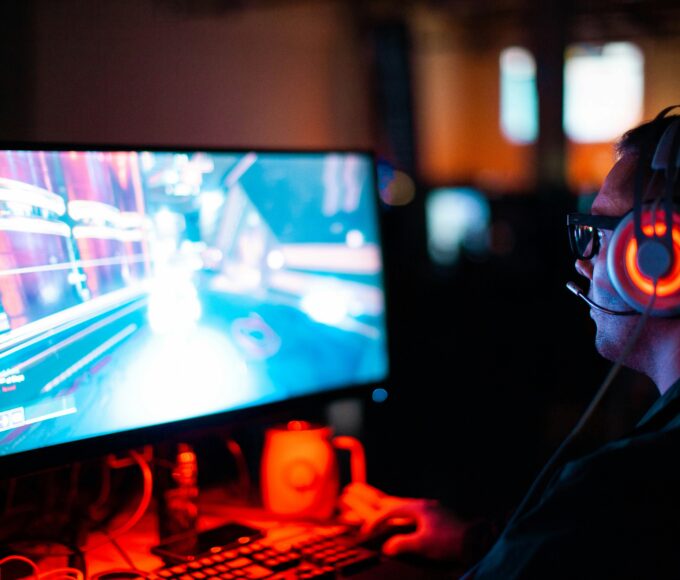
Entertainment has evolved dramatically over the years, moving from traditional forms like television and movies to more interactive and engaging digital experiences. Among all forms of modern entertainment, gaming has emerged as one of the most powerful and influential industries. It is no longer just about playing games—it is about experiencing stories, connecting with people, and engaging in immersive worlds.
Modern gaming combines technology, creativity, and innovation to deliver experiences that go beyond passive entertainment. Unlike watching a movie or a TV show, gaming allows users to actively participate, make decisions, and influence outcomes.
With the rise of digital platforms, high-speed internet, and advanced devices, gaming has become more accessible and widespread. People of all ages now engage in gaming as a primary form of entertainment.
In this blog, we will explore how modern gaming is changing entertainment and redefining how people interact with digital content.
Interactive and Immersive Experiences
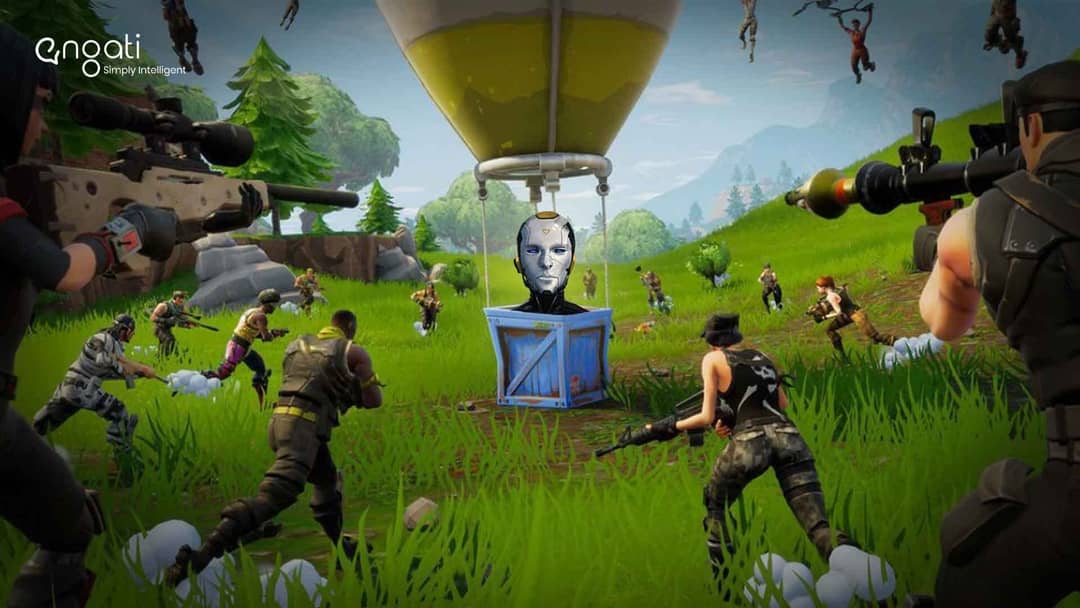
One of the biggest ways gaming is changing entertainment is through interactivity. Unlike traditional media, where the audience only watches, gaming allows players to become part of the experience.
Modern games offer immersive environments with realistic graphics, sound effects, and storytelling. Players can explore virtual worlds, complete missions, and make choices that affect the outcome of the game.
This level of interaction creates a deeper emotional connection. Players feel more involved because they are actively participating rather than just observing.
Immersive experiences make gaming more engaging and enjoyable, setting it apart from other forms of entertainment.
The Rise of Streaming and Content Creation
Gaming has also changed entertainment through streaming and content creation. Platforms like YouTube and live streaming services have turned gaming into a form of digital content.
Gamers can now stream their gameplay live, interact with audiences, and build communities. This has created a new form of entertainment where people watch others play games.
Content creators share tutorials, gameplay highlights, and reviews, making gaming more accessible and informative.
This trend has also created career opportunities. Many gamers earn income through streaming, sponsorships, and content creation.
Gaming is no longer just about playing—it is also about creating and sharing experiences.
Social Gaming and Global Connectivity
Modern gaming has transformed into a social experience. Multiplayer games allow players to connect with others from different parts of the world.
Players can communicate, collaborate, and compete in real time. This creates a sense of community and teamwork.
Gaming has become a way to socialize, especially for people who may not be able to meet in person. It allows individuals to build friendships and share experiences.
Online communities also provide a platform for discussion, learning, and collaboration.
This level of connectivity has made gaming a global form of entertainment.
Gaming as a Professional Industry
Gaming has grown into a professional industry with significant economic impact. Esports, in particular, has turned gaming into a competitive sport.
Professional players compete in tournaments with large audiences and prize money. These events are broadcast worldwide, attracting millions of viewers.
The gaming industry also includes careers in game development, design, marketing, and content creation.
This growth has made gaming a serious career option for many individuals.
Gaming is no longer just entertainment—it is a global industry with real opportunities.
The Future of Entertainment Through Gaming
The future of entertainment is closely tied to gaming. As technology continues to evolve, gaming experiences will become even more advanced and immersive.
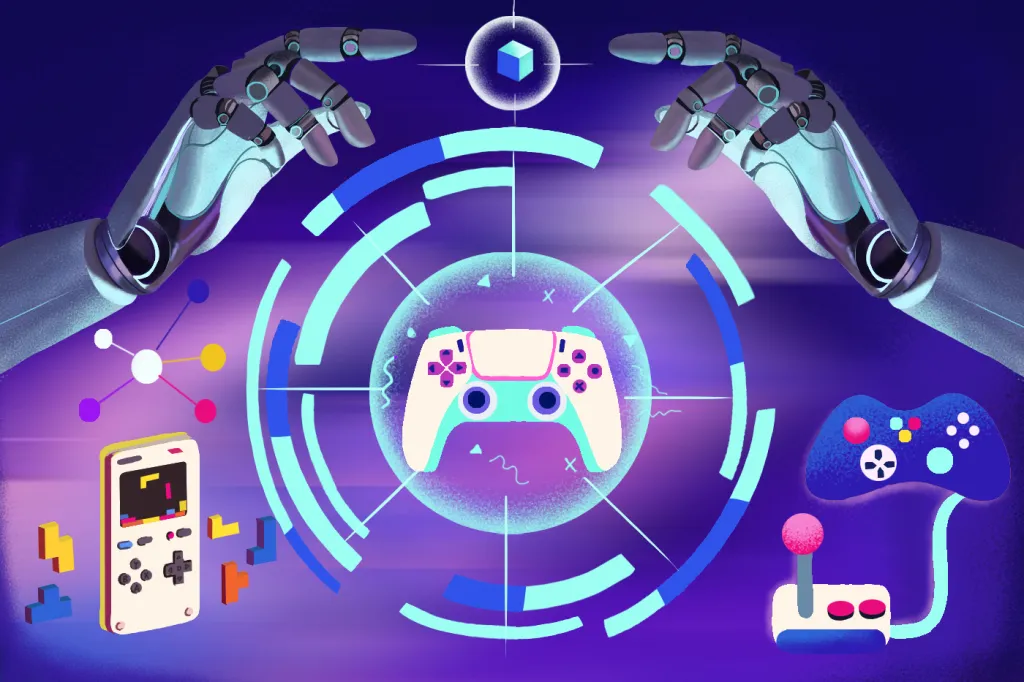
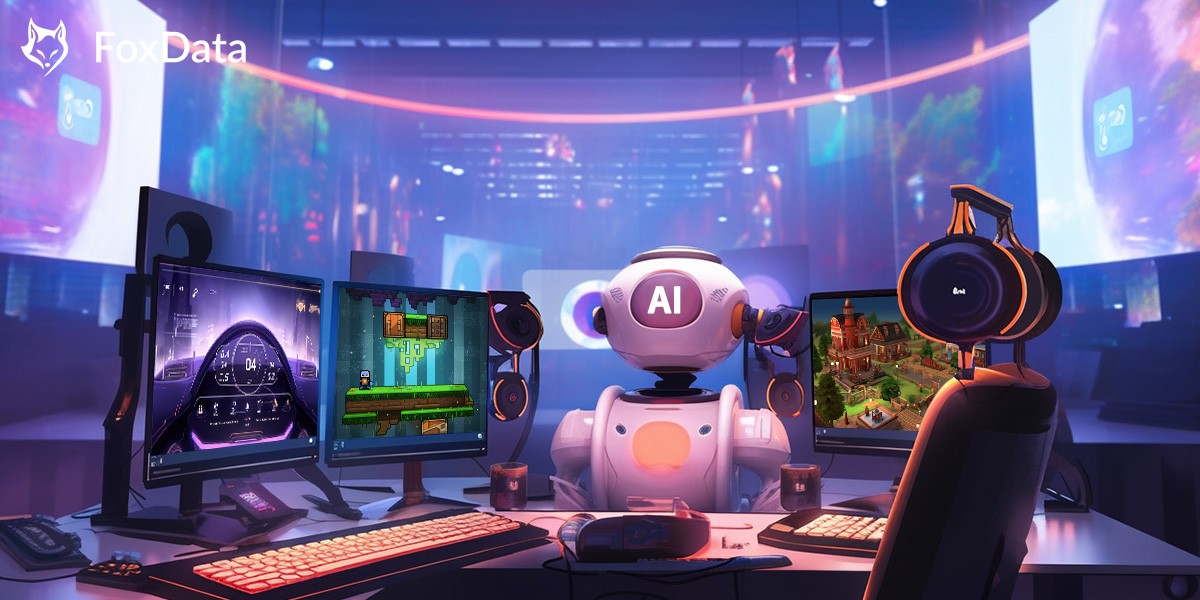
Technologies like artificial intelligence, virtual reality, and cloud gaming will continue to shape the industry. These innovations will create new ways to interact with digital content.
Cross-platform gaming will allow players to connect across different devices, making gaming more accessible.
Entertainment will become more personalized, with games adapting to individual preferences and behaviors.
The line between gaming and other forms of entertainment will continue to blur, creating a unified digital experience.