






A Technological Transformation
Advanced technology has become a defining feature of modern society. From smartphones and artificial intelligence to automation and digital platforms, technology is influencing every aspect of human life. It has transformed how people communicate, work, learn, and interact with the world.
In today’s digital age, technology is not just a tool—it is a driving force behind progress and innovation. It has created new opportunities, improved efficiency, and made life more convenient. At the same time, it has introduced challenges that society must address.
Modern society is now more connected and dependent on technology than ever before. Understanding its impact helps us adapt and make better use of these advancements.
In this blog, we will explore how advanced technology is shaping modern society and influencing different areas of life.
Communication and Global Connectivity
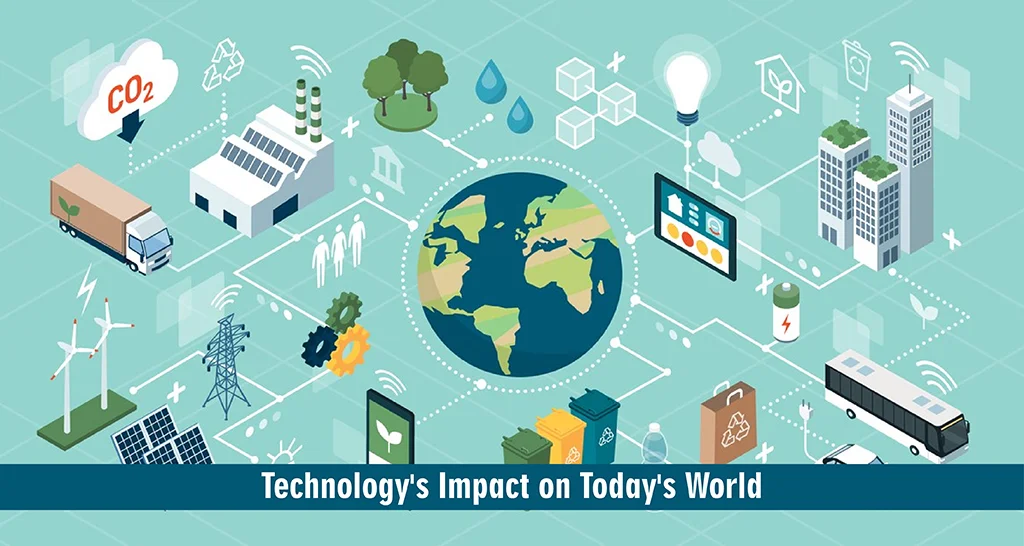
One of the most significant impacts of advanced technology is on communication. It has made it possible for people to connect instantly across the world.
Digital platforms such as messaging apps, video calls, and social media allow real-time interaction. This has reduced distances and created a global network.
People can now share information quickly and stay updated with events happening anywhere in the world.
This level of connectivity has improved collaboration, education, and business opportunities.
However, it also requires responsible use to ensure privacy and avoid misuse.
Changes in Work and Economic Growth
Technology has transformed the way people work and how economies function. Businesses are adopting digital tools to improve efficiency and productivity.
Automation has reduced manual work and increased output. This helps organizations operate faster and more accurately.
Remote work has become more common, allowing employees to work from different locations. This has improved flexibility and work-life balance.
Technology has also created new industries and job opportunities, especially in fields like IT, digital marketing, and data analysis.
At the same time, it requires individuals to continuously learn new skills to stay relevant.
Education and Access to Knowledge
Advanced technology has revolutionized education. Learning is no longer limited to classrooms—students can access information from anywhere.
Online learning platforms provide courses, tutorials, and resources that help individuals learn new skills.
Digital tools make education more interactive and engaging. Videos, simulations, and virtual classes improve understanding.
Technology has also made education more accessible, allowing people from different backgrounds to learn and grow.
This has created opportunities for lifelong learning and personal development.
Lifestyle Changes and Daily Convenience
Technology has significantly changed daily life. Tasks that once required time and effort can now be completed quickly using digital tools.
Online shopping, digital payments, and mobile apps have made everyday activities more convenient.
Smart devices help manage homes, track health, and organize daily routines.
Entertainment has also become digital, with streaming services offering a wide range of content.
These changes have improved comfort and efficiency in daily life.
Challenges and Social Impact
While technology offers many benefits, it also brings challenges that society must address.
Data privacy and cybersecurity are major concerns. As more information is stored online, protecting it becomes essential.
Overdependence on technology can affect mental and physical health. People may spend too much time on screens and reduce physical activity.
Automation may lead to job displacement in certain sectors, requiring individuals to adapt and learn new skills.
Ethical issues also arise, especially in areas like artificial intelligence and data usage.
Balancing the benefits and challenges of technology is important for a sustainable future.