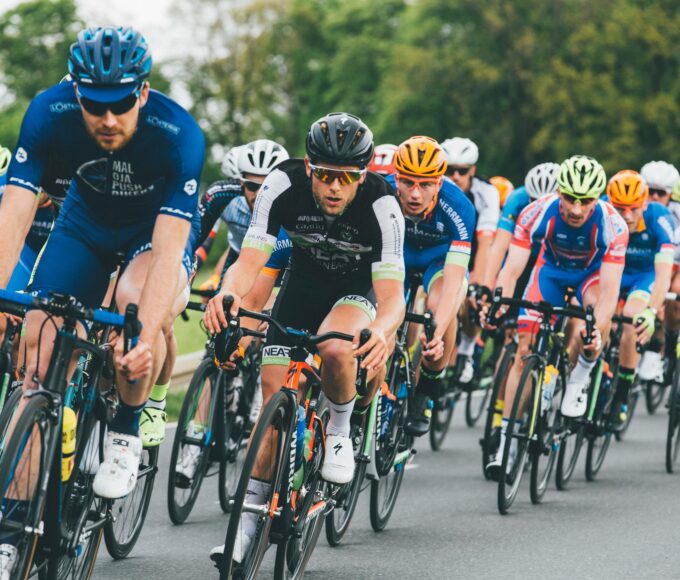






Sports as a Way of Life
Sports are more than just physical activities or games—they are a powerful tool for shaping discipline and improving daily life. In today’s fast-moving world, where distractions are everywhere, maintaining discipline can be difficult. Sports provide a structured and practical way to develop this essential quality.
Discipline is the ability to stay consistent, follow routines, and remain focused on goals. It plays a crucial role in achieving success in any area of life. Sports naturally build discipline through regular practice, rules, and commitment.
At the same time, sports influence daily habits and lifestyle. They encourage individuals to stay active, organized, and mentally strong. The lessons learned through sports extend beyond the field and impact everyday behavior.
In this blog, we will explore how sports influence discipline and improve daily life through habits, routines, mindset, and personal growth.
Building Discipline Through Regular Practice

One of the most important ways sports build discipline is through regular practice. Athletes must follow a consistent schedule to improve their performance.
Training requires commitment. Whether it is waking up early for practice or attending regular sessions, sports teach individuals to stay consistent.
Discipline in sports also involves following rules and respecting guidelines. Players must follow the structure of the game and listen to coaches.
Repetition is a key part of improvement. Practicing the same skills repeatedly helps build patience and focus.
Over time, this routine becomes a habit. Individuals learn that success comes from consistent effort rather than short-term actions.
This type of discipline can be applied to other areas of life, such as studies and work.
Time Management and Daily Routine
Sports help individuals manage their time effectively. Balancing sports with other responsibilities teaches the importance of planning and organization.
Athletes must manage practice sessions, rest, and other activities. This helps develop strong time management skills.
A structured routine makes daily life more organized. Individuals know how to divide their time between work, study, and physical activity.
Sports also reduce laziness by encouraging active habits. Instead of wasting time, individuals engage in productive activities.
Good time management improves efficiency and helps individuals achieve their goals.
This habit is essential for success in both personal and professional life.
Developing Mental Discipline and Focus

Sports play a major role in developing mental discipline. Athletes must stay focused during practice and competitions.
Mental discipline involves controlling emotions, staying calm under pressure, and maintaining concentration.
During games, players must make quick decisions and stay alert. This improves focus and reaction time.
Sports also teach patience. Success does not come instantly—it requires time and effort.
Handling failure is another important aspect. Losing a match or making mistakes teaches individuals how to stay positive and improve.
These qualities help individuals stay focused and disciplined in daily life.
Healthy Habits and Lifestyle Improvement
Sports encourage healthy habits that improve daily life. Individuals who play sports regularly are more likely to maintain a balanced lifestyle.
Regular physical activity keeps the body active and reduces the risk of health problems.
Sports also promote proper nutrition. Athletes often focus on healthy eating to improve performance.
Sleep patterns improve as well. Physical activity helps individuals rest better and recover.
Sports also reduce stress and improve mental well-being, creating a positive daily routine.
These habits contribute to long-term health and overall well-being.
Personal Growth and Confidence in Daily Life
Sports contribute to personal growth and confidence. Individuals develop a strong mindset through challenges and achievements.
Confidence grows as players improve their skills and achieve goals. This helps them perform better in other areas of life.
Sports also teach responsibility and accountability. Players must take ownership of their actions and performance.
Leadership skills are developed through teamwork and guidance. Some individuals take on roles where they motivate others.
These experiences help individuals become more confident, disciplined, and capable in daily life.