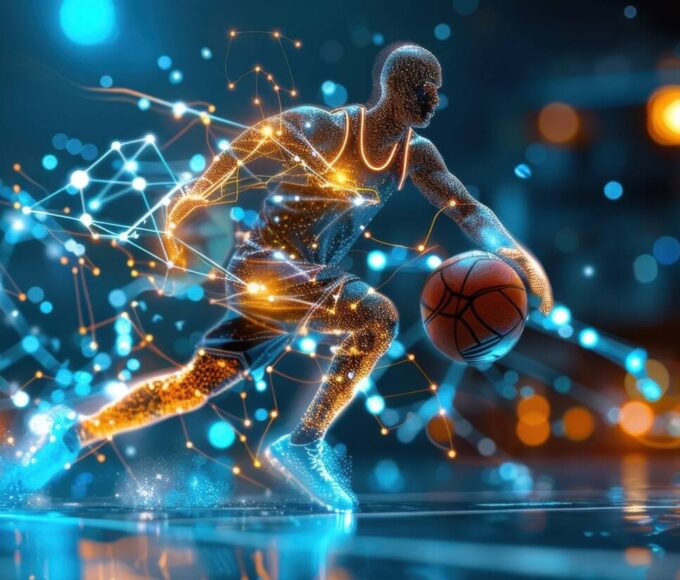






Sports have been an essential part of human civilization for centuries. From ancient competitions to modern international tournaments, sports have evolved significantly over time. They are no longer just a form of physical activity or entertainment but have become a global phenomenon that influences culture, economy, and society.
In the modern world, sports have undergone a transformation driven by technology, globalization, and changing lifestyles. What was once a simple activity played for recreation has now become a highly organized and professional industry. Athletes are treated as professionals, competitions are broadcast worldwide, and millions of fans engage with sports through various digital platforms.
The evolution of sports reflects broader changes in society. As technology advances and communication improves, sports become more accessible and inclusive. People from different backgrounds and regions can participate in and enjoy sports like never before.
This blog explores the evolution of sports in the modern world, focusing on how they have developed over time, the role of technology, the impact on society, and what the future holds.
From Traditional Games to Organized Sports

In the early days, sports were simple activities that people played for fun, fitness, and social interaction. Ancient civilizations such as Greece, Rome, and China had their own forms of games and competitions. These activities were often connected to cultural traditions and community gatherings.
Over time, sports became more structured. Rules were introduced to ensure fairness, and organized competitions began to take shape. Events such as the Olympic Games marked the beginning of organized sports on a larger scale.
In the modern era, sports have become highly professional. Governing bodies regulate competitions, establish rules, and ensure standardization. This has led to the development of leagues, tournaments, and international events.
Professional athletes now train extensively and compete at high levels. Sports have become a career for many individuals, with opportunities for recognition and financial success.
The transition from informal games to organized sports has increased the quality and competitiveness of sports. It has also made them more appealing to audiences around the world.
The Role of Technology in Modern Sports
Technology has played a major role in transforming sports. It has improved performance, enhanced viewing experiences, and increased fairness in competitions.
One of the most significant contributions of technology is in training and performance analysis. Advanced equipment and data analysis tools help athletes monitor their progress and improve their skills. Coaches can use this data to develop effective training strategies.
In competitions, technology ensures accuracy and fairness. Tools such as video replay systems and digital tracking help officials make correct decisions. This reduces errors and improves the integrity of the game.
Technology has also changed how fans experience sports. Live broadcasts, streaming services, and social media platforms allow people to watch games from anywhere in the world. Fans can follow their favorite teams and athletes in real time.
Wearable devices and fitness technology have also become popular. These tools help athletes track their health, monitor performance, and prevent injuries.
Overall, technology has made sports more efficient, fair, and engaging for both players and spectators.
Globalization and the Growth of Sports Culture
The modern world has seen the globalization of sports, making them a universal form of entertainment and competition. Events such as international tournaments bring together athletes and audiences from different countries.
Globalization has increased the popularity of sports across regions. Games that were once limited to specific areas are now played worldwide. This has created a shared sports culture that connects people from diverse backgrounds.
The rise of international leagues and competitions has also contributed to this growth. Athletes have the opportunity to compete globally, gaining recognition and experience.
Media and digital platforms play a crucial role in spreading sports culture. Fans can follow events, interact with other supporters, and stay updated with the latest developments.
Sports also promote cultural exchange. Players from different countries bring unique styles and techniques, enriching the overall experience.
The global nature of sports has made them more inclusive and accessible, allowing more people to participate and enjoy them.
The Impact of Sports on Society and Lifestyle

Sports have a significant impact on society and individual lifestyles. They contribute to physical health, mental well-being, and social development.
Participating in sports helps improve fitness, strength, and overall health. Regular physical activity reduces the risk of various health issues and promotes a healthy lifestyle.
Sports also have a positive effect on mental health. They help reduce stress, improve mood, and increase confidence. Team sports, in particular, foster social interaction and teamwork.
In society, sports play a role in bringing people together. Events and competitions create a sense of unity and shared excitement. They also promote values such as discipline, dedication, and fair play.
Sports can also inspire individuals. Successful athletes often become role models, motivating others to pursue their goals and overcome challenges.
In addition, sports contribute to the economy. They create jobs, generate revenue, and support industries such as media, tourism, and merchandising.
The influence of sports extends beyond the field, shaping lifestyles and social dynamics.
The Future of Sports in a Modern World
The future of sports is expected to be shaped by continued technological advancements and changing societal trends. Innovations in training, performance analysis, and fan engagement will continue to evolve.
Technology such as artificial intelligence and virtual reality may enhance both player training and spectator experiences. Fans may be able to interact with sports in new and immersive ways.
Sustainability is also becoming an important focus. Efforts are being made to reduce the environmental impact of sports events and promote eco-friendly practices.
Inclusivity and diversity will play a larger role in the future of sports. More opportunities will be created for people of different backgrounds, abilities, and genders.
The growth of digital platforms will continue to change how sports are consumed. Streaming services and social media will provide new ways for fans to engage with their favorite sports.
Athletes will also benefit from advancements in health and fitness technology, helping them perform better and extend their careers.
The future of sports is dynamic and full of possibilities, reflecting the ongoing evolution of society and technology.