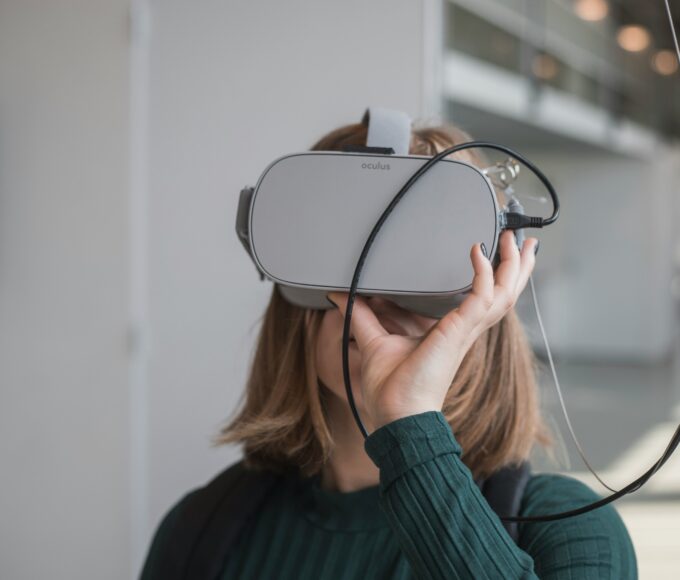






The modern world is deeply influenced by technology, shaping how we live, work, communicate, and think. The rise of modern technology in this digital era has transformed nearly every aspect of human life, creating a fast-paced and highly connected global environment. From smartphones and the internet to artificial intelligence and cloud computing, technology has become an essential part of daily routines.
The digital era is defined by the rapid exchange of information and the integration of digital tools into everyday life. People can now connect with others across the world instantly, access vast amounts of information, and perform tasks that once required significant time and effort.
Modern technology is not only about convenience; it is about transformation. It has changed industries, created new opportunities, and introduced innovative ways of solving problems. Businesses operate differently, education has become more accessible, and healthcare has improved through technological advancements.
However, the rise of technology also brings challenges. Issues such as data privacy, cybersecurity, and digital dependency must be addressed to ensure a balanced and secure digital environment.
In this blog, we will explore the rise of modern technology in the digital era, its impact on various aspects of life, and how individuals and society can adapt to this ongoing transformation.
The Evolution of Technology in the Digital Age
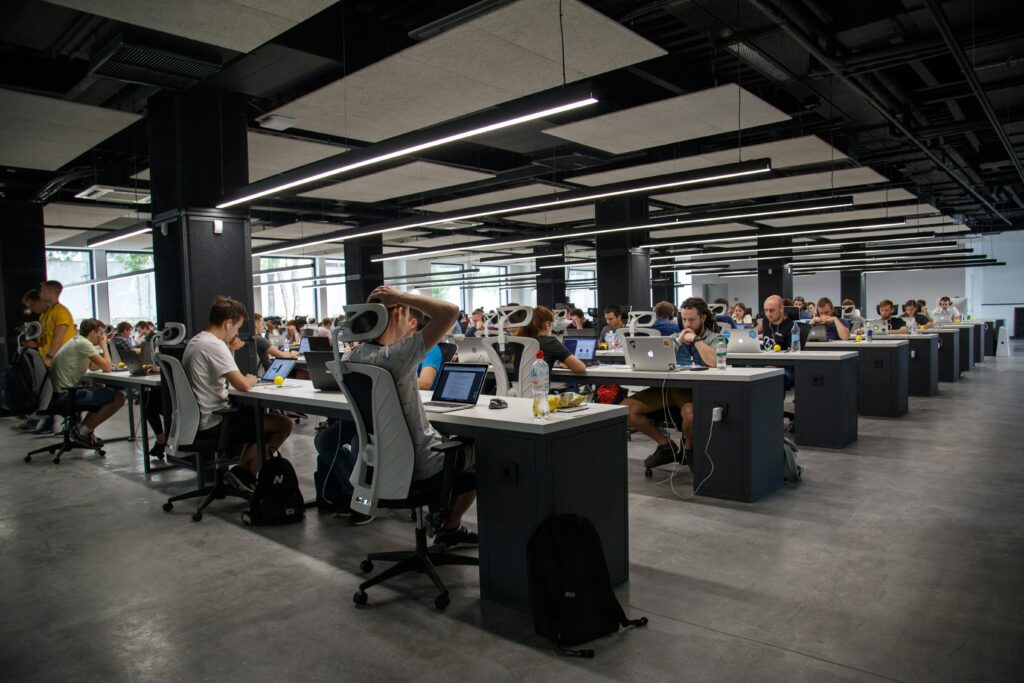
Technology has evolved significantly over time, but the digital era has accelerated this progress. The transition from analog systems to digital platforms has enabled faster communication, better data storage, and improved efficiency.
The introduction of computers marked the beginning of the digital transformation. Over time, the development of the internet revolutionized how people access information and communicate. Today, digital technology is embedded in almost every device we use.
Mobile technology has played a major role in this evolution. Smartphones have become powerful tools that combine communication, entertainment, and productivity in one device. They allow users to perform tasks such as shopping, banking, and learning with ease.
The rise of cloud computing has further enhanced digital capabilities. It allows users to store data and access applications from anywhere, making work and collaboration more flexible.
Artificial intelligence and machine learning are also key components of modern technology. These technologies enable systems to learn from data and improve performance over time, making processes smarter and more efficient.
The evolution of technology continues as new innovations emerge. Each advancement builds on previous developments, creating a continuous cycle of progress.
Impact on Communication and Connectivity
One of the most significant impacts of modern technology is on communication. The digital era has made it possible to connect with people instantly, regardless of location.
Social media platforms allow individuals to share information, ideas, and experiences with a global audience. This has changed how people interact and build relationships.
Messaging applications and video conferencing tools have made communication more efficient and accessible. People can now collaborate in real time, whether for personal or professional purposes.
The rise of digital communication has also influenced businesses. Companies can interact with customers through online platforms, provide support, and promote their services more effectively.
Global connectivity has created opportunities for cultural exchange and collaboration. People from different parts of the world can share knowledge and work together on projects.
However, increased connectivity also raises concerns about privacy and information security. Protecting personal data and maintaining secure communication channels are essential.
Despite these challenges, modern technology has made communication faster, easier, and more inclusive.
Technology in Work, Education, and Lifestyle
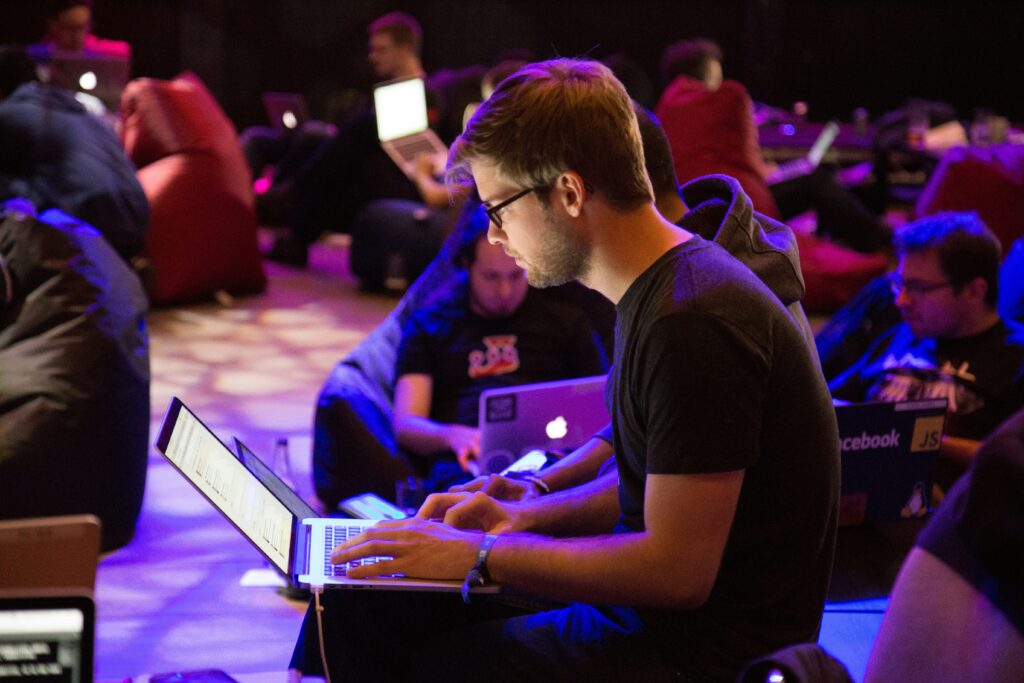
Modern technology has transformed how people work, learn, and manage their daily lives. The digital era has introduced new tools and systems that improve efficiency and flexibility.
In the workplace, technology has enabled remote work and digital collaboration. Employees can communicate, share files, and complete tasks from anywhere. This has changed traditional work environments and created new opportunities.
Automation and digital tools have improved productivity by handling repetitive tasks. This allows workers to focus on more creative and strategic activities.
In education, technology has made learning more accessible. Online courses, digital resources, and virtual classrooms allow students to learn at their own pace and from any location.
Technology has also influenced lifestyle habits. Smart devices help manage daily activities, from setting reminders to controlling home environments. Digital platforms provide entertainment, shopping, and services at the touch of a button.
Health and fitness have also benefited from technology. Wearable devices track physical activity and provide insights into personal health.
The integration of technology into daily life has created a more convenient and efficient lifestyle, but it also requires individuals to adapt to new ways of living.
Challenges and Risks in the Digital Era
While modern technology offers many benefits, it also presents challenges that must be addressed. Understanding these challenges is essential for creating a balanced digital environment.
Data privacy is a major concern. With the increasing use of digital platforms, personal information is often collected and stored. Protecting this data is crucial to prevent misuse.
Cybersecurity is another important issue. As systems become more connected, they are more vulnerable to cyber attacks. Ensuring the security of digital systems is essential for maintaining trust.
Digital dependency is also a growing concern. Excessive use of technology can affect mental health, reduce physical activity, and impact social interactions.
The impact of automation on employment is another challenge. While technology creates new opportunities, it may replace certain jobs, requiring individuals to learn new skills.
Ethical considerations are important in the development and use of technology. Ensuring fairness, transparency, and accountability is essential for responsible innovation.
Addressing these challenges requires collaboration between individuals, organizations, and governments.
The Future of Modern Technology
The future of modern technology is filled with possibilities. Emerging technologies will continue to shape the digital era and influence how we live and work.
Artificial intelligence will become more advanced, enabling smarter systems and improved decision-making. Automation will continue to enhance efficiency across industries.
The expansion of digital connectivity will create a more integrated world. Technologies such as advanced networks will enable faster communication and data transfer.
Virtual and augmented reality will transform entertainment, education, and training by creating immersive experiences.
Sustainable technology will play an important role in addressing environmental challenges. Innovations will focus on reducing energy consumption and promoting eco-friendly solutions.
The future will also require individuals to adapt and learn continuously. Digital skills will become essential for success in a technology-driven world.
As technology continues to evolve, it will bring both opportunities and challenges. The key is to use it responsibly and effectively.