




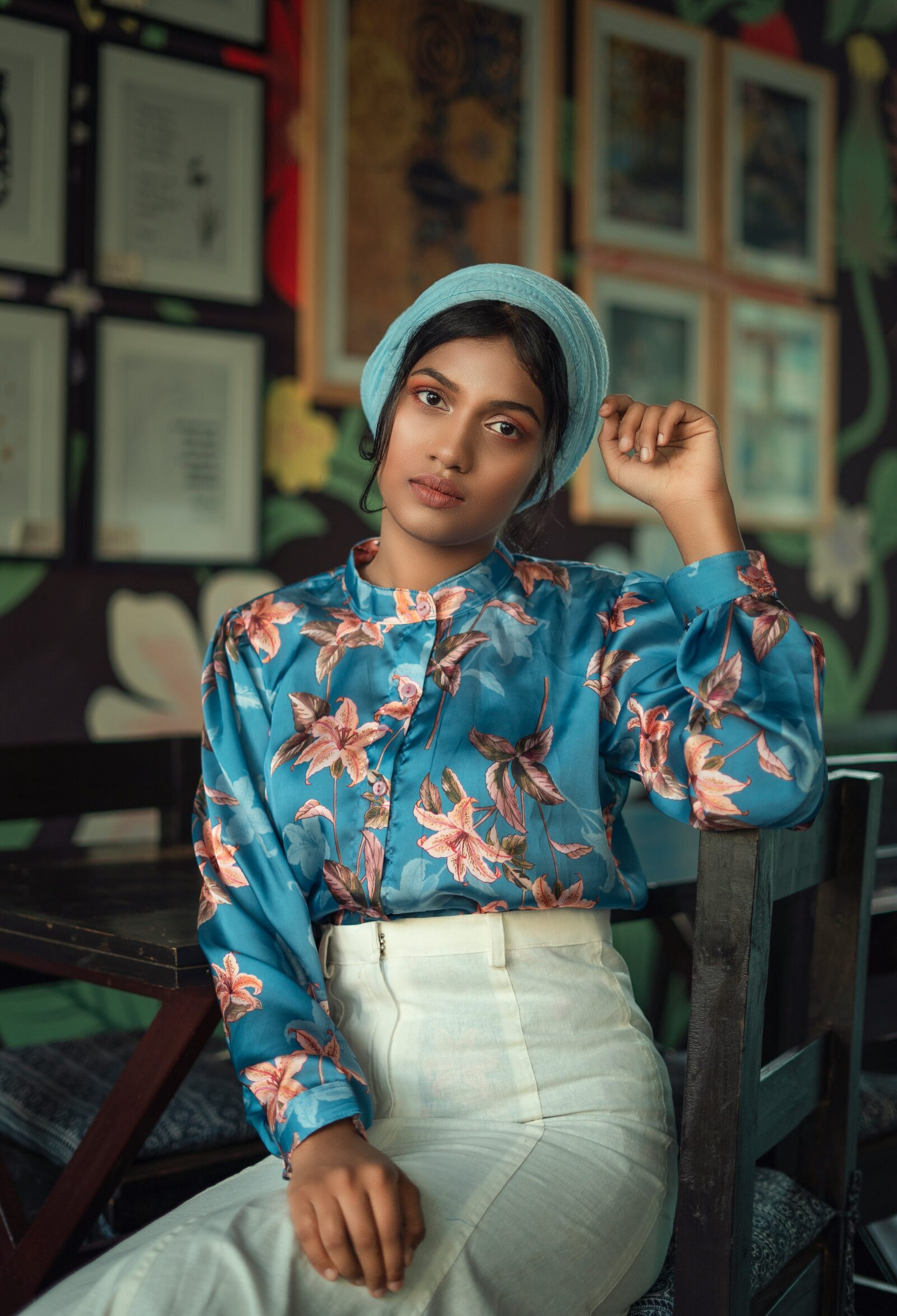
Many people believe improving their fashion style requires buying a completely new wardrobe. In reality, small changes in how you organize, choose, and style your clothes can significantly improve your appearance. Style is not always about owning more clothes; it is often about using what you already have in smarter ways.
A wardrobe filled with random pieces can make dressing difficult and time-consuming. On the other hand, a well-organized wardrobe with thoughtful clothing choices makes it easier to create stylish outfits every day. Even simple adjustments like improving clothing fit, organizing your closet, or choosing better color combinations can transform your overall look.
These wardrobe changes are practical because they do not require a large budget. Instead of focusing on expensive fashion trends, you focus on improving the quality, balance, and versatility of your clothing collection. This approach helps you build a wardrobe that is both stylish and functional.
Another advantage of simple wardrobe improvements is efficiency. When your clothes are organized and coordinated, you can quickly build outfits without spending too much time deciding what to wear. This reduces daily stress and helps you maintain a polished appearance.
Improving your wardrobe also helps develop a stronger personal style. When you carefully choose clothing pieces that work well together, your outfits begin to feel more consistent and intentional.
In this guide, we will explore several simple wardrobe changes that can instantly improve your style. These strategies focus on fit, organization, color coordination, layering, and maintaining essential clothing pieces.
Upgrade the Fit of Your Clothing
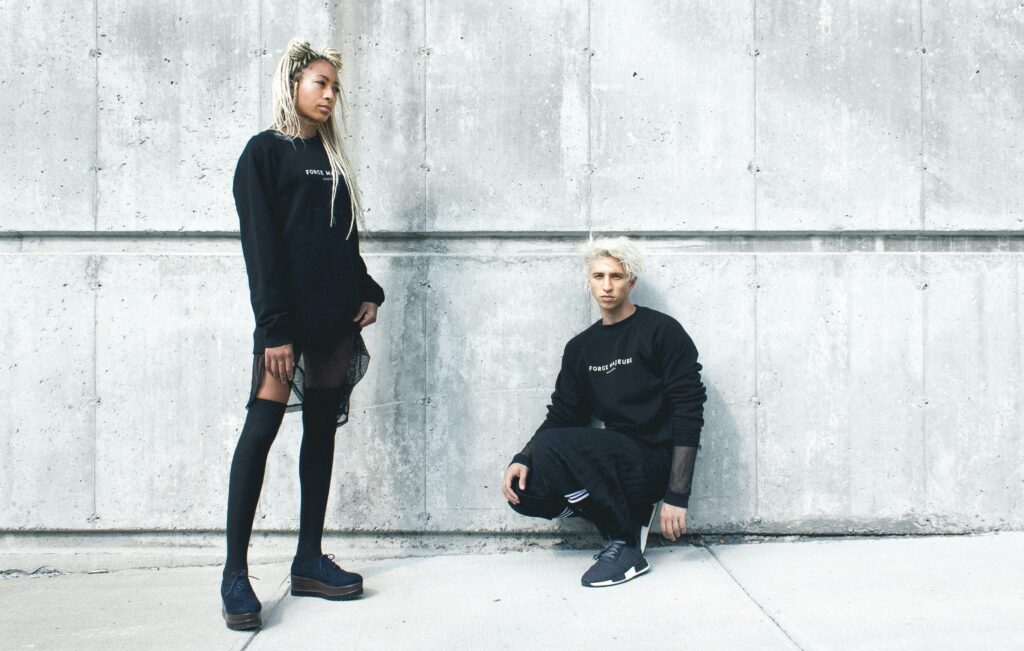
One of the most effective ways to improve your style is by focusing on clothing fit. Fit plays a crucial role in how your outfit looks. Even expensive clothing can appear unattractive if it does not fit properly.
Clothes that are too tight can feel uncomfortable and restrict movement. On the other hand, clothing that is too loose may appear sloppy or unstructured. The goal is to choose clothing that follows your body’s natural shape while still providing comfort.
For example, a well-fitted shirt should sit neatly on your shoulders and fall naturally along your torso. If the sleeves are too long or the body of the shirt is excessively baggy, the outfit may appear untidy.
Pants and jeans should also maintain a balanced fit. They should sit comfortably at the waist and have a clean line along the legs. Pants that bunch around the shoes often make the outfit look less polished.
Jackets and outerwear should also fit properly around the shoulders and arms. A structured jacket that fits well can immediately elevate a simple outfit.
Improving clothing fit does not always require buying new clothes. Sometimes simple adjustments such as tailoring or choosing better sizes can make a significant difference.
When your clothing fits properly, even basic outfits appear more refined and stylish.
Organize Your Closet for Easier Styling
Another simple change that improves style is organizing your wardrobe. When clothes are scattered or hidden behind other items, it becomes difficult to create good outfits.
An organized closet allows you to see all your clothing options clearly. This makes it easier to combine different pieces and discover new outfit combinations.
One effective strategy is organizing clothes by category. For example, keep t-shirts in one section, shirts in another, and jackets in a separate area. Pants, jeans, and shorts should also have their own sections.
After organizing by category, arranging clothes by color can make the wardrobe even more functional. Placing similar colors together helps you quickly identify items that work well with each other.
Another helpful habit is keeping frequently worn clothes within easy reach. Items that you wear regularly should be easily accessible so you can build outfits quickly.
Removing unused or rarely worn clothing also improves organization. When your wardrobe contains only useful pieces, it becomes easier to maintain a clean and stylish closet.
An organized wardrobe not only saves time but also helps you make better fashion choices every day.
Focus on Neutral and Versatile Colors
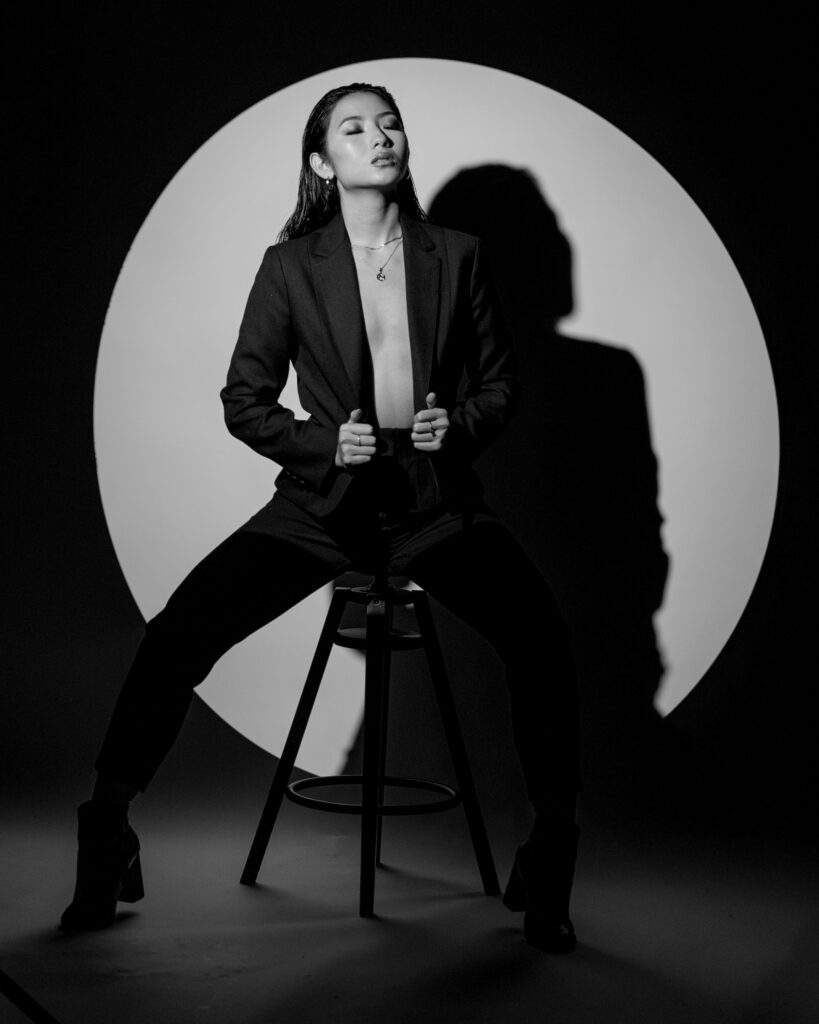
Color coordination plays an important role in improving your style. One of the simplest wardrobe changes is focusing on neutral colors that can easily be combined with other pieces.
Neutral colors include black, white, gray, navy, and beige. These shades are extremely versatile and can work with almost any other color.
For example, a white t-shirt can be paired with blue jeans, black trousers, or gray joggers. Because neutral colors match easily, they allow you to create many outfit combinations from a small number of clothing pieces.
Limiting the number of colors in an outfit also helps maintain a balanced appearance. Many stylists recommend using two or three main colors in a single outfit to avoid visual clutter.
Neutral colors also create a modern and clean aesthetic. Many minimalist fashion styles rely heavily on neutral palettes because they look polished and timeless.
Adding one subtle accent color can also enhance an outfit. For example, a brown belt or olive jacket can introduce variety without overwhelming the look.
By focusing on versatile colors, you make your wardrobe more flexible and easier to style.
Add Simple Layers to Everyday Outfits
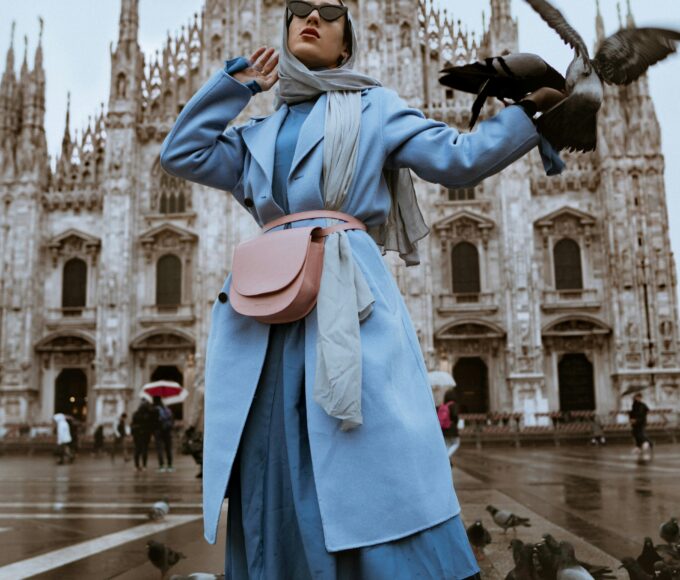
Layering is another simple wardrobe change that can instantly improve your style. Adding an extra clothing layer can transform a basic outfit into something more interesting.
For example, a simple t-shirt and jeans combination may appear plain on its own. However, adding a denim jacket, cardigan, or lightweight coat creates depth and structure.
Layering also allows you to adapt your clothing to different weather conditions. During cooler seasons, sweaters, jackets, and coats provide both warmth and style.
Another advantage of layering is versatility. The same base outfit can look different depending on the outer layer you choose. A hoodie creates a casual appearance, while a blazer can make the outfit look more polished.
When layering clothing, balance is important. The layers should complement each other rather than compete for attention. Simple base layers usually work best because they allow outer layers to stand out.
Different textures can also enhance layered outfits. Combining fabrics such as cotton, denim, and wool creates visual contrast that makes outfits more engaging.
Because of its flexibility and visual impact, layering is widely used in modern fashion styling.
Maintain Essential Wardrobe Pieces
A stylish wardrobe often relies on a few essential clothing pieces. These items serve as the foundation of many outfits and help maintain consistency in your style.
Essential wardrobe pieces usually include plain t-shirts, button-down shirts, well-fitted jeans, neutral sweaters, simple jackets, and comfortable footwear. These items are versatile and can be worn in multiple outfit combinations.
For example, a pair of classic blue jeans can work with casual t-shirts, formal shirts, or layered jackets. Because they are so versatile, they become one of the most valuable items in a wardrobe.
Keeping these essential pieces in good condition is also important. Clean, wrinkle-free clothing always looks more polished and stylish.
When buying new clothing, it is helpful to consider whether the item will match existing pieces in your wardrobe. Clothes that work with multiple outfits provide greater value than items that can only be worn occasionally.
Maintaining essential wardrobe pieces ensures that you always have reliable options for creating stylish daily outfits.