



Fashion trends change constantly. What is popular today may become outdated within a few months. Because of this fast-changing cycle, many people feel pressured to update their wardrobes frequently. However, building a fashionable wardrobe does not require following every trend. In fact, some of the most stylish wardrobes are built around timeless pieces rather than temporary fashion movements.
A wardrobe that focuses on personal style and versatile clothing can remain fashionable for many years. Instead of chasing trends, you learn to select pieces that match your lifestyle, fit well, and work together naturally. This approach not only saves money but also creates a more organized and reliable wardrobe.
When you stop relying on trends, your clothing choices become more intentional. Each item in your wardrobe serves a purpose and can be worn in different situations. This makes it easier to create stylish outfits without constantly buying new clothes.
Another advantage of avoiding trends is that it helps develop a stronger sense of personal style. Trends often encourage people to dress similarly, but timeless fashion allows you to express your individuality. Your clothing begins to reflect your personality rather than the latest fashion influence.
A fashionable wardrobe built without trends focuses on quality, versatility, balance, and comfort. These elements help ensure that your outfits always look polished and modern, regardless of what is currently popular in the fashion industry.
In this guide, we will explore practical strategies for building a fashionable wardrobe without depending on trends. By focusing on timeless clothing pieces, neutral colors, proper fit, and thoughtful combinations, you can create a wardrobe that remains stylish year after year.
Focus on Timeless Clothing Pieces
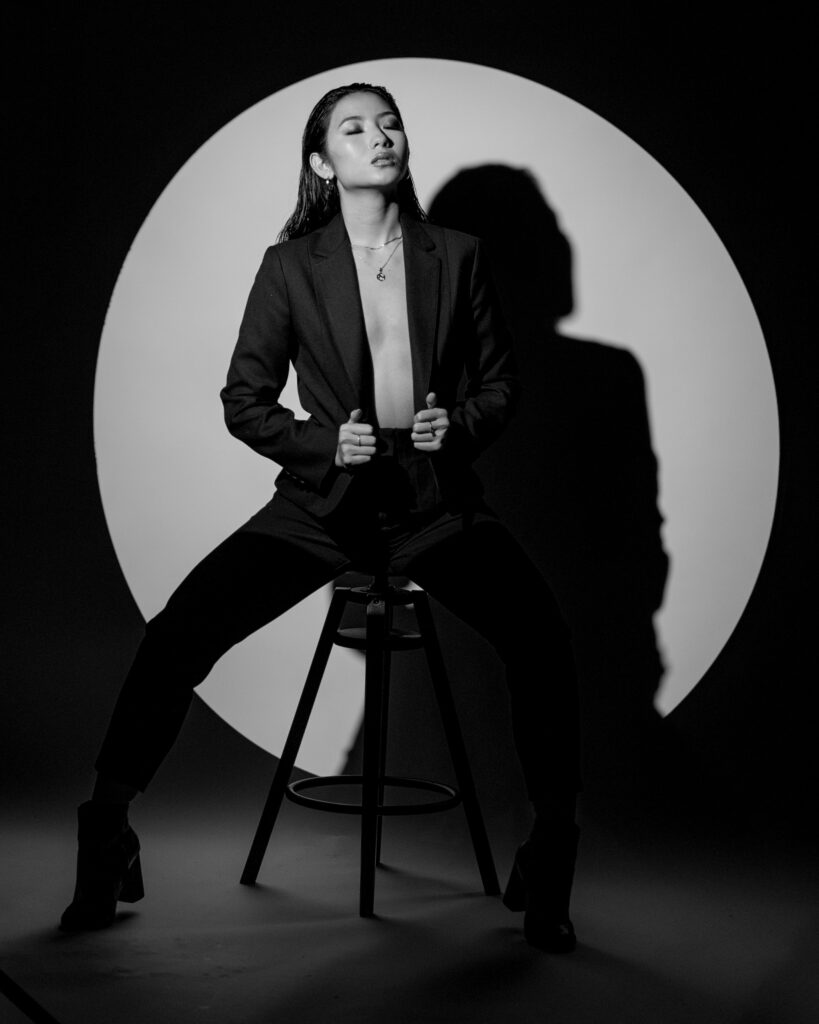
The foundation of a trend-free wardrobe is timeless clothing. These are pieces that remain stylish regardless of changing fashion trends. Classic clothing designs have existed for decades and continue to work in modern outfits.
Examples of timeless clothing include plain t-shirts, button-down shirts, simple sweaters, classic jeans, well-fitted trousers, and structured jackets. These items rarely go out of fashion because they are simple, functional, and versatile.
A white button-down shirt, for instance, can be worn in casual settings with jeans or in slightly formal environments with trousers. Its design has remained relevant for many years because it is both practical and elegant.
Similarly, well-fitted jeans are one of the most reliable wardrobe pieces. They can be styled in many different ways and work well with a wide variety of tops and footwear.
Another example is a neutral jacket or blazer. Adding a structured outer layer instantly improves the appearance of an outfit while maintaining a classic style.
Timeless clothing pieces are valuable because they can adapt to different outfit combinations. Instead of replacing them every season, you can rely on them for many years.
By focusing on classic clothing designs rather than short-lived trends, your wardrobe remains stylish and practical over time.
Choose Neutral and Versatile Colors
Color coordination is another important factor when building a fashionable wardrobe without trends. Neutral colors play a key role because they are easy to combine and rarely look outdated.
Common neutral colors include black, white, gray, navy, and beige. These shades can be paired with almost any other color, making them ideal for everyday outfits.
For example, a navy shirt can work with black jeans, gray trousers, or beige chinos. Because neutral colors complement each other naturally, they make outfit combinations simple and reliable.
Neutral colors also create a clean and modern appearance. Many minimalist fashion styles rely heavily on neutral palettes because they produce balanced and sophisticated outfits.
Limiting the number of colors in your wardrobe can also simplify daily outfit decisions. When most of your clothes belong to a compatible color palette, nearly every combination will look coordinated.
Accent colors can still be included occasionally. A subtle color like olive green, brown, or muted blue can add variety without overpowering the overall outfit.
Using neutral colors ensures that your clothing remains versatile and easy to style. This makes your wardrobe more efficient and reduces the need to follow changing color trends.
Prioritize Quality Over Quantity
A wardrobe that does not rely on trends should emphasize quality rather than quantity. Instead of owning many inexpensive clothing items, it is often better to invest in fewer pieces that are well made and durable.
High-quality clothing tends to maintain its shape, color, and structure for a longer time. This means you can wear these pieces frequently without them losing their appearance.
Quality fabrics also improve comfort. Clothing made from durable materials such as cotton, wool, or denim usually feels better to wear and withstands regular use.
When selecting clothing items, it is helpful to consider how often they will be worn. Pieces that can be styled in multiple ways provide greater value than items that only work with one specific outfit.
For example, a durable pair of jeans or a well-made jacket can be used in dozens of outfit combinations over several years. This makes them more valuable than trendy items that quickly go out of style.
Prioritizing quality also helps maintain a cleaner wardrobe. When you own fewer but better clothing pieces, your closet becomes more organized and manageable.
By focusing on durability and versatility, you build a wardrobe that remains functional and fashionable for a long time.
Pay Attention to Fit and Proportion
Fit is one of the most important elements of stylish clothing. Even simple outfits can look fashionable when the clothing fits properly.
Clothes that are too tight may appear uncomfortable, while clothes that are too loose can look unstructured. The ideal fit allows the clothing to follow your body’s natural shape without restricting movement.
For example, shirts should sit comfortably on the shoulders and fall naturally along the torso. Pants should fit well at the waist and maintain a clean line along the legs.
Proper proportions also contribute to balanced outfits. If one clothing item is slightly loose, the other pieces can be more fitted to maintain visual balance.
Well-fitted jackets, sweaters, and trousers can make even the most basic outfits appear polished and intentional. Because fit plays such an important role, it often matters more than the brand or price of the clothing.
When clothes fit well, they enhance your overall appearance and improve confidence. This confidence makes your style appear more natural and effortless.
A wardrobe built around well-fitted clothing remains stylish regardless of trends because the outfits always look balanced and refined.
Develop Your Personal Style
The final step in building a fashionable wardrobe without trends is developing your personal style. Personal style reflects your preferences, lifestyle, and personality rather than external fashion influences.
Instead of copying current trends, observe which clothing combinations make you feel comfortable and confident. Over time, you will notice patterns in your preferences, such as certain colors, fits, or layering styles.
Your lifestyle should also guide your wardrobe choices. For example, someone with a casual daily routine may focus on comfortable basics, while someone working in a professional environment may prefer structured clothing.
Consistency also helps strengthen personal style. When your wardrobe follows a certain aesthetic, your outfits begin to feel more cohesive.
Experimenting with different combinations can help refine your style over time. As you gain more experience, you will become more confident in choosing clothing that suits you best.
Developing personal style allows your wardrobe to remain fashionable without depending on trends. Your clothing becomes an authentic expression of who you are.