




Many people focus on buying new clothes to improve their fashion, but they often overlook something equally important—closet organization. A stylish wardrobe is not only about the clothes you own but also about how well they are arranged and managed. When your closet is organized, it becomes much easier to create stylish outfits every day.
An unorganized closet can make even a large wardrobe feel limited. Clothes may get buried under other items, pieces that could work well together remain unnoticed, and choosing an outfit becomes stressful. On the other hand, a well-organized closet allows you to see everything clearly and combine items more creatively.
Fashion strategies for an organized closet help you understand your wardrobe better. They allow you to identify which pieces you wear often, which items match your style, and which clothes no longer serve a purpose. This awareness helps you make smarter fashion choices and maintain a cleaner, more functional wardrobe.
Another advantage of an organized closet is time efficiency. Many people spend several minutes each morning searching for clothes or deciding what to wear. When your closet is arranged thoughtfully, outfit planning becomes quicker and simpler.
A stylish closet also encourages consistency in your personal style. When your clothes are organized, you can easily mix and match items to create balanced outfits. This helps maintain a polished appearance without needing to constantly buy new clothing.
In this guide, we will explore several fashion strategies that help you build a stylish and organized closet. These strategies focus on simplifying your wardrobe, arranging clothes effectively, maintaining versatile pieces, and developing habits that support long-term organization.
Declutter and Identify Your Essential Clothing
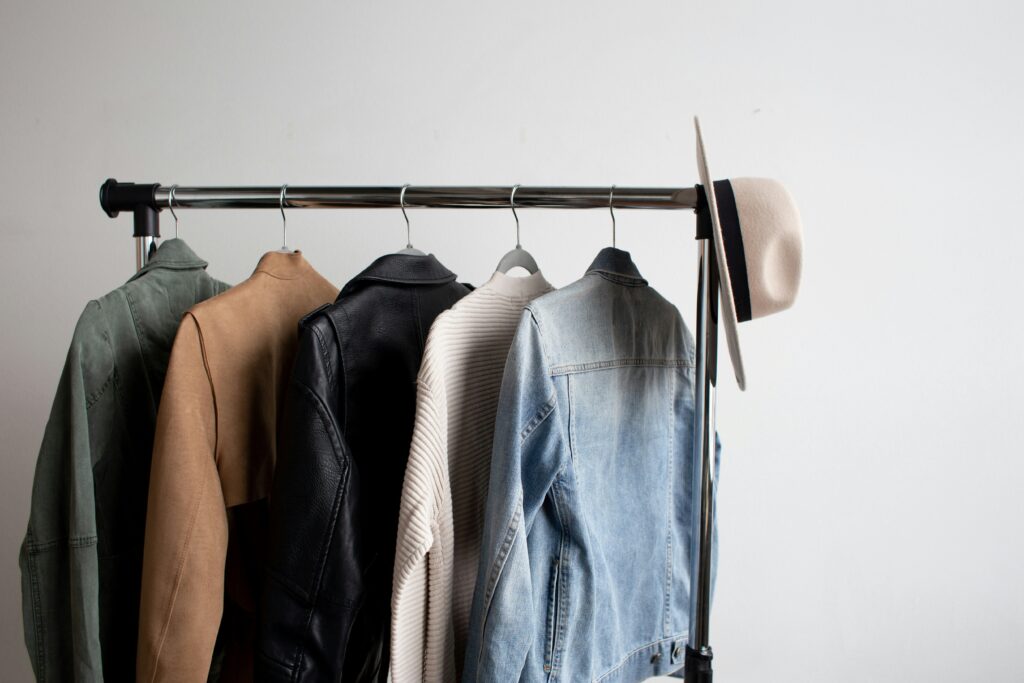
The first step in creating an organized closet is decluttering. Many closets contain clothes that are rarely worn, no longer fit, or do not match the person’s current style. Keeping too many unused items makes it difficult to see the clothes you actually wear.
Decluttering allows you to remove unnecessary items and focus on essential clothing pieces. These are the items that you wear frequently and feel comfortable in. They usually include everyday basics like jeans, shirts, t-shirts, sweaters, jackets, and reliable footwear.
To begin decluttering, take each item from your closet and evaluate it honestly. Ask yourself a few simple questions. Do you wear this item regularly? Does it fit comfortably? Does it match your current style? If the answer is no, it may be time to remove it from your wardrobe.
Removing unused clothes creates more space and clarity. It also helps you identify the pieces that truly represent your style. Many people discover that they only wear a small portion of their wardrobe regularly.
Another benefit of decluttering is recognizing gaps in your wardrobe. For example, you may realize that you have many casual shirts but very few neutral jackets or layering pieces. This awareness helps you make smarter decisions when buying new clothing.
Decluttering does not mean reducing your wardrobe to very few items. Instead, it means keeping clothes that are useful, versatile, and aligned with your style. A closet filled with meaningful pieces is far more effective than one filled with random clothing.
Once you identify your essential clothing items, organizing the rest of your closet becomes much easier.
Organize Clothes by Category and Color
After decluttering your wardrobe, the next step is organizing clothes in a structured way. One of the most effective methods is arranging clothing by category and color. This simple system helps you locate items quickly and visualize outfit combinations more easily.
Start by grouping similar clothing pieces together. For example, place all t-shirts in one section, shirts in another, and jackets in a separate area. Pants, jeans, and shorts should also have their own designated spaces.
Categorizing clothing helps you understand how many pieces you own in each category. It also prevents items from becoming hidden behind other clothing. When every type of clothing has its own place, your closet feels much more manageable.
After organizing by category, arranging clothes by color can make the closet even more visually organized. Many people prefer arranging colors from light to dark or grouping similar shades together.
For example, white and light-colored shirts may appear first, followed by neutral shades like gray and beige, and finally darker colors such as navy or black. This arrangement creates a visually pleasing structure and makes color coordination easier.
Color organization also helps when building outfits. When similar shades are grouped together, you can quickly identify clothing pieces that work well with each other.
Another helpful strategy is keeping frequently used clothing within easy reach. Items that you wear regularly should be placed in the most accessible sections of the closet. Seasonal clothing can be stored in less accessible areas.
By organizing clothes by category and color, your closet becomes not only more attractive but also more functional for daily outfit planning.
Focus on Versatile Wardrobe Pieces
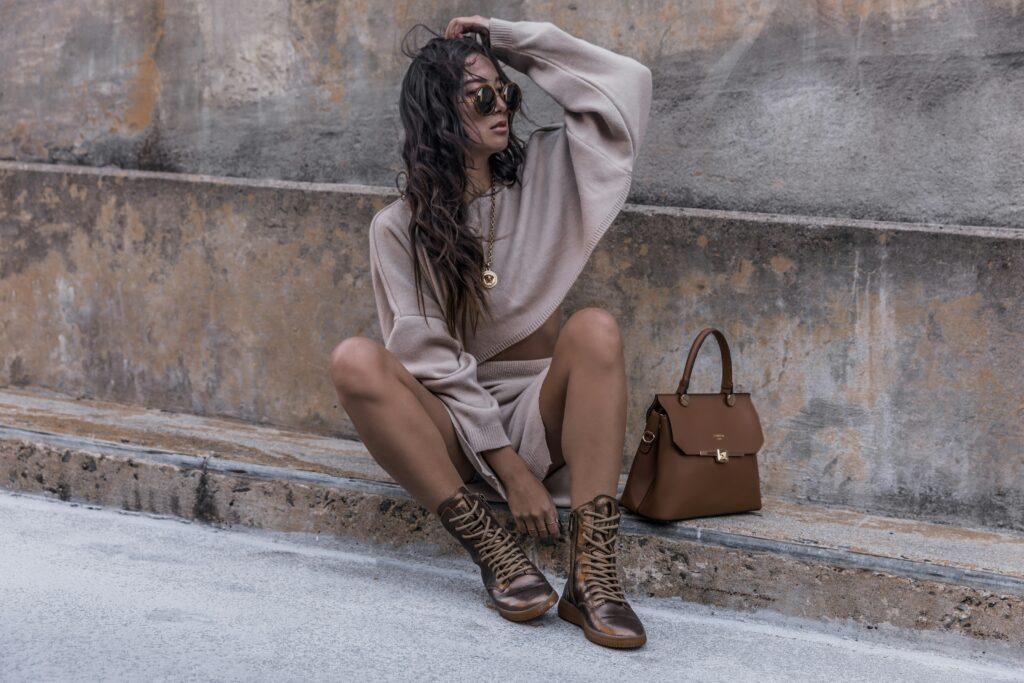
A stylish and organized closet often relies on versatile clothing pieces. These are items that can be combined with multiple outfits and worn in different situations. Versatile clothing simplifies outfit creation and reduces the need for excessive wardrobe space.
Basic clothing items are usually the most versatile. Plain t-shirts, neutral shirts, classic jeans, simple sweaters, and lightweight jackets can work in many different outfit combinations. Because of their flexibility, these pieces become the foundation of everyday style.
Neutral colors play an important role in versatility. Shades such as black, white, gray, navy, and beige match easily with many other colors. When your wardrobe contains several neutral pieces, creating balanced outfits becomes much easier.
For example, a pair of dark blue jeans can be paired with a casual t-shirt, a button-down shirt, or a jacket depending on the occasion. The same piece of clothing can create multiple looks with minimal effort.
Layering pieces also contribute to versatility. Jackets, cardigans, and overshirts allow you to change the style of an outfit without replacing the base clothing. This flexibility makes your wardrobe more adaptable to different weather conditions and social settings.
When choosing new clothing items, it is helpful to consider how well they will integrate with your existing wardrobe. Clothes that match several other pieces provide greater value than items that can only be worn with a single outfit.
By focusing on versatile pieces, your closet becomes more organized and efficient. Each clothing item contributes to multiple outfit possibilities rather than occupying space without purpose.
Maintain Closet Organization with Consistent Habits
Organizing a closet once is helpful, but maintaining that organization requires consistent habits. Without regular maintenance, even a well-arranged wardrobe can become cluttered again.
One useful habit is returning clothes to their designated places after wearing them. When items are placed back correctly, the closet remains structured and easy to navigate.
Another helpful practice is folding and hanging clothes properly. Wrinkled or poorly stored clothing not only looks messy but also reduces the lifespan of the garments. Using appropriate hangers and maintaining neat folds keeps clothing in good condition.
Seasonal wardrobe adjustments are also beneficial. At the beginning of each season, review your clothing collection and adjust the closet arrangement. Heavier coats may be moved forward during colder months, while lighter clothing becomes more accessible during warmer seasons.
Regular wardrobe reviews help maintain organization. Every few months, it is useful to check whether certain items are no longer being worn. Removing these pieces prevents the closet from becoming overcrowded.
Laundry habits also influence closet organization. Clean clothes should be returned to the closet promptly rather than being left in piles. This simple habit helps maintain a neat wardrobe environment.
Consistency is the key to maintaining a stylish closet. Small daily habits keep your wardrobe organized and prevent clutter from building up over time.
Develop a Closet That Reflects Your Personal Style
An organized closet should not only be functional but also reflect your personal style. Fashion becomes more enjoyable when your wardrobe contains clothes that match your preferences and lifestyle.
Personal style develops gradually through experience. As you experiment with different outfits, you begin to notice which clothing combinations feel most comfortable and confident.
Some people prefer minimalist wardrobes with neutral colors and simple designs. Others enjoy more expressive clothing with patterns or unique textures. There is no single correct style; the goal is to build a wardrobe that feels authentic to you.
Observing your most frequently worn outfits can help identify your style preferences. If certain clothing pieces are worn repeatedly, they likely represent elements of your personal style.
Your lifestyle should also influence your wardrobe. For example, someone who spends most of their time in casual environments may focus on comfortable everyday clothing. Someone working in professional settings may prefer more structured outfits.
Keeping your closet aligned with your personal style ensures that most of your clothing pieces work well together. This makes outfit planning easier and prevents unnecessary purchases.
Over time, your closet will evolve into a curated collection of clothing that reflects both practicality and individuality.