



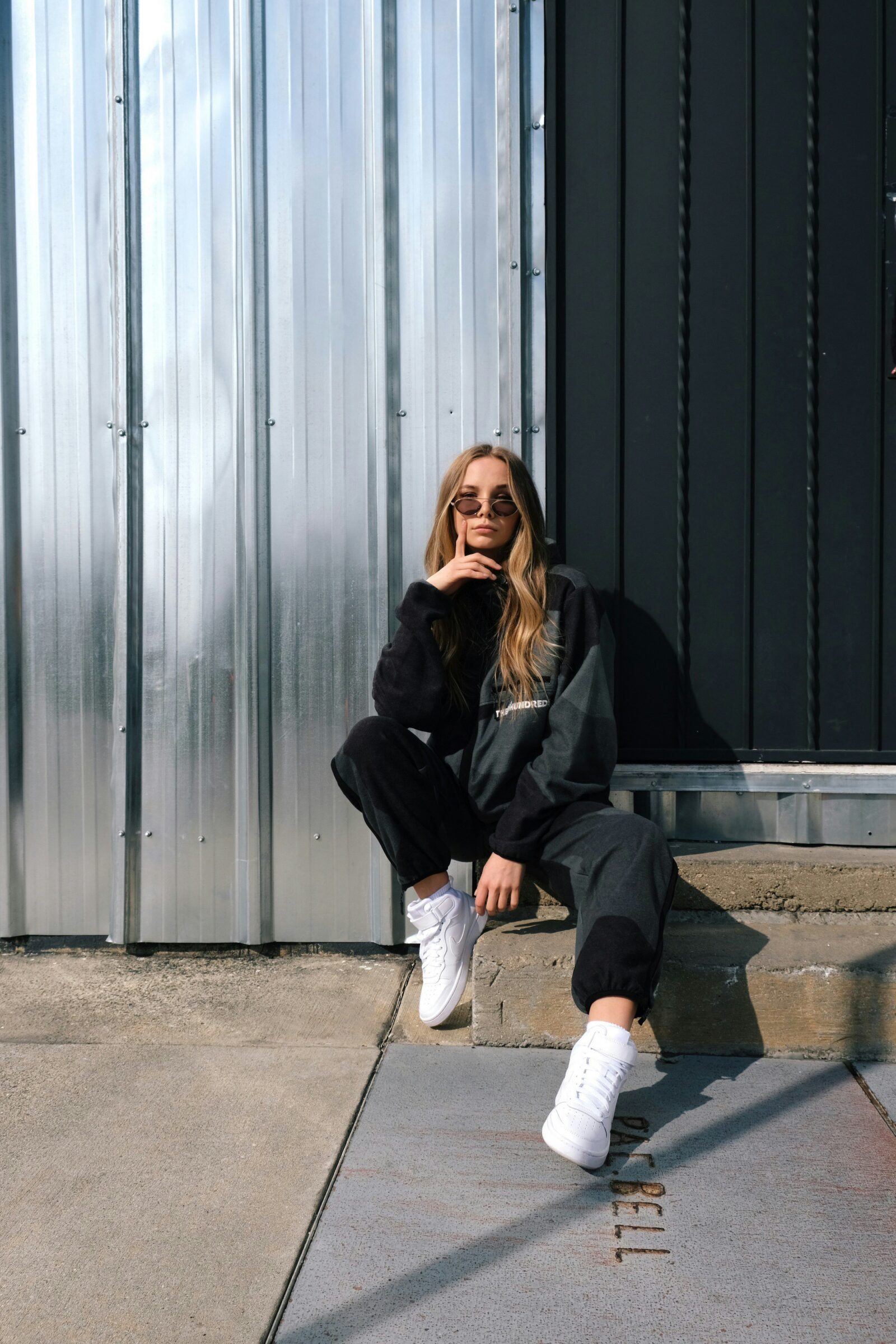
Fashion does not always require expensive clothing, luxury brands, or a wardrobe full of trendy pieces. Many people believe that looking stylish means constantly buying new clothes, but the truth is much simpler. Small styling adjustments can completely transform everyday outfits. When you understand a few basic fashion principles, even the most ordinary clothing can look polished and fashionable.
Daily outfits are usually built from simple items such as jeans, t-shirts, shirts, sweaters, and casual shoes. These pieces are comfortable and practical, but without the right styling they can sometimes look plain or repetitive. The key to upgrading daily outfits is learning how to style these everyday pieces in smarter ways.
Simple fashion tips help you create outfits that look intentional rather than random. A well-balanced outfit gives the impression that you understand style, even if your clothing choices are minimal. In many cases, stylish people are not wearing complicated outfits; they are simply applying a few reliable styling rules.
Another important benefit of simple fashion techniques is efficiency. When you know how to combine clothes effectively, getting dressed becomes easier and faster. You do not need to spend a long time deciding what to wear each morning. Instead, you can quickly build outfits that look clean, modern, and confident.
These tips are also helpful because they work with almost any wardrobe. You do not need to completely change your clothing collection. Instead, you learn how to improve the way you use the clothes you already own. This approach saves money and keeps your wardrobe practical.
In this guide, you will learn several simple fashion tips that can instantly upgrade your daily outfits. These strategies focus on fit, color coordination, layering, accessories, and confidence. Once you understand these techniques, you will notice that dressing well becomes much easier.
Focus on Proper Fit
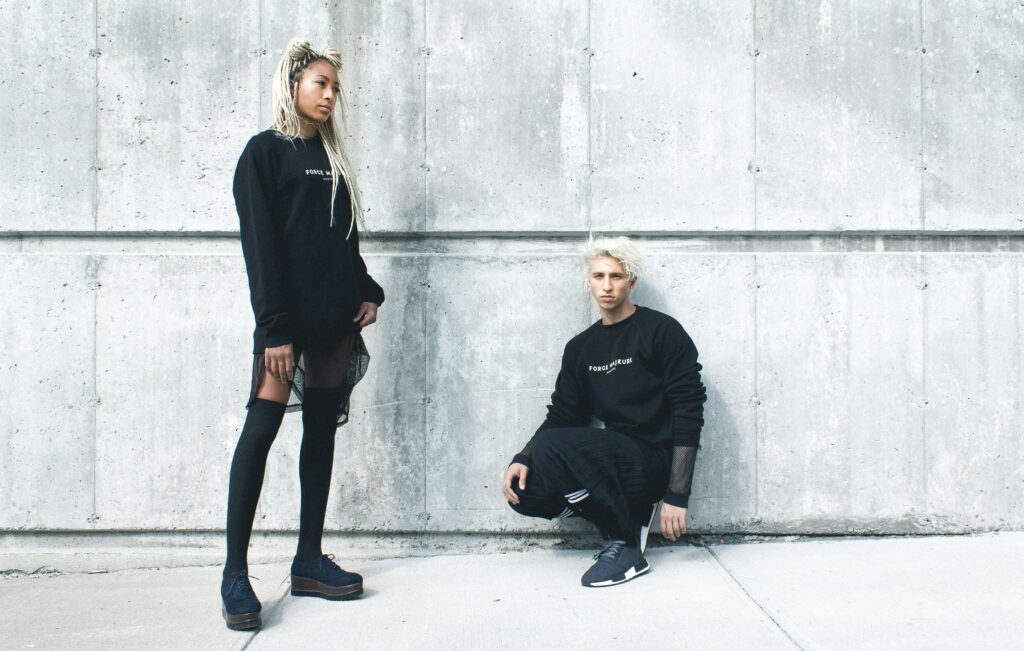
One of the most powerful ways to improve any outfit is by choosing clothes that fit properly. Fit determines how your clothing shapes your appearance. Even the most expensive outfit can look unattractive if the clothing does not fit correctly.
Clothes that are too tight often feel uncomfortable and restrict movement. On the other hand, clothing that is too loose may appear sloppy or unstructured. The ideal fit allows the clothing to follow your body’s natural shape without feeling restrictive.
For example, a well-fitted shirt should sit comfortably on your shoulders and allow you to move your arms freely. The sleeves should end near your wrist, and the shirt should not appear excessively baggy around the waist. A properly fitted shirt instantly looks more stylish than an oversized or overly tight one.
The same principle applies to pants and jeans. Pants should sit comfortably at the waist and fall naturally along the legs. If they are too long, they can bunch up near the shoes and create a messy appearance. Tailoring or selecting the right length can greatly improve the overall look.
Fit also affects jackets, sweaters, and outerwear. A structured jacket that fits well around the shoulders can make a basic outfit look more refined. When the proportions of clothing pieces are balanced, the outfit feels more intentional.
Many people overlook the importance of fit because they focus more on colors or brands. However, fashion experts often agree that fit is the foundation of good style. When your clothes fit well, even simple outfits appear polished and confident.
Use Color Coordination to Create Balanced Outfits
Color coordination is another powerful technique that can elevate daily outfits. When colors work well together, outfits appear more organized and visually pleasing. Without color balance, even good clothing pieces can look mismatched.
One of the easiest ways to coordinate colors is by using neutral tones. Neutral colors include black, white, gray, navy, and beige. These colors are extremely versatile and can be paired with many other shades. Because of this flexibility, they are ideal for everyday outfits.
For example, a white shirt with blue jeans creates a clean and timeless combination. Adding a neutral jacket or sneakers maintains balance while still looking stylish. Neutral tones act as a stable base that supports other colors in the outfit.
Another helpful technique is limiting the number of colors in an outfit. Wearing too many colors at once can make the outfit appear chaotic. Many stylists recommend using two or three colors as the main palette for a balanced look.
Contrast also plays an important role in color coordination. Pairing light and dark colors can create visual interest. For instance, dark jeans combined with a lighter shirt often produce a strong contrast that enhances the overall appearance.
Patterns should also be used carefully. If one clothing item contains a bold pattern, the rest of the outfit should remain relatively simple. This prevents the outfit from becoming visually overwhelming.
Understanding basic color coordination allows you to build stylish outfits quickly. Instead of randomly combining clothing pieces, you begin creating looks that feel cohesive and thoughtfully designed.
Use Layering to Add Depth and Style
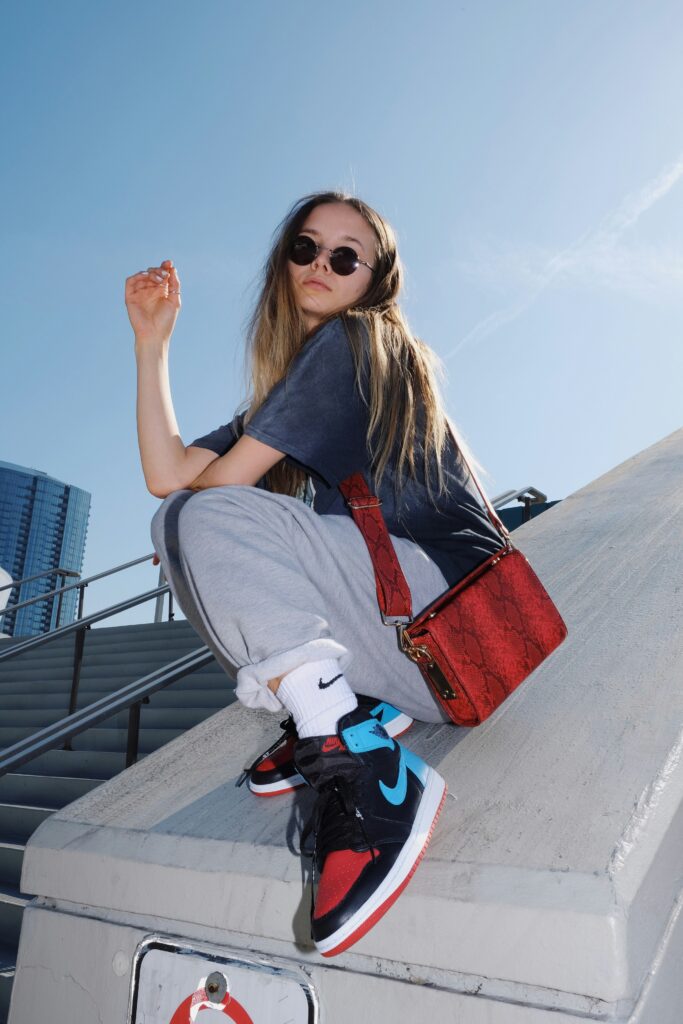
Layering is one of the most effective techniques for upgrading simple outfits. By adding an extra clothing layer, you can make even the most basic outfit look more structured and interesting.
For example, wearing a jacket over a simple t-shirt instantly adds dimension to the outfit. Without the jacket, the outfit may appear plain. With the jacket, the outfit gains shape and style.
Layering also allows you to adapt your clothing to different weather conditions. Light layers such as denim jackets, cardigans, or overshirts work well during mild temperatures. Heavier coats can be added during colder seasons while still maintaining a stylish look.
One important rule of layering is balance. Each layer should complement the others rather than compete for attention. A simple base layer often works best. For instance, a plain t-shirt can serve as the base, while a shirt or jacket adds structure.
The length of layers can also influence the final appearance. A slightly longer shirt under a jacket can create a modern layered effect. These subtle details make outfits appear more thoughtfully styled.
Another advantage of layering is versatility. The same outfit can look completely different depending on the outer layer you choose. For example, a t-shirt and jeans combination may look casual with a denim jacket, but more polished with a blazer.
Because of its flexibility, layering is widely used by fashion professionals and stylists. It allows simple clothing pieces to feel fresh and dynamic without requiring major changes to the wardrobe.
Add Simple Accessories for Extra Personality
Accessories are small details that can significantly enhance an outfit. While clothing forms the base of your style, accessories add personality and character.
Common everyday accessories include watches, belts, sunglasses, hats, and simple jewelry. These items do not need to be expensive to make an impact. Even minimal accessories can make an outfit feel more complete.
A watch, for example, adds a sense of sophistication to an outfit. It communicates attention to detail and personal style. Similarly, a belt not only serves a practical purpose but also contributes to the visual structure of an outfit.
Sunglasses can enhance casual outfits by adding a modern and confident touch. They often create a strong visual element without overwhelming the overall look.
However, moderation is important when using accessories. Wearing too many accessories at once can make an outfit look cluttered. The goal is to enhance the outfit rather than distract from it.
Minimal accessories usually work best for daily outfits. One or two carefully chosen items are often enough to improve the overall appearance.
Accessories also allow you to express individuality. Two people wearing similar clothing can create very different styles depending on their accessories. This makes accessories a powerful tool for developing personal style.
Build Confidence Through Consistent Style Habits
The final and perhaps most important fashion tip is confidence. Clothing can enhance your appearance, but confidence determines how your style is perceived by others.
When you feel comfortable in what you wear, your posture improves and your movements appear more relaxed. Confidence makes simple outfits look intentional and stylish.
One way to build confidence is by developing consistent style habits. Keeping clothes clean, wrinkle-free, and well organized helps maintain a polished appearance. Taking care of your wardrobe ensures that your clothing always looks its best.
Planning outfits ahead of time can also reduce stress and improve confidence. When you know your outfit works well, you can focus on your day instead of worrying about how you look.
Grooming also plays an important role in style. Clean shoes, well-maintained hair, and good hygiene enhance the overall presentation of your outfit.
Another useful habit is understanding what styles work best for you. Over time, you will discover which clothing fits, colors, and combinations make you feel most comfortable. These preferences help you build a consistent personal style.
Confidence grows naturally when your clothing choices reflect your personality and lifestyle. Instead of chasing every fashion trend, you begin to develop a style that feels authentic.