


1. Understanding the Idea of Effortless Style
Dressing well every day does not always require a large wardrobe or complicated fashion choices. Effortless style is about making smart clothing decisions that help you look organized and stylish without spending too much time thinking about your outfit. When you understand the basics of everyday style, getting dressed becomes simple and stress-free.
Many people struggle with daily outfits because their wardrobe contains too many random pieces that do not match each other. This often leads to confusion when choosing what to wear. Effortless style focuses on simplicity and coordination so that most clothing items can easily work together.
Another important aspect of effortless style is comfort. Clothing that feels comfortable allows you to move naturally and carry yourself with confidence. When you feel comfortable in your outfit, your overall appearance improves automatically.
Effortless style also relies on timeless fashion choices. Instead of constantly following changing trends, it focuses on clothing that remains stylish for many years. This approach saves time and reduces the need for frequent shopping.
By understanding the concept of effortless style, you can build habits that help you dress better every day with minimal effort.
2. Building a Simple and Versatile Wardrobe
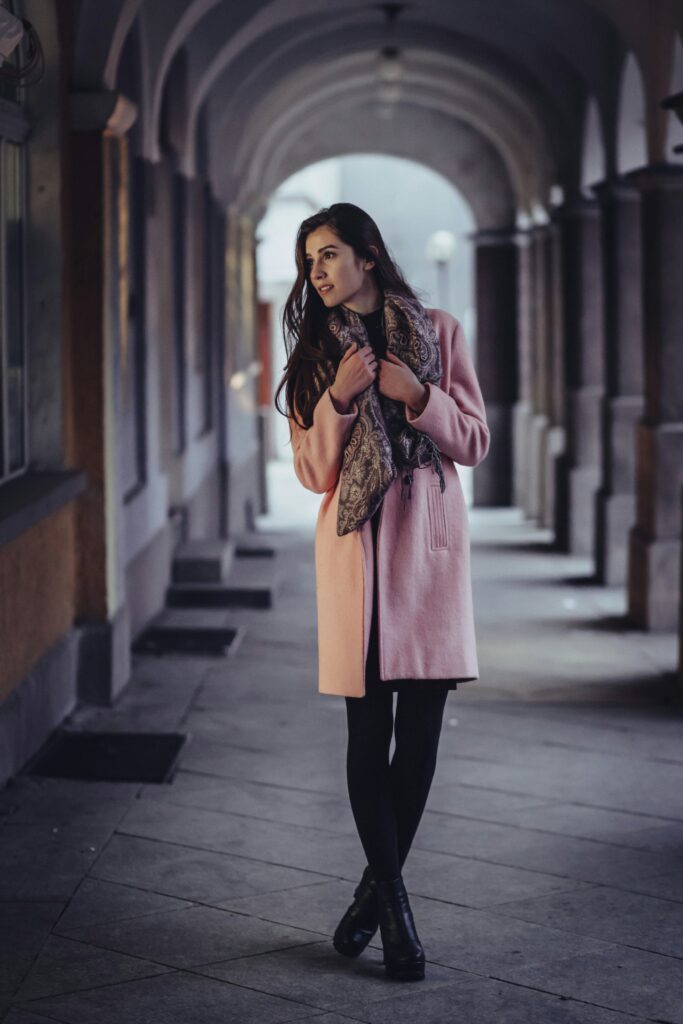
A versatile wardrobe is the foundation of dressing well every day. When your wardrobe contains simple clothing pieces that work well together, it becomes easier to create outfits quickly.
Some essential wardrobe pieces include plain t-shirts, white shirts, denim jeans, neutral sweaters, tailored trousers, and simple jackets. These items are popular because they can be worn in many different ways.
A classic white shirt, for example, can be paired with jeans for a casual look or worn with trousers for a more polished appearance. Similarly, a pair of well-fitted jeans can be combined with many different tops.
Neutral sweaters and jackets also provide flexibility. These pieces allow you to layer your clothing and adapt your outfit depending on the weather.
Footwear should also be practical and versatile. White sneakers work well for casual outfits, while simple leather shoes or boots can create a more refined look.
When your wardrobe is built around versatile pieces, creating outfits becomes faster and easier, allowing you to maintain a stylish appearance with minimal effort.
3. Using Neutral Colors for Easy Outfit Coordination
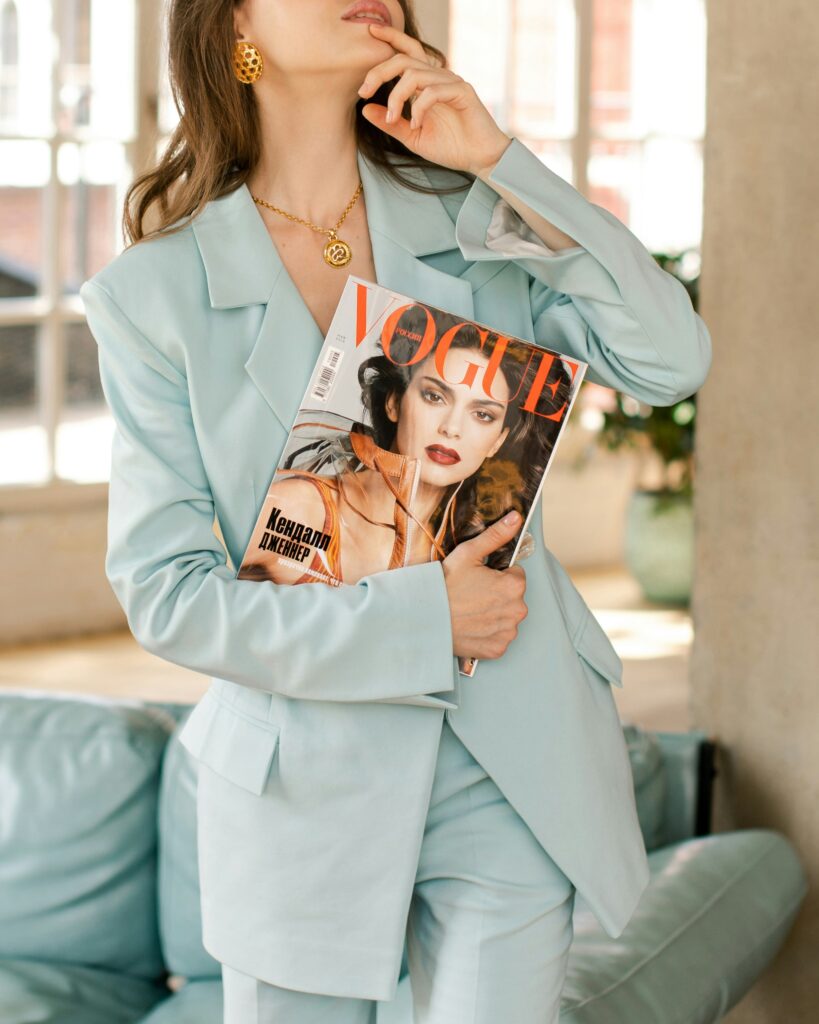
Color coordination is one of the easiest ways to improve your daily style. Neutral colors are especially helpful because they are simple to combine and create balanced outfits.
Common neutral colors include black, white, gray, navy, and beige. These colors complement each other and rarely clash, which makes outfit planning much easier.
For example, a white shirt can easily be paired with black trousers or blue jeans. Adding a gray sweater or navy jacket can create a complete and stylish outfit.
Neutral colors also create a clean and sophisticated appearance. Many modern fashion styles rely heavily on neutral tones because they look elegant and timeless.
To avoid outfits feeling repetitive, you can occasionally add an accent color. Colors such as olive green, burgundy, or soft blue can add personality while still matching well with neutral shades.
Keeping outfits limited to two or three colors helps maintain a balanced and polished look.
By focusing on neutral colors, you can quickly create outfits that look stylish without spending much time thinking about color combinations.
4. Improving Your Appearance with Proper Fit and Layering
The way clothing fits your body plays an important role in how stylish your outfit appears. Even simple clothing can look fashionable when it fits well.
Clothes that are too tight may feel uncomfortable and restrict movement, while clothes that are too loose can appear messy or oversized. The goal is to wear clothing that follows the natural shape of your body while still feeling comfortable.
Tailoring can help improve the fit of clothing. Small adjustments such as shortening sleeves or hemming trousers can make garments look more refined.
Layering is another technique that helps improve everyday outfits. By combining different clothing pieces, you can create depth and interest in your outfit.
For example, a plain t-shirt can be worn alone during warm weather, layered under a sweater during cooler seasons, or paired with a jacket for a more polished look.
Layering also helps you adapt your outfit to changing temperatures throughout the day.
By focusing on proper fit and thoughtful layering, you can enhance your style without needing additional clothing.
5. Completing Your Look with Small Details and Confidence
The final step in dressing better every day is paying attention to small details that complete your outfit. Accessories and personal presentation can significantly improve your overall appearance.
Accessories such as watches, belts, scarves, and handbags add personality and detail to clothing combinations. A classic wristwatch, for example, adds sophistication while remaining practical.
Belts help create structure in outfits and make clothing appear more complete. Sunglasses and minimal jewelry can also enhance your overall style.
However, it is important to keep accessories simple. Too many accessories can make an outfit appear cluttered. Choosing a few well-matched pieces usually creates the best result.
Confidence is another key factor in personal style. When you feel comfortable in what you are wearing, it naturally improves your posture and body language.
Good grooming habits also contribute to a polished appearance. Clean shoes, wrinkle-free clothing, and a neat hairstyle help ensure that your outfit always looks presentable.
By combining versatile wardrobe pieces, balanced colors, proper fit, and simple accessories, you can dress better every day while putting in minimal effort.