




Fashion plays an important role in how we present ourselves in daily life. The way we dress can influence our confidence, the impressions we create, and how comfortable we feel throughout the day. Many people think that improving their style requires buying expensive clothes or constantly following the latest trends. However, great style often comes from simple and smart fashion habits.
Building better everyday outfits does not require a large wardrobe. With the right approach, even a small collection of clothing can create many stylish combinations. The key is understanding how to choose clothes wisely, coordinate colors, and combine pieces in a balanced way.
Smart fashion tips help you make better use of the clothes you already own. Instead of buying new items frequently, you can focus on styling your existing wardrobe in creative ways. This approach saves money and makes dressing more efficient.
Another advantage of learning fashion strategies is that it helps you develop a stronger personal style. Over time, you become more confident in selecting outfits that suit your personality and lifestyle.
Improving your style is not about following complicated rules. Instead, it is about paying attention to small details and making thoughtful clothing choices.
In this article, we will explore smart fashion tips that can help you improve your style and create better everyday outfits.
Choosing Clothes That Fit Well
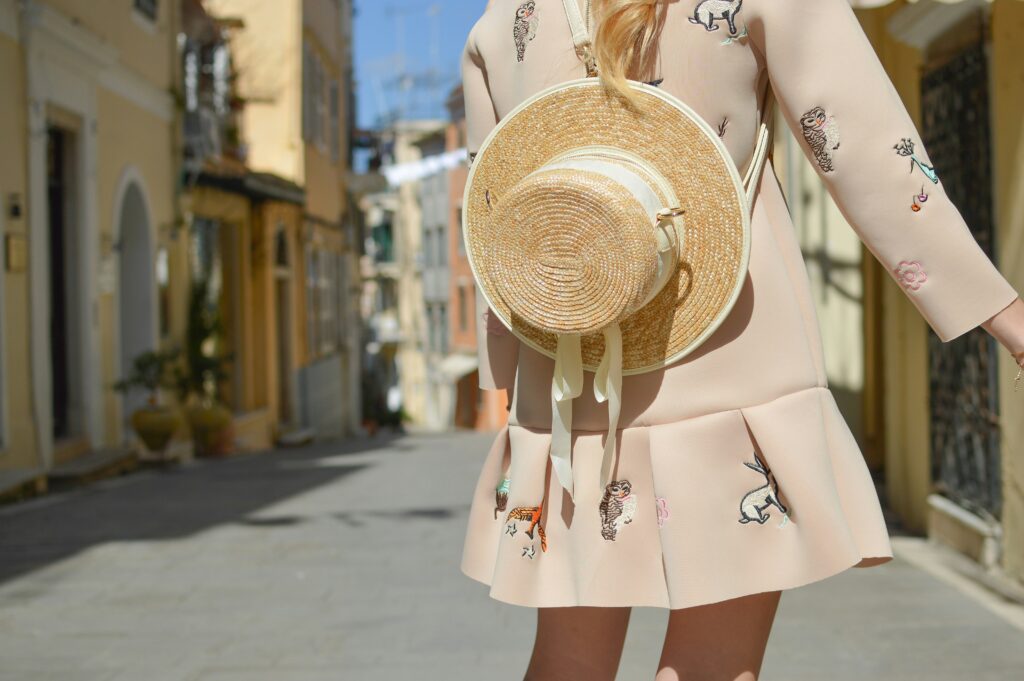
One of the most important fashion tips is choosing clothing that fits properly. Even the simplest clothing pieces can look stylish when they fit well.
Clothing that fits correctly enhances your body shape and creates a clean and balanced silhouette. Shirts should sit comfortably on the shoulders and allow easy movement without appearing too tight or too loose.
Similarly, trousers and jeans should fit comfortably around the waist and hips while maintaining a smooth line along the legs. Well-fitted clothing often looks more polished and stylish.
Oversized clothing can sometimes be fashionable, but it should be balanced carefully. Pairing loose clothing with more fitted pieces helps maintain harmony in an outfit.
Tailoring is another useful option for improving clothing fit. Small adjustments such as shortening sleeves or adjusting waistlines can make a significant difference in how clothing looks.
When clothes fit properly, even basic outfits can appear more refined and stylish.
Building a Practical and Versatile Wardrobe
A practical wardrobe is essential for creating stylish everyday outfits. Instead of having too many random clothing items, it is helpful to focus on versatile pieces that can be mixed and matched easily.
Essential wardrobe items often include plain t-shirts, classic shirts, comfortable jeans, neutral trousers, lightweight sweaters, and simple jackets. These pieces serve as the foundation for many outfit combinations.
Neutral colors such as black, white, grey, navy, and beige are particularly useful because they combine easily with other colors.
A versatile wardrobe allows you to create multiple outfits from a smaller number of clothing items. For example, one shirt can be paired with jeans for a casual look or worn with trousers for a more polished style.
Quality is also important when selecting clothing pieces. Well-made garments tend to last longer and maintain their appearance over time.
Keeping your wardrobe organized also helps when creating outfits. When clothing items are easy to see, it becomes easier to experiment with combinations.
A versatile wardrobe makes everyday dressing simpler and more stylish.
Using Color Coordination to Improve Outfits

Color coordination is another important fashion skill. The way colors are combined in an outfit can greatly influence how stylish it appears.
Neutral colors often serve as the base of many outfits because they create a clean and balanced appearance. These tones also allow other colors or accessories to stand out.
Limiting the number of colors in an outfit is a useful styling guideline. Using two or three complementary colors usually creates a harmonious and polished look.
Contrast can also enhance outfit combinations. Pairing light-colored clothing with darker pieces adds depth and helps different elements stand out.
Monochromatic outfits are another stylish option. These outfits use different shades of the same color to create a cohesive and elegant look.
Patterns and prints should be balanced carefully. If one clothing item contains a pattern, the rest of the outfit should remain simple.
Understanding color coordination helps transform basic clothing pieces into stylish outfits.
Adding Layers and Accessories
Layering and accessories are simple techniques that can instantly improve everyday outfits. Even basic clothing combinations can look more stylish when additional elements are added.
Layering involves adding clothing pieces such as jackets, cardigans, or sweaters to create depth in an outfit. Layering also helps adapt clothing for different weather conditions.
Mixing different textures when layering can make outfits more visually interesting. Fabrics such as denim, cotton, wool, and leather can add subtle detail.
Accessories also play an important role in styling. Common accessories include watches, belts, bags, scarves, sunglasses, and minimal jewelry.
The key to using accessories effectively is moderation. A few well-chosen accessories can enhance an outfit, while too many can make it look cluttered.
Accessories allow you to add personality and finishing touches to your outfit.
Building Confidence in Your Personal Style
The final step in improving your fashion style is developing confidence in your clothing choices. Confidence often has a greater impact on style than clothing itself.
When people feel comfortable in their outfits, they naturally appear more confident and relaxed. This confidence enhances their overall appearance.
Developing personal style requires experimentation and self-awareness. Trying different outfit combinations helps you discover what works best for your personality and lifestyle.
Over time, you will begin to recognize patterns in your wardrobe preferences. Certain colors, clothing shapes, or outfit styles may consistently make you feel confident.
Consistency also helps strengthen your personal style. When your wardrobe contains clothing pieces that work well together, creating stylish outfits becomes easier.
Fashion should always support self-expression rather than create pressure to follow trends.
By choosing well-fitted clothing, building a versatile wardrobe, mastering color coordination, using layering and accessories effectively, and developing confidence in your style, you can improve your fashion sense and build better everyday outfits.
In the end, great style is about making smart clothing choices and wearing them with confidence.