


Looking stylish every day does not have to be complicated or time-consuming. Many people believe that fashion requires expensive clothing, designer brands, or constant attention to the latest trends. In reality, style often comes from simple choices and thoughtful outfit combinations. When you understand how to use your wardrobe effectively, even basic clothing pieces can create stylish and modern outfits.
Effortless fashion focuses on simplicity, comfort, and smart styling techniques. Instead of spending hours planning outfits, you learn how to create looks that naturally appear polished and balanced. This approach allows you to look fashionable without putting too much effort into daily dressing.
Most people already have the essential clothing pieces needed to create stylish outfits. Items like shirts, t-shirts, jeans, trousers, jackets, and sweaters are common in everyday wardrobes. The key to effortless fashion is learning how to combine these pieces in ways that look fresh and visually appealing.
Another advantage of effortless fashion is that it saves both time and money. Instead of constantly buying new clothes, you can make better use of the clothing items you already own. By developing good styling habits, you can create many different outfits from a small number of versatile pieces.
Confidence also plays an important role in effortless fashion. When you feel comfortable in what you wear, your posture and body language improve naturally. This confidence enhances your appearance and makes your outfit look even better.
In this article, we will explore simple and practical fashion ideas that can help you make your daily outfits look more stylish without requiring complicated styling techniques.
1. Choosing Simple and Versatile Clothing Pieces
The foundation of effortless style begins with choosing clothing pieces that are simple and versatile. Versatile clothing items are those that can easily be combined with different outfits and worn in multiple situations.
Examples of versatile wardrobe items include plain t-shirts, classic button-down shirts, well-fitted jeans, neutral trousers, lightweight sweaters, and simple jackets. These pieces form the base of many everyday outfits and allow you to create various combinations without needing a large wardrobe.
Neutral colors play an important role in building a versatile wardrobe. Shades such as black, white, grey, navy, and beige are easy to mix and match with other colors. These tones help create outfits that look balanced and clean.
Another advantage of versatile clothing pieces is flexibility. A simple white shirt, for example, can be paired with jeans for a casual look, worn with trousers for a professional outfit, or layered under a jacket for a more structured appearance.
Quality also matters when selecting versatile clothing. Well-made garments maintain their shape and appearance over time, making them easier to style repeatedly. Investing in a few high-quality basics can significantly improve your wardrobe.
Comfort is another important factor. Clothing that feels comfortable allows you to move naturally and maintain confidence throughout the day. Comfortable clothes also make everyday dressing more enjoyable.
By focusing on simple and versatile clothing pieces, you create a wardrobe that supports effortless fashion and stylish outfit combinations.
2. Understanding Color Coordination for Better Outfits
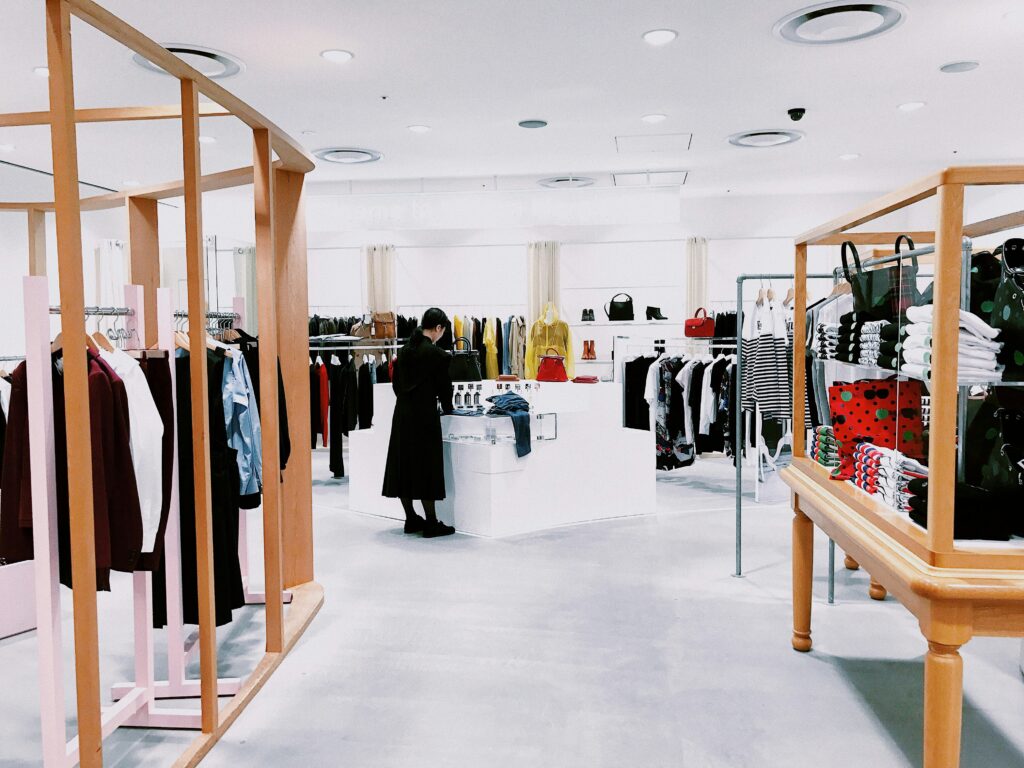
Color coordination is one of the easiest ways to improve the appearance of your daily outfits. The way colors are combined in an outfit can greatly influence how stylish and balanced it looks.
Many stylish outfits start with neutral colors as a base. Neutral tones create a clean background that allows other colors or accessories to stand out without overwhelming the outfit.
A useful styling guideline is limiting the number of colors in an outfit. Using two or three complementary colors usually creates a polished and harmonious look.
Contrast can also improve outfit combinations. Pairing light-colored clothing with darker pieces creates visual interest and helps different parts of the outfit stand out.
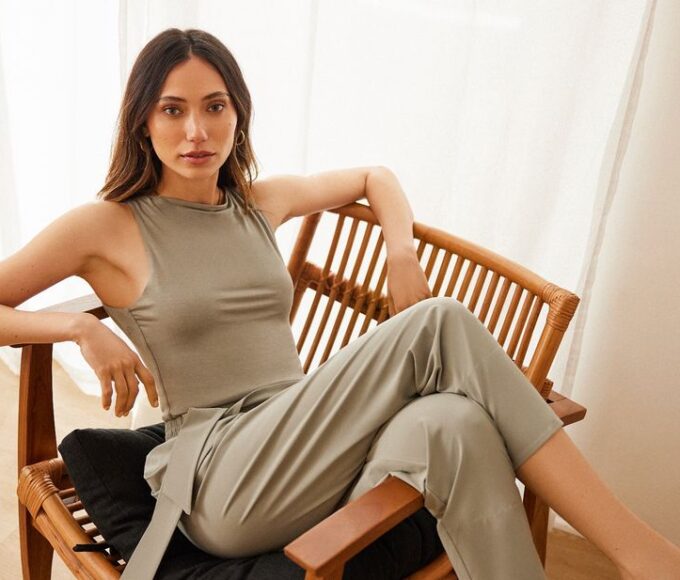
Monochromatic outfits are another stylish option. These outfits use different shades of the same color to create a cohesive and elegant appearance. For example, combining light grey with darker grey tones can produce a modern and sophisticated look.
Patterns and prints should be used carefully when coordinating colors. If one clothing item contains a bold pattern, it is usually best to keep the rest of the outfit simple.
Seasonal colors can also influence outfit choices. Brighter and lighter colors often work well in spring and summer, while deeper tones such as burgundy, navy, and olive are common in autumn and winter.
Understanding color coordination helps transform basic clothing pieces into stylish outfits that look intentional and well-balanced.
3. Using Layering Techniques to Add Style
Layering is a powerful styling technique that can instantly make everyday outfits look more fashionable. Adding layers creates depth and dimension, making simple outfits appear more interesting.
Common layering pieces include jackets, cardigans, sweaters, and lightweight coats. These items can be added to basic outfits to create a more structured and stylish look.
For example, a plain t-shirt and jeans combination can look much more stylish when paired with a denim jacket or blazer. Layering adds visual interest without making the outfit overly complicated.
Layering also provides practical benefits. It allows you to adapt your outfit to changing weather conditions while maintaining style and comfort.
Mixing different fabrics when layering can enhance the outfit even further. Combining materials such as denim, cotton, wool, or leather introduces texture and depth.
However, balance is important when layering clothing. Wearing too many layers can make an outfit look bulky, so it is best to keep the layers simple and coordinated.
The length of layered clothing pieces also affects the overall look. Jackets, shirts, and sweaters should align in a way that creates a clean silhouette.
When used correctly, layering can turn simple clothing combinations into stylish and modern outfits.
4. Enhancing Outfits with Small Details and Accessories
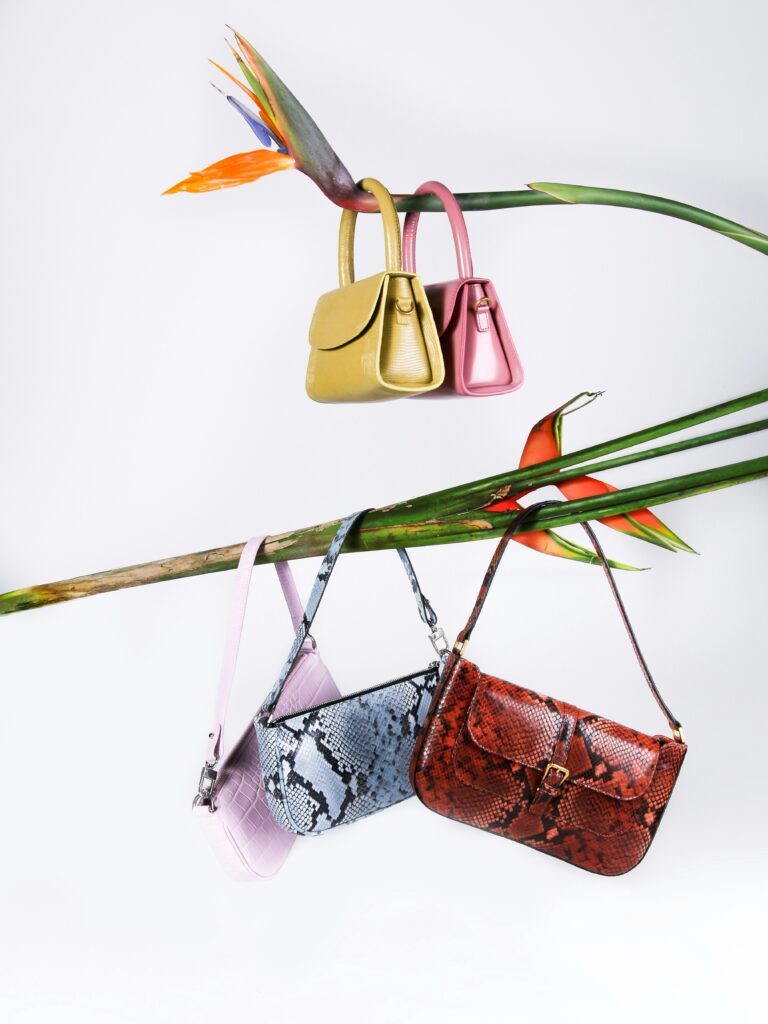
Small details often make a big difference in fashion. Accessories and finishing touches can transform simple outfits into more polished and stylish looks.
Common accessories include watches, belts, bags, scarves, sunglasses, and minimal jewelry. These items add personality and subtle style elements to an outfit.
The key to using accessories effectively is moderation. Wearing too many accessories can make an outfit appear cluttered, while a few carefully selected pieces can enhance it.
For example, a classic watch can add elegance to a simple outfit. A belt can help define the shape of the outfit and create a more structured appearance.
Bags are another important accessory that combines style with practicality. Choosing a bag that complements your outfit can improve your overall appearance.
Scarves and hats can also add depth to outfits while providing comfort in colder weather.
Another important detail is clothing maintenance. Clean and well-ironed clothes, polished shoes, and properly fitted garments contribute greatly to a stylish appearance.
Paying attention to these small details ensures that even simple outfits look refined and complete.
5. Developing Confidence in Your Everyday Style
The most important element of effortless fashion is confidence. Clothing alone does not create style; the way you carry yourself also plays a significant role.
When you feel comfortable in what you are wearing, your posture and body language naturally improve. This confidence enhances the overall impression of your outfit.
Developing confidence in your style requires experimentation. Trying different outfit combinations helps you understand what works best for your personality and lifestyle.
Over time, you will begin to recognize patterns in your wardrobe preferences. Certain colors, clothing shapes, or outfit styles may consistently make you feel confident.
Consistency also helps build a recognizable personal style. When your wardrobe contains clothing pieces that work well together, creating stylish outfits becomes easier.
Fashion should always support self-expression rather than create pressure to follow trends. The goal is to feel comfortable, confident, and authentic in your clothing choices.
By focusing on versatile clothing pieces, mastering color coordination, using layering techniques, adding thoughtful accessories, and developing confidence in your style, you can create stylish everyday outfits with minimal effort.
In the end, effortless fashion is about simplicity, creativity, and confidence. With the right approach, even a small wardrobe can produce stylish outfits that make you look polished and confident every day.