


Many people believe that looking stylish requires constantly buying new clothes or following every fashion trend. In reality, creating stylish outfits often depends more on how you use the clothes you already own. Most wardrobes already contain enough clothing pieces to build many fashionable outfits, but the challenge is learning how to combine them effectively.
Your existing wardrobe likely includes essential items such as shirts, t-shirts, jeans, trousers, jackets, and sweaters. These pieces can be styled in different ways to create fresh looks for various occasions. The key is understanding how to mix and match them while maintaining balance and simplicity.
Creating stylish outfits from your existing wardrobe also helps you become more mindful about your fashion choices. Instead of purchasing clothing impulsively, you learn how to maximize the value of the items you already have. This approach not only saves money but also encourages a more organized and thoughtful wardrobe.
Another advantage of styling your current wardrobe is that it helps you develop a stronger sense of personal style. By experimenting with different combinations, you discover what works best for your personality, lifestyle, and body shape.
Fashion does not have to be complicated. With the right strategies, even basic clothing pieces can be transformed into stylish outfits that look modern and well-balanced.
In this guide, we will explore practical methods for creating stylish outfits using the clothing items you already have in your wardrobe.
Organizing Your Wardrobe for Better Styling

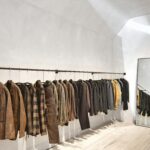
The first step in creating stylish outfits from your existing wardrobe is organizing your clothes properly. When clothing items are scattered or hidden, it becomes difficult to see all the options available to you.
Start by sorting your clothes into categories such as shirts, t-shirts, trousers, jeans, jackets, and accessories. This simple step helps you understand what pieces you already own and how they might work together.
Another helpful strategy is arranging clothing by color. When clothes are organized by color groups, it becomes easier to visualize outfit combinations and coordinate colors effectively.
While organizing your wardrobe, you may also discover clothing items that you rarely wear. These pieces might still be useful if styled differently or paired with other items.
Keeping your wardrobe organized saves time when selecting outfits and helps you make better styling decisions.
An organized wardrobe allows you to see your clothing as a collection of styling possibilities rather than a random assortment of items.
Identifying Versatile Clothing Pieces
Versatile clothing pieces are the foundation of stylish outfits. These are items that can easily be combined with other clothes to create multiple outfit combinations.
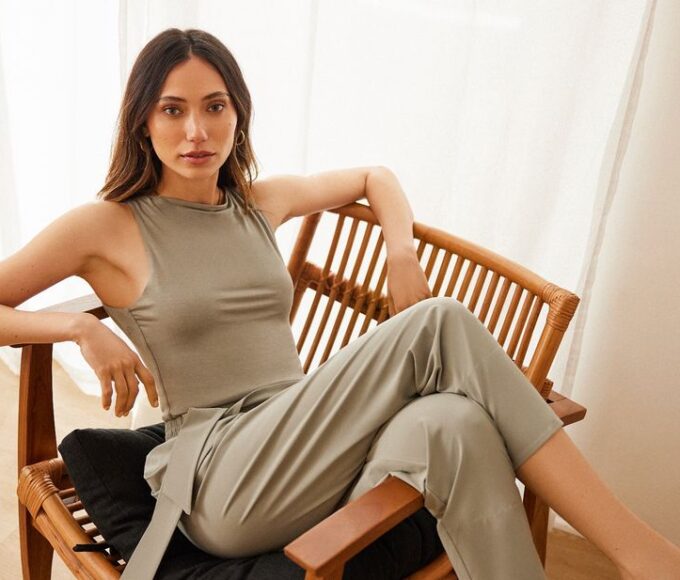
Examples of versatile wardrobe pieces include plain t-shirts, classic shirts, well-fitted jeans, neutral trousers, lightweight sweaters, and simple jackets. These items are flexible and suitable for different occasions.
Neutral colors such as black, white, grey, navy, and beige are particularly useful because they match easily with other colors. These tones form a strong base for stylish outfits.
Versatile clothing pieces allow you to experiment with different combinations without needing a large wardrobe. For example, a single shirt can be paired with jeans for a casual look or worn with trousers for a more formal appearance.
Quality also plays an important role. Well-made clothing items maintain their shape and appearance over time, making them easier to style repeatedly.
When your wardrobe contains versatile clothing pieces, creating stylish outfits becomes much simpler.
Learning to Mix and Match Clothing Effectively
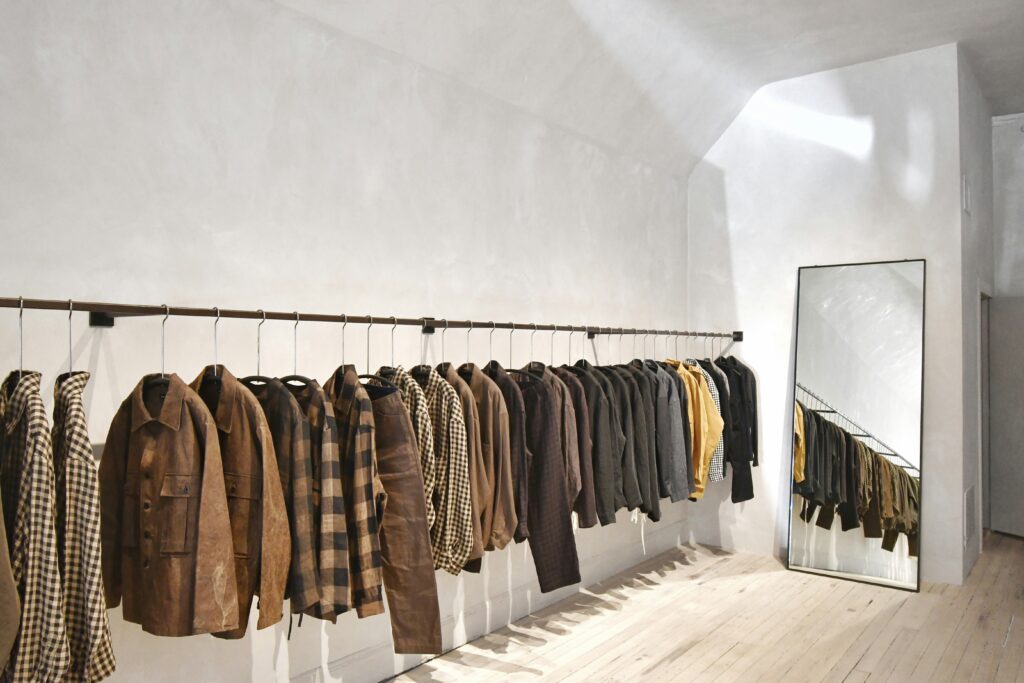
Mixing and matching clothing pieces is one of the most important skills in fashion styling. By combining clothes creatively, you can create many different outfits from a limited number of items.
For example, a simple t-shirt can be worn with jeans for a casual look, paired with trousers for a cleaner style, or layered under a jacket for a more structured outfit.
Color coordination plays a key role in mixing and matching clothes. Limiting outfits to two or three colors often creates a balanced and visually appealing look.
Contrast can also improve outfit combinations. Pairing lighter clothing with darker pieces adds depth and helps different elements stand out.
Patterns and textures can also add variety to outfits. However, it is usually best to balance patterned items with simpler clothing pieces.
Experimenting with different combinations allows you to discover new outfit ideas using the clothes you already own.
Over time, this practice helps you develop stronger styling skills and confidence in your fashion choices.
Enhancing Outfits with Accessories and Layers
Accessories and layering techniques can instantly improve simple outfits. Even basic clothing combinations can appear more stylish when additional elements are added.
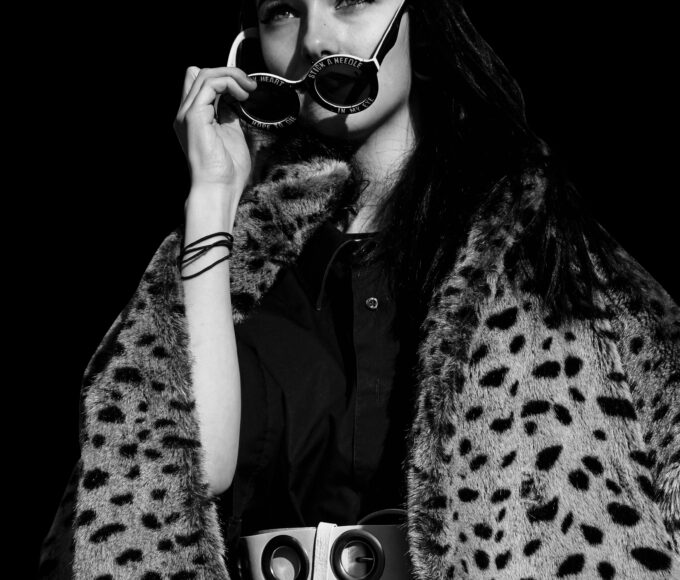
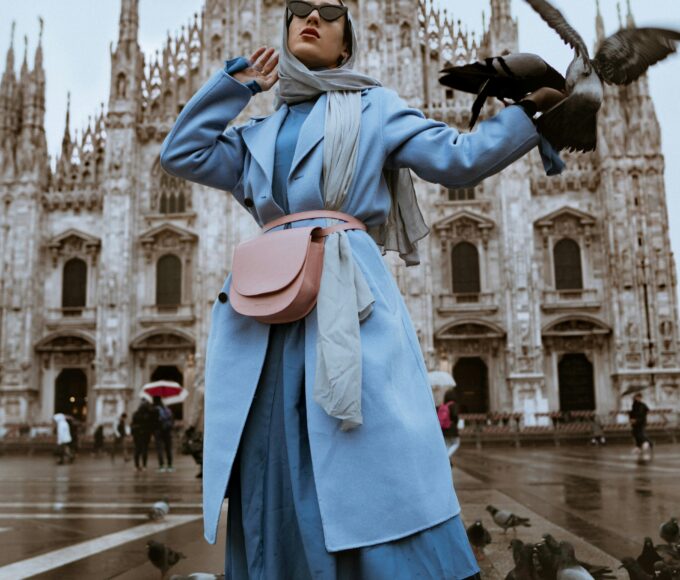
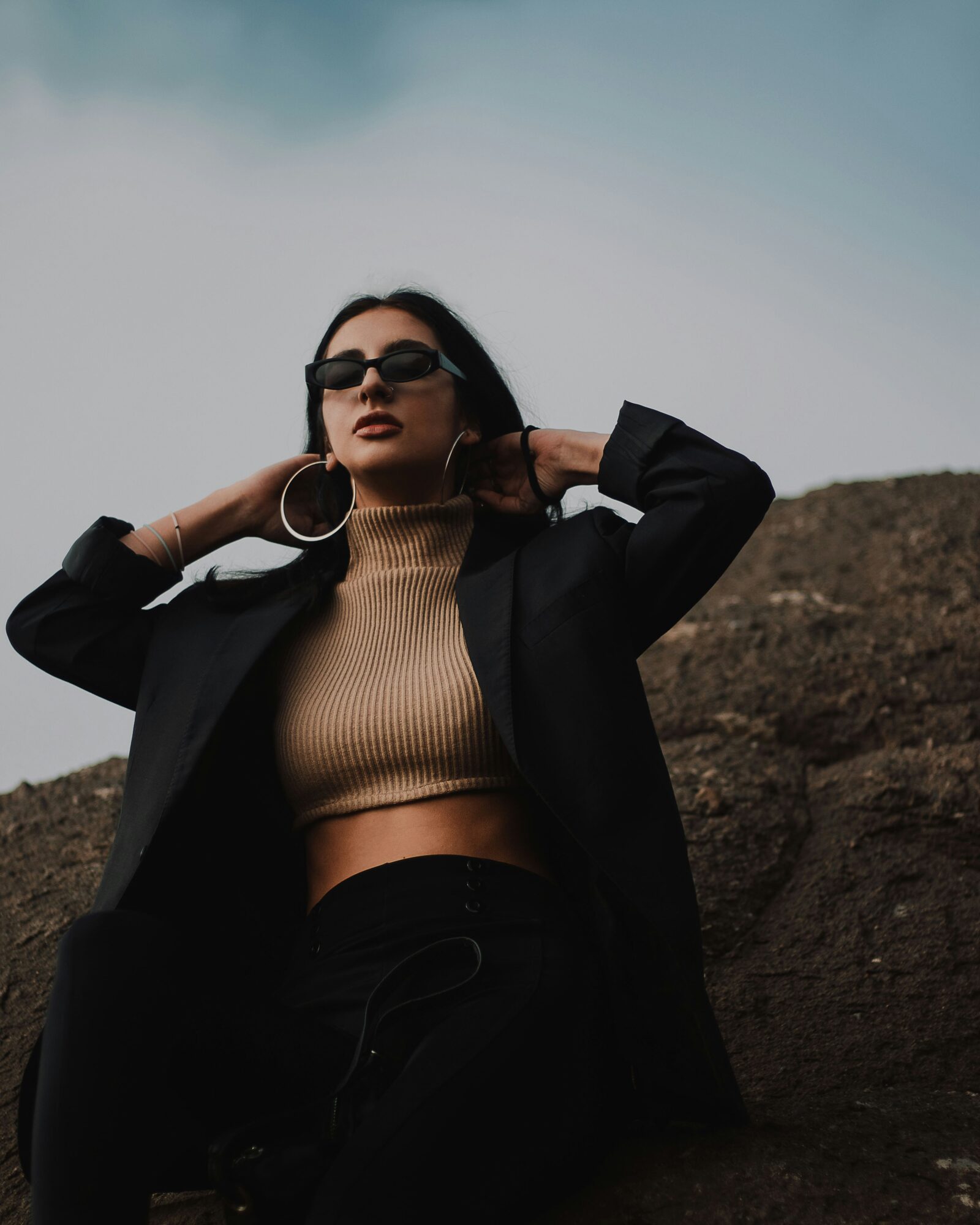
Common accessories include watches, belts, bags, scarves, sunglasses, and minimal jewelry. These items add personality and detail to an outfit.
The key to using accessories effectively is moderation. Wearing too many accessories can make an outfit look cluttered, while a few carefully selected pieces can enhance the overall appearance.
Layering is another useful styling technique. Adding jackets, cardigans, or sweaters creates depth and dimension in an outfit.
Layering also helps adapt outfits for different weather conditions while maintaining a stylish look.
Combining different fabrics and textures can also add interest to outfits without making them overly complicated.
Accessories and layers allow you to transform simple clothing combinations into stylish and polished outfits.
Building Confidence in Your Personal Style
The final step in creating stylish outfits from your existing wardrobe is developing confidence in your personal style. Confidence plays a major role in how outfits are perceived.
When people feel comfortable and confident in their clothing, their posture and body language naturally improve. This confidence enhances their overall appearance.
Developing personal style takes time and experimentation. Trying different outfit combinations helps you discover what works best for your personality and lifestyle.
Over time, you will begin to recognize patterns in your wardrobe preferences. Certain colors, clothing shapes, or outfit styles may consistently make you feel confident.
Consistency also helps build a recognizable personal style. When your wardrobe contains clothing pieces that work well together, creating outfits becomes easier.
Fashion should always support self-expression rather than create pressure to follow trends.
By organizing your wardrobe, identifying versatile clothing pieces, learning how to mix and match outfits, enhancing looks with accessories and layers, and developing confidence in your style, you can create stylish outfits from your existing wardrobe.
In the end, the ultimate guide to style is not about owning more clothes but about using what you already have in a creative and thoughtful way.