


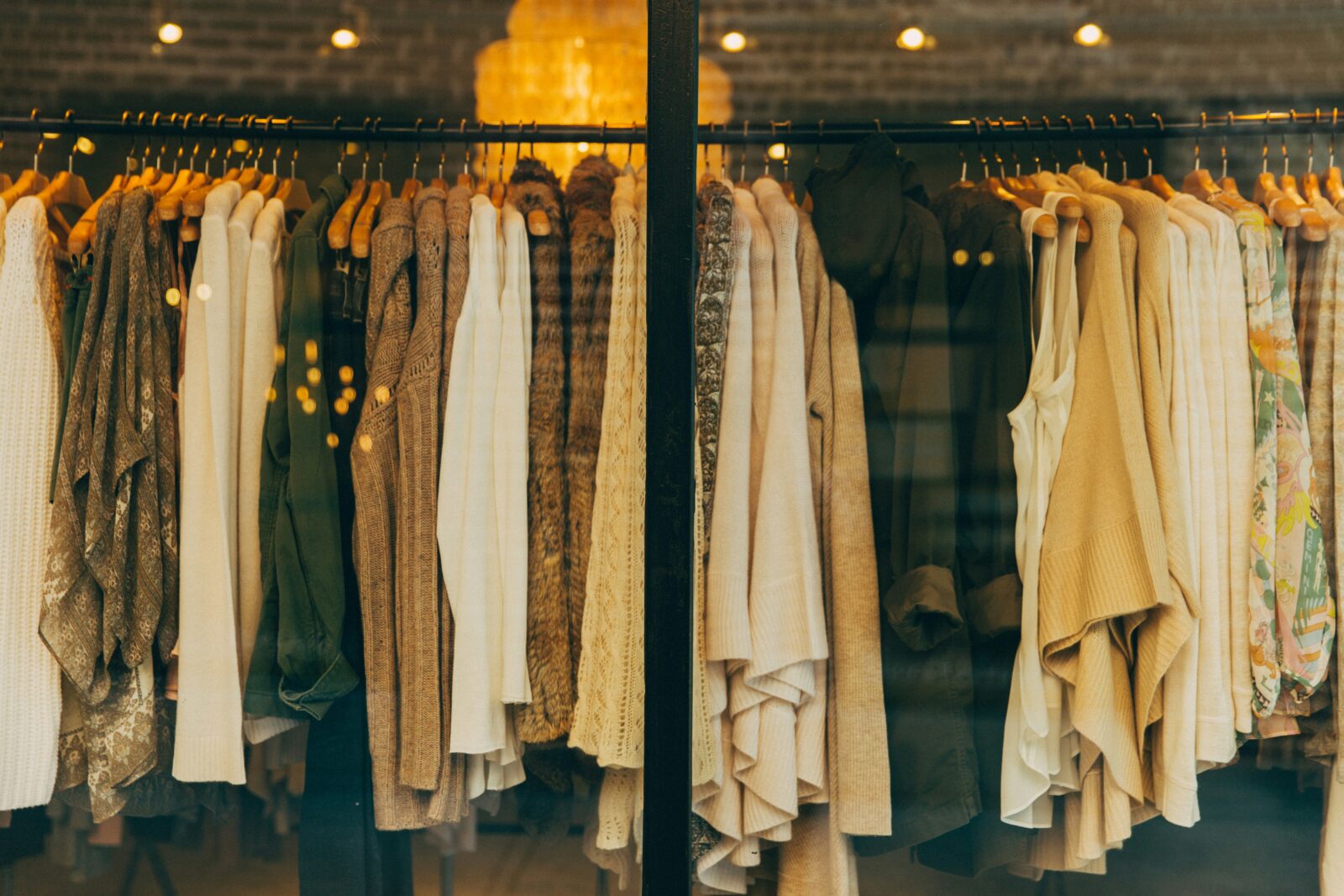
Fashion is not just about clothing; it is a way of presenting yourself to the world. The way you dress often influences how others perceive you and can also affect how confident you feel. Many people believe that looking stylish requires expensive clothes or constantly following new trends. However, the truth is that style is more about smart choices and thoughtful outfit combinations than about price or brand names.
Learning a few practical fashion strategies can help you dress better in almost any situation. Whether you are going to work, attending a social gathering, traveling, or simply spending time with friends, the right clothing choices can help you look confident and well-dressed.
One of the key ideas behind good fashion is balance. When clothing pieces are chosen carefully and combined thoughtfully, even simple outfits can look polished and stylish. Understanding how to coordinate colors, choose versatile clothing, and maintain a well-organized wardrobe can make a big difference.
Fashion strategies also help you make the most of the clothes you already own. Instead of buying new clothing frequently, you can learn how to create multiple outfits from the same pieces by mixing and matching them creatively.
In this article, we will explore several fashion strategies that can help you dress better and maintain a stylish appearance in any situation.
Building a Versatile Wardrobe for Every Occasion
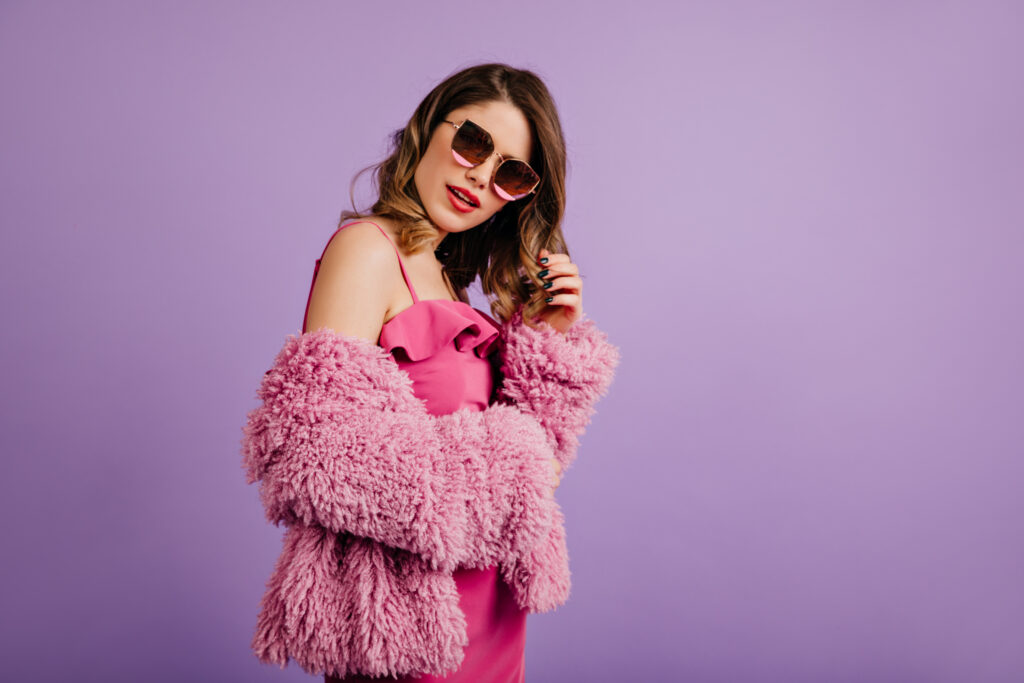
One of the most effective fashion strategies is building a wardrobe that includes versatile clothing pieces. Versatile clothing items can be worn in many different situations and combined with various outfits.
A well-balanced wardrobe usually contains essential items such as plain t-shirts, classic shirts, comfortable jeans, neutral trousers, lightweight sweaters, and simple jackets. These pieces form the foundation of many outfit combinations.
Neutral colors play a major role in creating a versatile wardrobe. Colors such as black, white, grey, navy, and beige are easy to mix and match with other clothing pieces. They also help create outfits that appear balanced and polished.
When your wardrobe contains versatile pieces, dressing for different situations becomes much easier. A simple shirt can be paired with jeans for a casual outing or combined with formal trousers for a more professional look.
Quality is also important when building a wardrobe. Well-made clothing tends to last longer and maintain its appearance over time. Investing in durable clothing pieces ensures that your wardrobe remains reliable.
Organizing your wardrobe can also help improve your outfit choices. When clothing items are arranged neatly, it becomes easier to visualize combinations and create stylish outfits quickly.
A versatile wardrobe allows you to adapt your style to different situations while maintaining a consistent and confident appearance.
Choosing the Right Fit for a Polished Look
Clothing fit is one of the most important elements of dressing well. Even the most basic clothing pieces can look stylish when they fit properly.
Well-fitted clothing enhances your body shape and creates a neat and balanced appearance. Shirts should sit comfortably on the shoulders and allow easy movement without appearing too tight or too loose.
Trousers and jeans should fit comfortably around the waist and hips while maintaining a clean silhouette along the legs. Clothing that fits well contributes to a polished and structured outfit.
Oversized clothing can sometimes work as a fashion statement, but it should be balanced carefully. Pairing loose clothing with more fitted pieces helps maintain harmony in an outfit.
Tailoring is another useful option for achieving the perfect fit. Small adjustments to sleeve length or waist size can significantly improve the appearance of clothing.
Comfort is also important when choosing clothing fit. Clothes that feel comfortable allow you to move naturally and maintain confidence throughout the day.
When clothing fits properly, even simple outfits can look sophisticated and stylish.
Mastering Color Coordination for Balanced Outfits
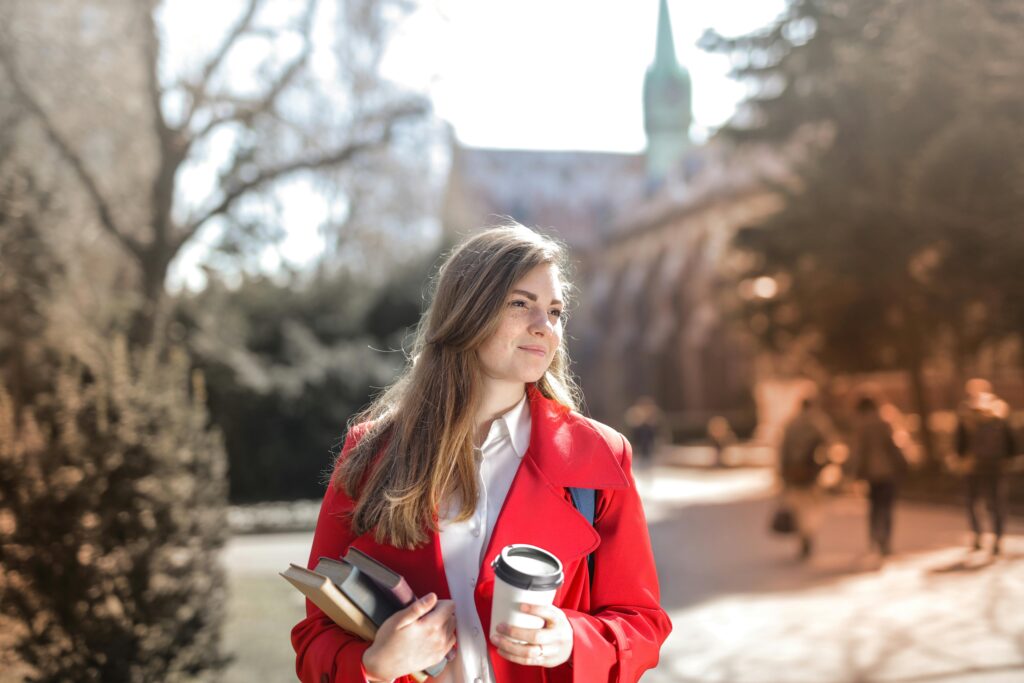
Color coordination is another key strategy for dressing stylishly in any situation. The way colors are combined in an outfit can greatly influence its overall appearance.
Many stylish outfits begin with neutral colors as a base. Neutral tones create a clean and minimal background that allows other clothing elements to stand out.
Limiting the number of colors in an outfit often helps create a balanced look. Using two or three complementary colors usually results in a polished and harmonious appearance.
Contrast can also enhance an outfit. Pairing light-colored clothing with darker pieces creates visual interest and helps different elements stand out.
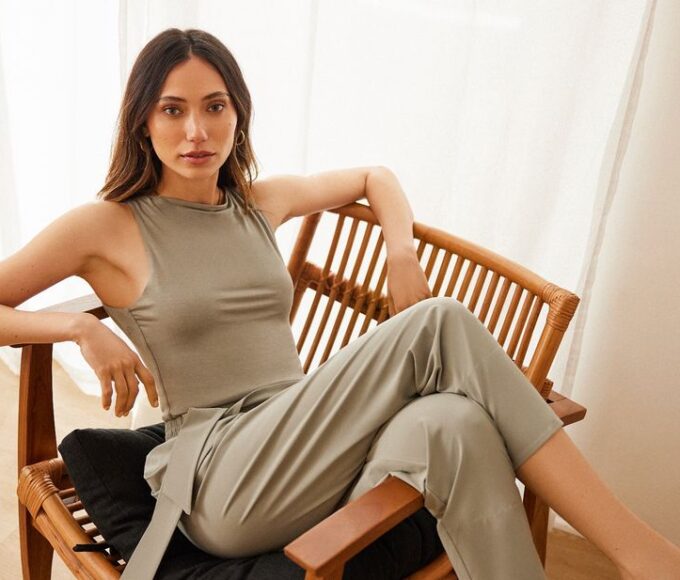
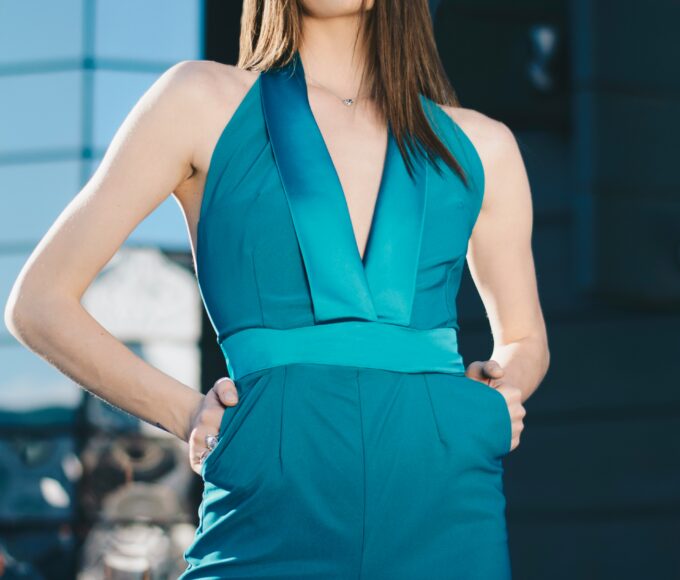
Monochromatic outfits are another stylish option. These outfits use different shades of the same color to create a cohesive and elegant appearance.
Patterns and prints should be balanced carefully. When one clothing piece includes a pattern, the rest of the outfit should remain simple to avoid visual clutter.
Understanding color coordination allows you to create outfits that appear thoughtful and stylish in various situations.
Using Accessories to Enhance Your Style
Accessories are small details that can significantly improve an outfit. Even simple clothing combinations can look more refined when complemented by the right accessories.
Common accessories include watches, belts, bags, scarves, sunglasses, and simple jewelry. These items add personality and detail to an outfit without making it overly complicated.
The key to using accessories effectively is balance. Wearing too many accessories can make an outfit appear cluttered, while a few well-chosen pieces create a polished look.
For example, a classic watch and belt can instantly make a casual outfit appear more sophisticated. Similarly, a stylish bag can add character to a simple clothing combination.
Accessories can also introduce subtle color accents that complement the rest of the outfit. Matching accessories with clothing colors helps maintain a cohesive appearance.
Seasonal accessories such as scarves or hats can also add texture and dimension to outfits while maintaining comfort.
When used thoughtfully, accessories help transform everyday outfits into stylish and complete looks.
Developing Confidence in Your Personal Style
The final and most important fashion strategy is developing confidence in your personal style. Clothing alone does not define style; confidence plays a major role in how an outfit is perceived.
When you feel comfortable in your clothing, you naturally appear more confident and relaxed. This confidence enhances your overall appearance and makes outfits look more appealing.
Developing personal style requires experimentation and self-awareness. Trying different clothing combinations helps you discover what works best for your body type, lifestyle, and preferences.
Over time, you may notice patterns in your wardrobe preferences. Certain colors, fabrics, or clothing shapes may consistently make you feel more confident.
Consistency also helps create a recognizable personal style. When your wardrobe follows a similar color palette and design approach, creating outfits becomes easier.
Fashion should always support self-expression rather than create pressure to follow trends. The goal is to feel comfortable, confident, and authentic in what you wear.
By building a versatile wardrobe, choosing well-fitted clothing, coordinating colors effectively, using accessories thoughtfully, and developing confidence in your style, you can dress better and look stylish in any situation.
In the end, fashion strategies are not about complexity but about making thoughtful clothing choices that reflect your personality and lifestyle.