




Many people believe that looking well-dressed requires expensive clothing, luxury brands, and constant shopping. However, true style is not determined by the price of your clothes but by how thoughtfully you choose and combine them. With the right fashion habits, anyone can look polished and stylish without spending too much money.
Fashion is often about smart decisions rather than large budgets. By focusing on clothing fit, wardrobe organization, color coordination, and versatile pieces, you can create outfits that look elegant and balanced without relying on costly items.
Developing good fashion habits also helps you become more aware of your personal style. Instead of buying clothes impulsively, you begin to make thoughtful choices that suit your lifestyle and personality. This approach not only saves money but also helps create a wardrobe where most clothing pieces work well together.
Another advantage of smart fashion habits is that they encourage long-term thinking. Instead of constantly chasing new trends, you learn to focus on clothing that remains stylish and practical over time.
When people learn how to manage their wardrobe effectively, they often discover that they already own enough clothing to create many different outfits. The key is understanding how to mix and match items in a balanced and creative way.
In this article, we will explore several smart fashion habits that can help you look well-dressed every day while keeping your clothing budget under control.
Choosing Quality Over Quantity
One of the most important fashion habits is prioritizing quality over quantity. Instead of buying many inexpensive clothing items that wear out quickly, it is often better to invest in fewer pieces that are durable and well-made.
High-quality clothing tends to maintain its shape, color, and overall appearance for a longer period of time. This means you do not need to replace it as often, which ultimately saves money in the long run.
Quality clothing also tends to look more polished and refined. Even simple garments appear more stylish when they are made from good materials and constructed well.
When shopping for clothes, it is helpful to examine fabric quality, stitching, and overall durability. Choosing clothing made from strong and comfortable materials ensures that the items remain useful for many seasons.
Another advantage of focusing on quality is that it encourages more thoughtful purchasing decisions. Instead of buying clothing impulsively, you begin to select pieces that truly add value to your wardrobe.
Over time, a wardrobe built around high-quality pieces becomes more reliable and easier to style.
Building a Versatile Wardrobe with Essential Pieces
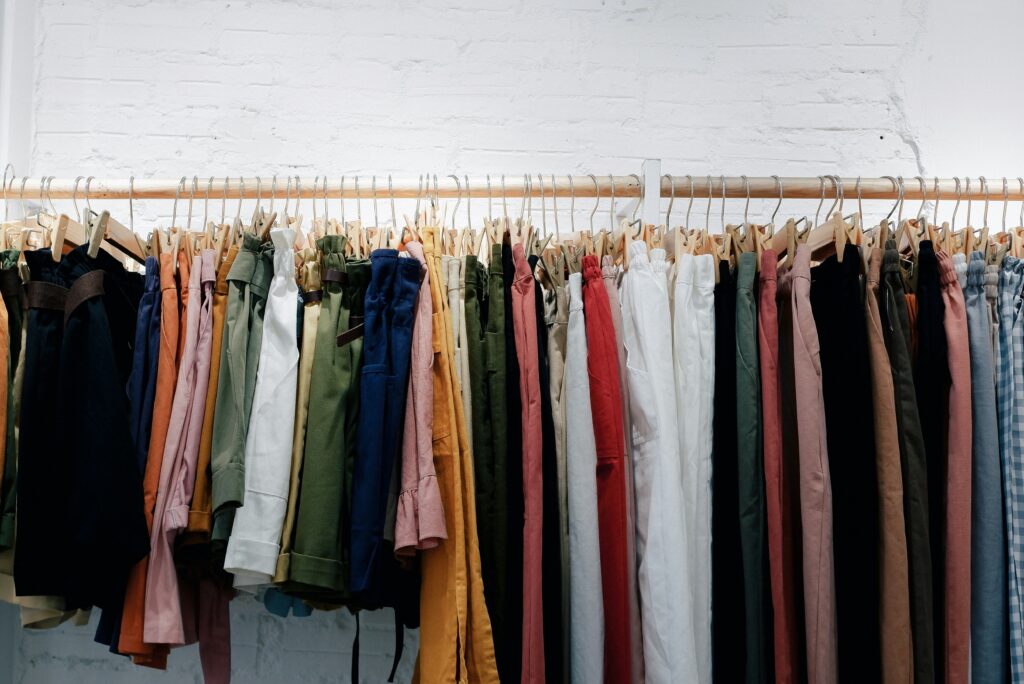
Another smart fashion habit is building a wardrobe that contains versatile clothing pieces. These items can be combined in many different ways, allowing you to create multiple outfits without needing a large number of clothes.
Essential wardrobe items often include plain t-shirts, classic shirts, comfortable jeans, neutral trousers, simple jackets, and practical shoes. These pieces are easy to mix and match and can be worn in different settings.
Neutral colors such as black, white, grey, navy, and beige are especially useful because they combine easily with other colors. A wardrobe built around neutral tones makes outfit coordination much simpler.
Versatile clothing items also allow you to adapt your outfits for different occasions. For example, a simple shirt can be paired with jeans for a casual look or worn with formal trousers for a more professional appearance.
When building a versatile wardrobe, it is important to focus on timeless designs rather than short-lived trends. Timeless clothing remains stylish for many years and continues to work well in different outfit combinations.
By selecting clothing that works in multiple situations, you can maximize the value of each item in your wardrobe.
Taking Care of Your Clothes Properly
Another important habit that helps maintain a stylish appearance is taking proper care of your clothing. Even expensive garments can look worn out if they are not maintained correctly.
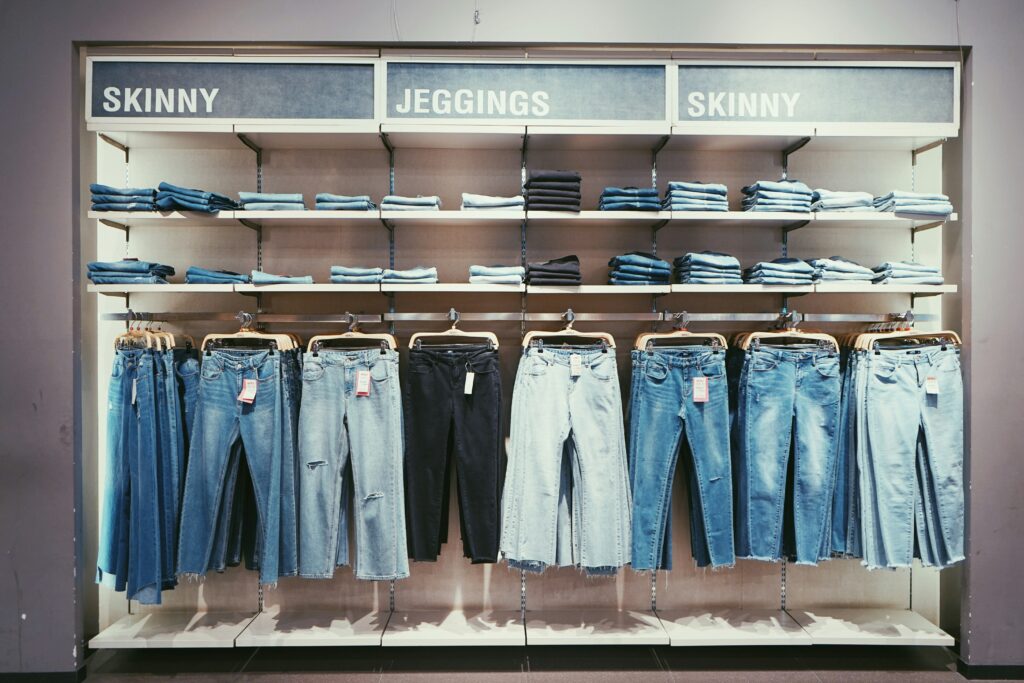
Simple habits such as washing clothes carefully, storing them properly, and ironing them when necessary can significantly improve their appearance. Clean and well-maintained clothing always looks more stylish than wrinkled or damaged garments.
Proper storage also helps extend the life of your clothes. Hanging shirts and jackets correctly prevents wrinkles and maintains their shape. Folding delicate items carefully also helps preserve their condition.
Repairing small issues such as loose buttons or minor tears can also prevent clothing from becoming unusable. Small repairs are usually quick and inexpensive but can greatly extend the lifespan of garments.
Keeping shoes clean and well-maintained is another important aspect of clothing care. Polished and clean shoes contribute significantly to a well-dressed appearance.
By developing good clothing care habits, you can keep your wardrobe looking fresh and stylish without needing to replace items frequently.
Learning the Art of Mixing and Matching
One of the most valuable fashion skills is learning how to mix and match clothing effectively. This skill allows you to create many different outfits from a limited number of clothing items.
Mixing and matching involves combining clothing pieces in ways that create balance and harmony. This often includes coordinating colors, balancing clothing proportions, and choosing complementary styles.
For example, a simple t-shirt can be paired with jeans, trousers, or layered under a jacket to create different looks. By experimenting with combinations, you can discover new outfit ideas using clothes you already own.
Color coordination also plays an important role in mixing and matching outfits. Limiting outfits to two or three complementary colors usually creates a balanced and polished look.
Accessories can also help create variety in outfit combinations. A watch, belt, scarf, or bag can transform a simple outfit into something more stylish without requiring new clothing.
The more you practice mixing and matching clothing items, the easier it becomes to create outfits that look thoughtful and well-coordinated.
Developing Confidence in Your Personal Style
The final and most important fashion habit is developing confidence in your personal style. Style is not about copying others or following every trend but about wearing clothes that reflect your personality and lifestyle.
Confidence plays a significant role in how an outfit is perceived. When you feel comfortable in your clothing, you naturally appear more relaxed and self-assured.
Developing personal style requires experimentation and self-awareness. Trying different clothing combinations helps you understand which styles suit you best.
Over time, you begin to recognize patterns in your wardrobe preferences. You may find that certain colors, fabrics, or clothing shapes consistently make you feel confident.
Consistency also helps create a recognizable personal style. When your wardrobe follows a similar color palette and clothing design approach, it becomes easier to create balanced outfits.
Fashion should always support comfort and self-expression rather than creating pressure to spend money unnecessarily.
By focusing on quality clothing, building a versatile wardrobe, caring for your garments, learning to mix and match outfits, and developing confidence in your personal style, you can look well-dressed every day without spending too much money.
In the end, smart fashion habits allow you to make the most of your wardrobe while maintaining a stylish and confident appearance.