



Fashion is more than just wearing clothes. It is a powerful way to express personality, confidence, and lifestyle. The way you dress communicates a message before you even say a word. A well-planned outfit can make you feel confident, comfortable, and ready to face the world.
Many people think fashion requires expensive clothing or following every new trend. In reality, improving your fashion style is about understanding what works for you, choosing the right combinations, and building a wardrobe that reflects your personality. Even simple clothes can look amazing when styled properly.
Creating better outfit combinations also helps you make the most of the clothes you already own. Instead of constantly buying new items, you can learn how to mix and match pieces to create different looks for various occasions.
Fashion style evolves over time. As people grow and change, their clothing preferences also develop. By understanding the basics of style, color coordination, and wardrobe planning, anyone can improve their fashion sense and create outfits that look balanced and stylish.
In this article, we will explore practical strategies to improve your fashion style and learn how to combine clothes effectively so that every outfit looks confident, modern, and well-put-together.
Understanding Your Personal Fashion Style
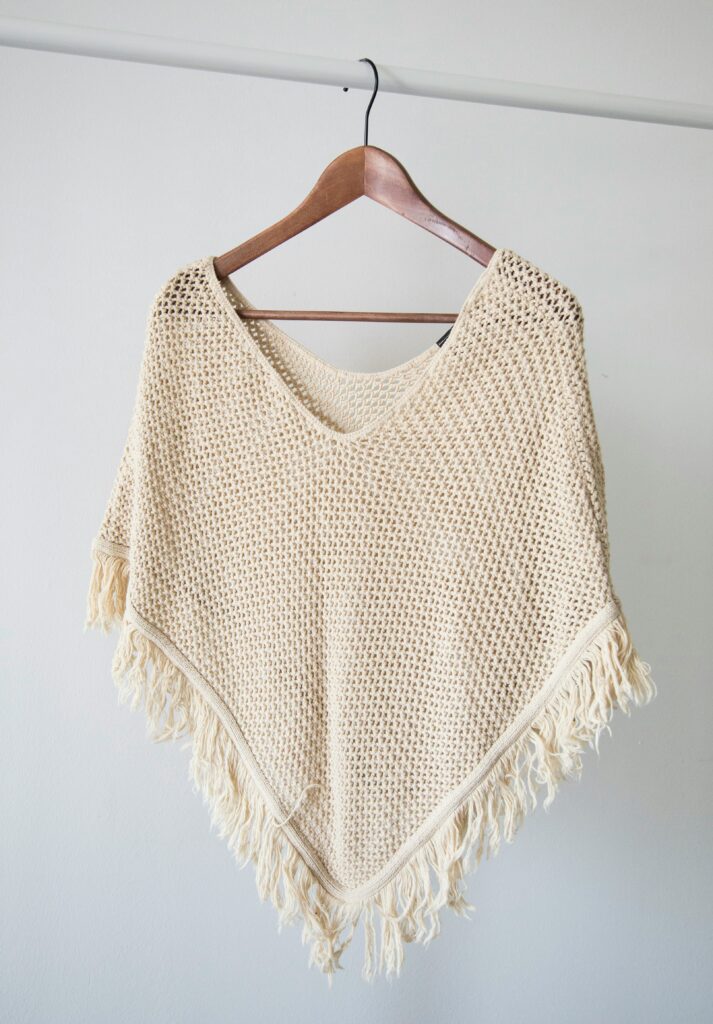
The first step in improving fashion style is understanding your personal taste. Everyone has a unique style that reflects their personality, lifestyle, and preferences. Some people prefer minimal and clean looks, while others enjoy bold colors and expressive clothing.
Personal style is not about copying someone else’s wardrobe. Instead, it is about discovering what makes you feel comfortable and confident. When you wear clothes that match your personality, your confidence naturally increases.
Start by observing the types of outfits you feel most comfortable in. Pay attention to the colors, fabrics, and silhouettes that suit you best. Some people prefer neutral tones such as black, white, grey, or beige, while others enjoy brighter colors that make their outfits stand out.
Lifestyle also plays a major role in fashion choices. Someone working in a corporate environment may prefer structured outfits, while someone with a creative lifestyle may prefer relaxed and expressive clothing.
Another useful method is to identify fashion inspirations. You can look at fashion blogs, magazines, or social media for inspiration. Instead of copying outfits exactly, try to understand why certain combinations work well and adapt them to your own wardrobe.
Body type awareness is also important when defining personal style. Clothes that fit well enhance your appearance and help create balanced proportions. Proper fitting clothing often looks more stylish than expensive but poorly fitted garments.
Over time, your personal style becomes clearer. The goal is not to follow every trend but to create a wardrobe that consistently reflects your personality and lifestyle.
Building a Versatile and Practical Wardrobe
A strong fashion style begins with a well-organized wardrobe. Instead of having too many random clothing items, it is better to focus on versatile pieces that can be combined in different ways.
A practical wardrobe contains essential clothing items that work well together. These pieces are often simple, timeless, and easy to style. Neutral colors usually form the foundation of such wardrobes because they can be paired with many other colors.
Basic clothing items such as well-fitted jeans, classic shirts, comfortable t-shirts, structured jackets, and simple shoes are the backbone of a functional wardrobe. These items create the base for many outfit combinations.
Quality is also more important than quantity. Investing in well-made clothing ensures durability and better appearance over time. Clothes that maintain their shape and fabric quality continue to look stylish even after multiple uses.
Organizing your wardrobe also helps improve outfit combinations. When clothes are neatly arranged, it becomes easier to see which items work well together. Many people rediscover forgotten clothing pieces simply by reorganizing their wardrobe.
Seasonal planning is another helpful approach. Having separate sections for summer, winter, and transitional clothing allows you to quickly build outfits suitable for the weather.
Accessories also play a role in wardrobe versatility. Items such as belts, watches, scarves, and bags can completely transform an outfit without requiring new clothes.
A well-structured wardrobe saves time when choosing outfits and ensures that most pieces can be combined easily, creating a consistent and stylish look.
Learning the Basics of Color Coordination
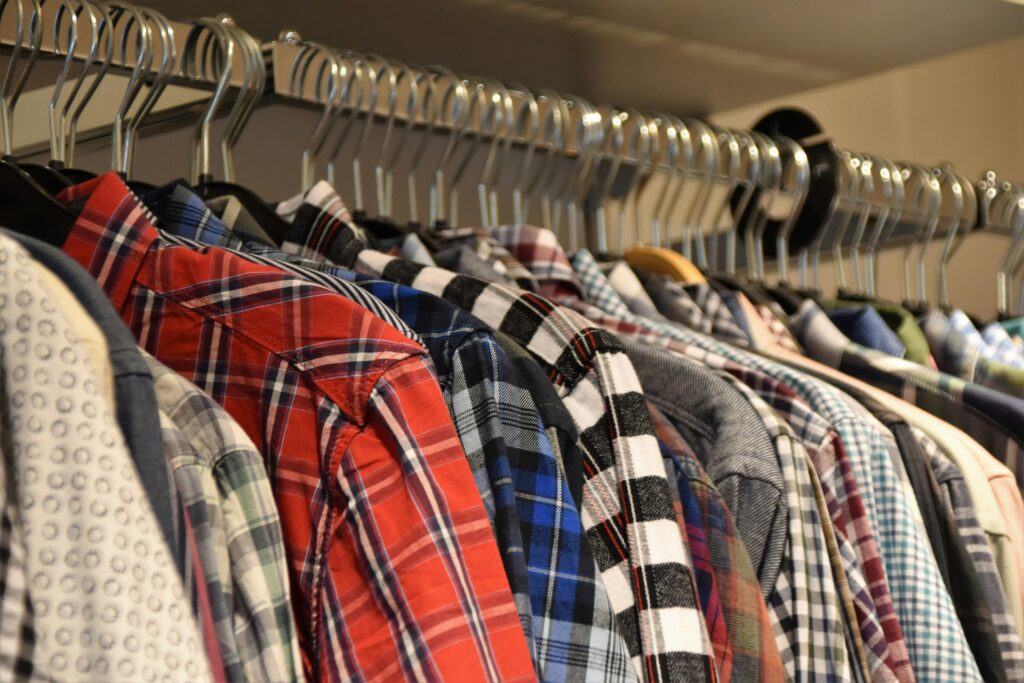
Color coordination is one of the most important elements of creating stylish outfits. Even simple clothes can look impressive when colors are combined correctly.
Understanding basic color principles helps create balanced outfits. Neutral colors such as black, white, grey, navy, and beige are often used as the base of an outfit. These colors are versatile and can be paired with almost any other shade.
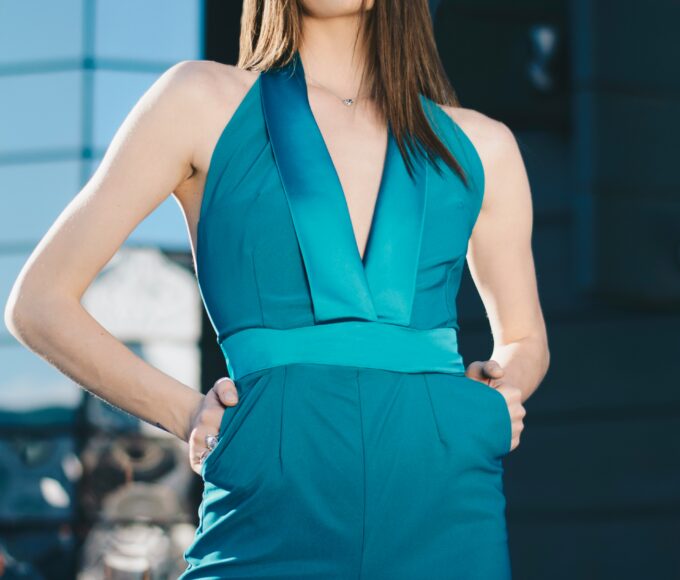
Adding one or two complementary colors creates visual interest without making the outfit look overwhelming. For example, pairing a neutral outfit with a single bold color can make the entire look more attractive.
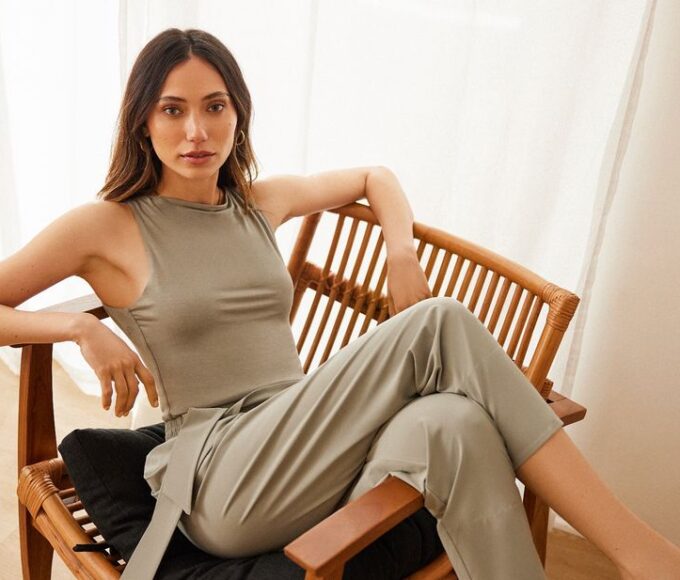
Monochromatic outfits are another stylish option. This style uses different shades of the same color to create a clean and sophisticated appearance. For example, combining light grey with dark grey can create a modern and polished look.
Contrast also plays a role in color coordination. Light and dark colors combined together can create a balanced and visually appealing outfit. For instance, a light shirt paired with darker trousers creates a natural contrast.
Patterns should be used carefully when coordinating colors. When wearing patterned clothing, it is often best to keep the rest of the outfit simple to maintain balance.
Seasonal colors also influence outfit combinations. Bright colors are often associated with summer and spring, while deeper and warmer tones are common during autumn and winter.
Learning how to balance colors allows you to create outfits that look intentional, stylish, and visually pleasing.
Mastering the Art of Outfit Combinations
Creating great outfit combinations is a skill that improves with practice. The key is understanding how different clothing elements work together.
One effective strategy is layering. Layering adds depth and dimension to outfits. For example, a simple t-shirt can look more stylish when combined with a jacket or cardigan.
Balancing proportions is another important aspect of outfit combinations. If one clothing piece is loose or oversized, pairing it with a more fitted item can create a balanced silhouette.
Texture mixing can also enhance outfit combinations. Combining different fabrics such as denim, cotton, leather, or wool creates visual interest and adds personality to an outfit.
Footwear is another element that significantly affects outfit combinations. Shoes should complement the overall style of the outfit. Casual outfits often work well with sneakers, while formal outfits usually require more structured footwear.
Accessories help complete the overall look. A watch, belt, or bag can add subtle details that make an outfit appear more polished and intentional.
Confidence also plays a crucial role in fashion. Even the best outfit combinations will not look effective if the wearer feels uncomfortable. Choosing outfits that feel natural and comfortable ensures confidence.
With practice, you begin to understand which clothing pieces work best together. This knowledge allows you to create stylish outfits quickly and effortlessly.
Developing Long-Term Fashion Confidence
Improving fashion style is a gradual process that develops over time. Confidence is built through experimentation, observation, and understanding what works best for you.
Trying different outfit combinations allows you to discover new styles and ideas. Sometimes the most stylish looks come from unexpected combinations of clothing pieces.
Keeping fashion simple is often the most effective approach. Clean and well-balanced outfits tend to look more elegant than overly complicated combinations.
Consistency also plays an important role. Developing a recognizable style helps create a strong personal image. Over time, people begin to associate certain styles with your personality.
Fashion confidence also comes from self-acceptance. Wearing clothes that fit your body comfortably and reflect your personality creates a natural sense of confidence.
It is also helpful to stay open to new ideas. Fashion evolves constantly, and experimenting with new styles can help refresh your wardrobe and keep your appearance modern.
Ultimately, improving fashion style is not about perfection. It is about learning how to present yourself in a way that feels authentic and confident.
When you understand your personal style, build a versatile wardrobe, coordinate colors effectively, and experiment with outfit combinations, you develop a fashion sense that looks natural, stylish, and timeless.