


1. Understand Your Personality and Lifestyle
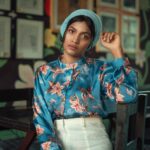
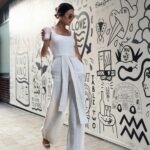
Developing a personal fashion style begins with understanding who you are and how you live your daily life. Your clothing choices should reflect your personality, interests, and the activities you do most often.
For example, someone who works in a professional environment may prefer a polished and structured style with blazers, shirts, and tailored trousers. On the other hand, someone with a more creative or relaxed lifestyle might enjoy casual outfits that include jeans, t-shirts, and comfortable jackets.
Your personal style should make you feel confident and comfortable. When clothing matches your personality, it becomes easier to express yourself through fashion.
Observing what types of outfits make you feel confident can help you understand your preferences. Over time, these preferences form the foundation of your personal style.
By aligning your wardrobe with your lifestyle and personality, you create a style that feels authentic and unique.
2. Build a Wardrobe with Versatile Basics
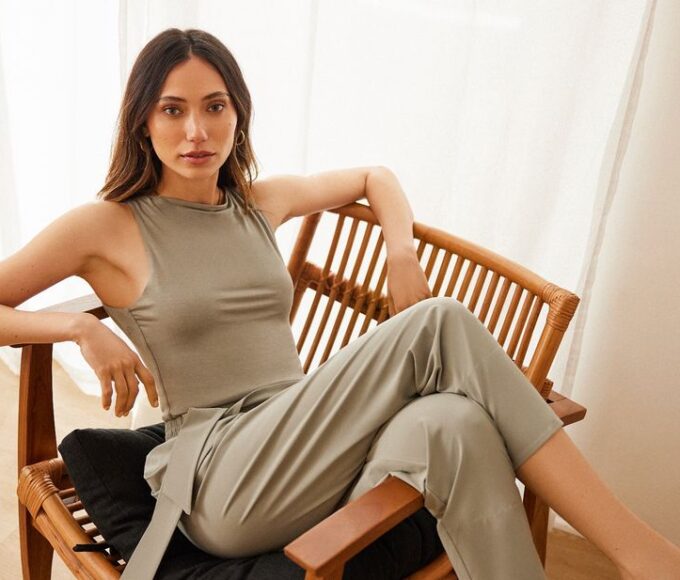
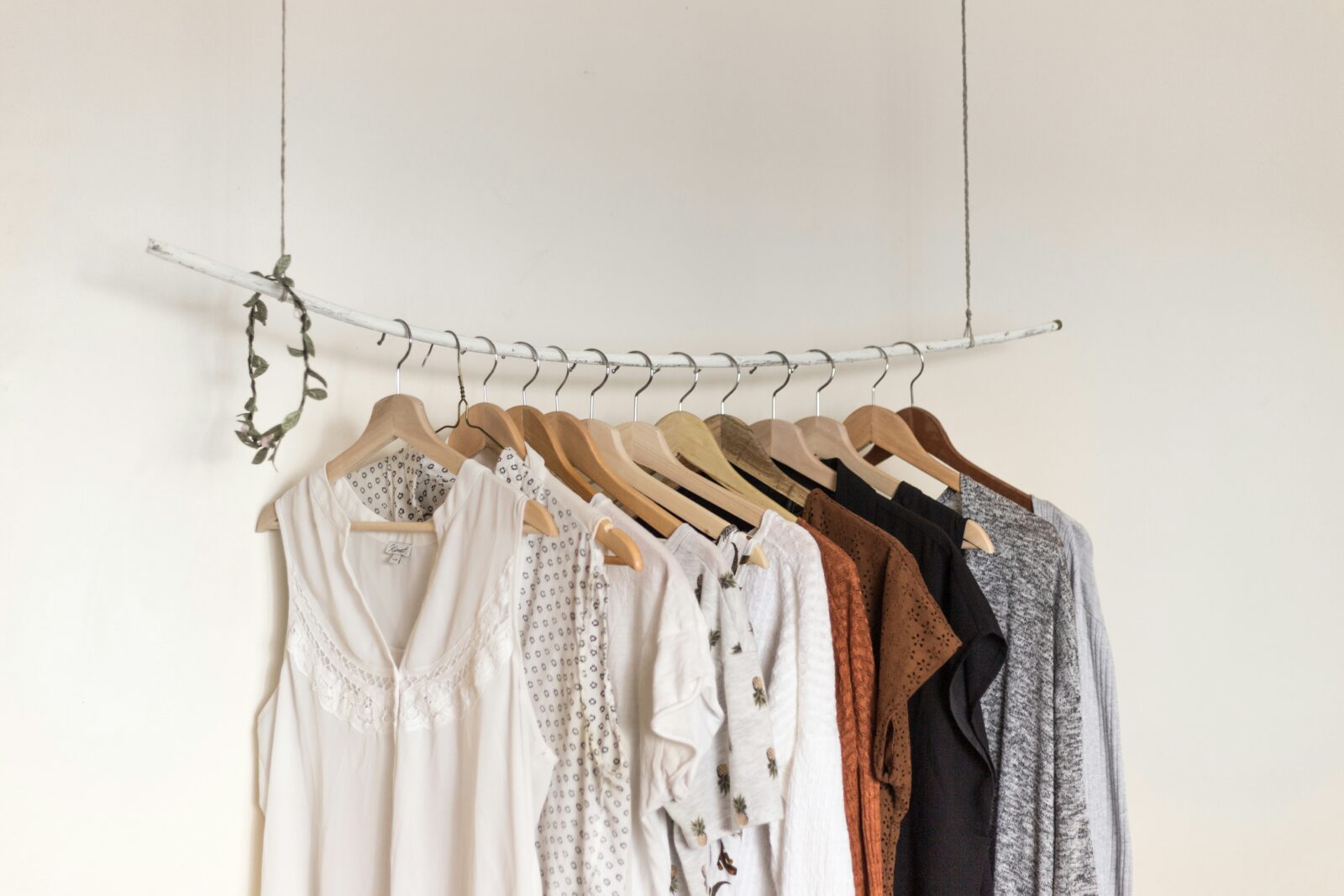
A strong personal style is often built on simple and versatile wardrobe pieces. These clothing items form the foundation of many outfits and allow you to experiment with different combinations.
Essential basics include plain t-shirts, white shirts, denim jeans, neutral sweaters, tailored trousers, and simple jackets. These items are easy to mix and match, making it easier to create stylish outfits.
Having versatile basics also allows you to add unique elements to your outfits without making them too complicated. For example, you can pair basic clothing with distinctive accessories or interesting layers.
Because these pieces are simple and timeless, they provide flexibility when developing your personal fashion style.
A wardrobe built on strong basics makes it easier to create outfits that reflect your individuality.
3. Experiment with Colors, Layers, and Textures
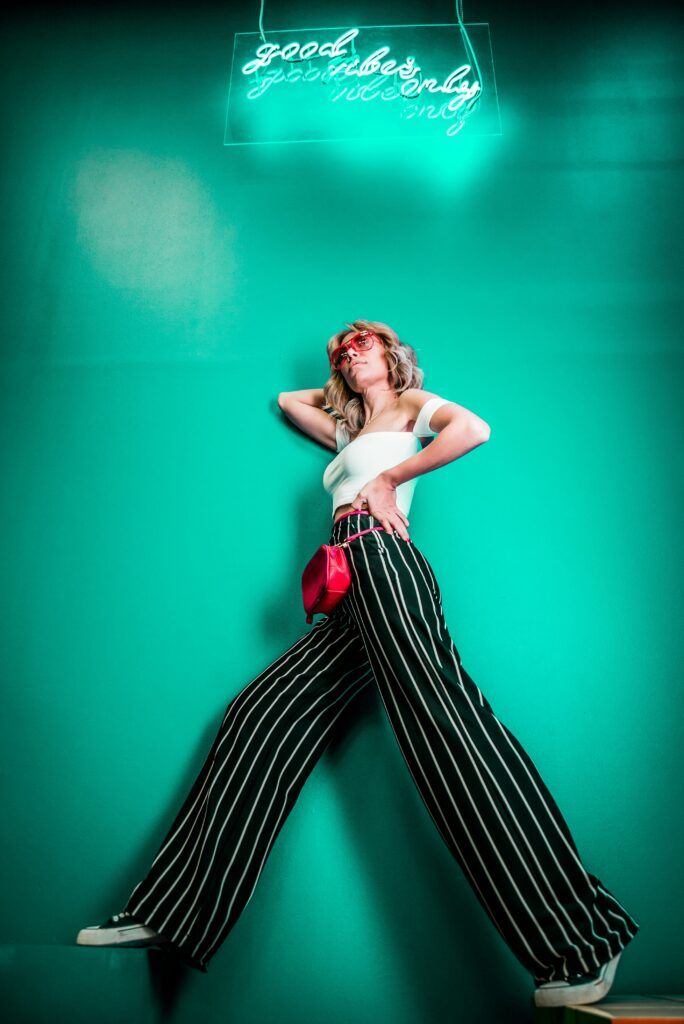
Developing a style that stands out often involves experimenting with different fashion elements. Colors, layers, and textures can all help make your outfits more interesting and unique.
Colors play an important role in defining personal style. While neutral colors create a clean and elegant look, adding accent colors can help your outfits feel more expressive.
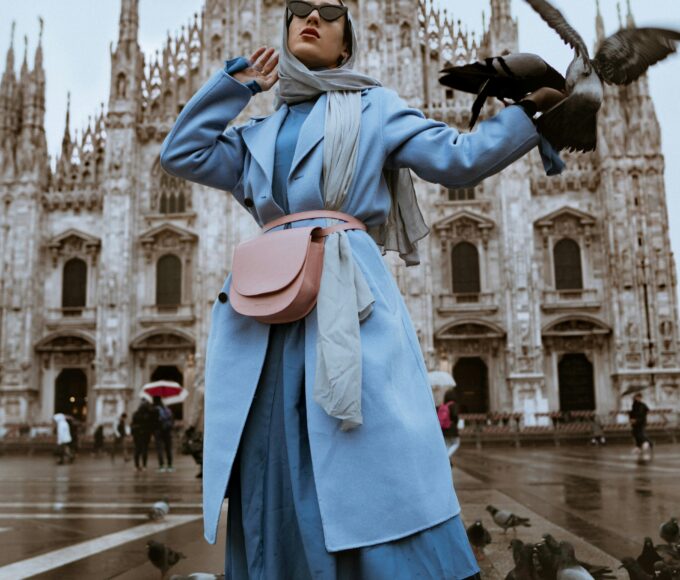
Layering clothing is another effective technique. Wearing a shirt under a sweater or adding a jacket over a simple outfit can create depth and variety.
Textures can also make outfits more visually appealing. Combining fabrics such as denim, cotton, wool, or knit materials adds dimension to your style.
Experimenting with these elements helps you discover combinations that suit your personality and make your outfits stand out.
4. Use Accessories to Express Your Identity
Accessories are powerful tools for developing a distinctive fashion style. Even simple outfits can look unique when paired with the right accessories.
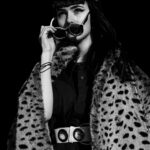
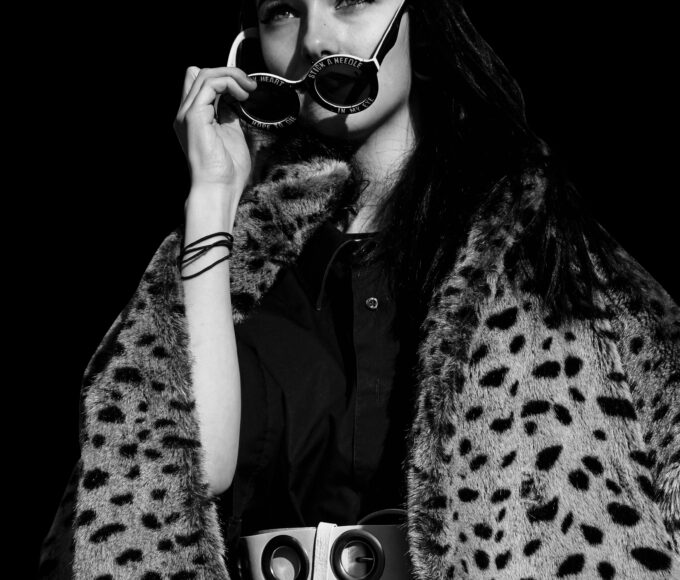
Items such as watches, belts, sunglasses, scarves, hats, or jewelry can add personality and character to your clothing.
For example, a classic watch can create a refined look, while bold sunglasses or statement jewelry can give your outfit a modern and creative touch.
Accessories also allow you to personalize your style without needing to constantly buy new clothing. A single outfit can look completely different when styled with different accessories.
However, it is important to maintain balance. Using a few well-chosen accessories usually creates a stronger impression than wearing too many at once.
Accessories help transform ordinary outfits into expressions of personal identity.
5. Develop Confidence in Your Style Choices
Confidence is one of the most important elements of a personal fashion style that stands out. Even the most fashionable clothing may not look impressive if it is worn without confidence.
When you feel comfortable in your outfit, it naturally improves your posture, body language, and overall presence. Confidence allows your clothing choices to appear intentional and stylish.
Developing confidence often comes from experimenting with different outfits and discovering what works best for you.
Instead of trying to copy others exactly, focus on adapting fashion ideas in ways that suit your personality.
Over time, your wardrobe will evolve into a style that feels natural and authentic.
Fashion is ultimately about self-expression. When you combine versatile basics, creative styling, thoughtful accessories, and confidence, you can develop a personal fashion style that truly stands out.