




1. Understanding the Idea of a Smart Wardrobe
A smart wardrobe is a carefully planned collection of clothing that focuses on versatility, quality, and practicality. Instead of buying large amounts of clothing that may only be worn a few times, a smart wardrobe emphasizes selecting pieces that can be worn frequently and styled in multiple ways.
Many people spend a lot of money on clothing every year but still feel like they have nothing to wear. This often happens because their wardrobe is filled with trendy items that do not match well with each other. A smart wardrobe solves this problem by focusing on timeless pieces that work together easily.
The goal of a smart wardrobe is to create a balance between style and practicality. When every item in your wardrobe can be combined with several others, you can create many outfits without needing a large number of clothes.
One major benefit of building a smart wardrobe is saving money. Instead of buying clothes frequently, you invest in high-quality pieces that last longer. Over time, this reduces unnecessary spending while maintaining a stylish appearance.
Another advantage is simplicity. With fewer but more versatile clothing items, choosing an outfit becomes easier and less stressful. Your wardrobe becomes organized, and you can quickly find combinations that look good.
A smart wardrobe also supports sustainable fashion habits. Fast fashion encourages constant buying and discarding of clothes, which contributes to environmental waste. Choosing durable and timeless pieces reduces this impact.
Ultimately, a smart wardrobe allows you to maintain a stylish lifestyle without overspending. By focusing on quality, versatility, and thoughtful purchases, you create a wardrobe that works for both your budget and your personal style.
2. Choosing Versatile Clothing That Works for Multiple Outfits
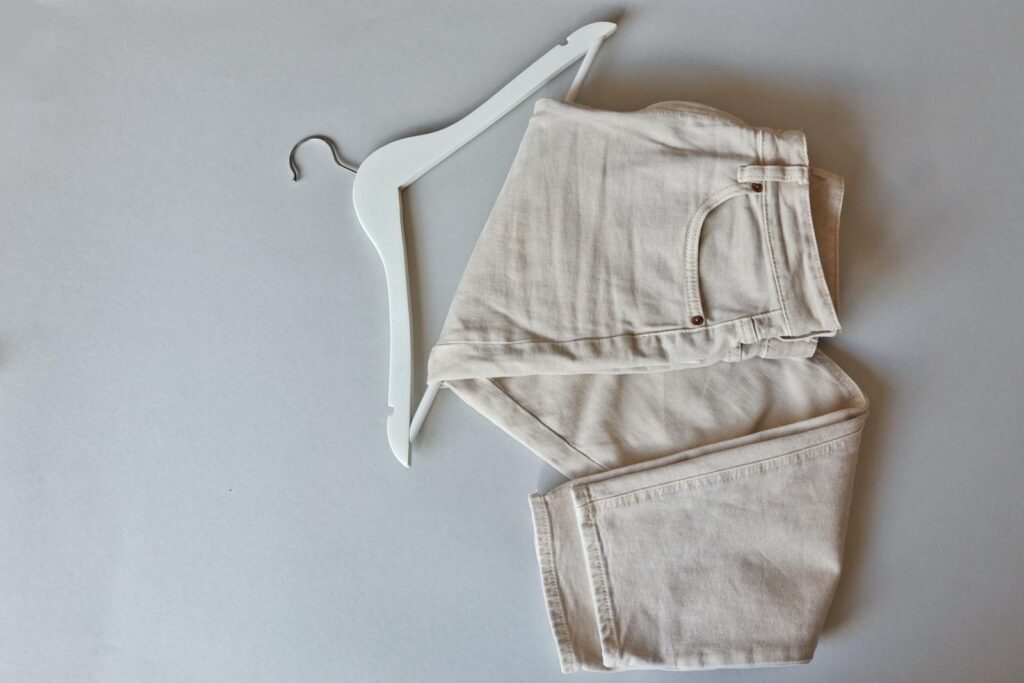
The foundation of a smart wardrobe is versatility. Each clothing item should be able to pair well with several other pieces, allowing you to create different outfits without needing excessive clothing.
One of the most versatile items is a classic white shirt. It can be worn in professional settings with trousers or in casual situations with jeans. Because of its simple design, it easily adapts to different styles.
Another essential piece is a pair of well-fitted denim jeans. Jeans are comfortable, durable, and suitable for many occasions. A classic straight or slim-fit design tends to remain stylish longer than extreme fashion trends.
Neutral-colored trousers are also important for a smart wardrobe. Colors such as black, navy, gray, and beige match with many tops and jackets, making them easy to style.
Blazers and lightweight jackets are also versatile additions. A blazer can transform a simple outfit into something more polished. When paired with jeans, it creates a stylish smart-casual look.
Basic t-shirts and sweaters are also valuable wardrobe pieces. Neutral shades like white, gray, and black can be layered with jackets or worn alone for a clean and modern appearance.
Footwear should also be versatile. White sneakers work well for casual outfits, while leather shoes or loafers provide a more formal option.
The key idea is to select clothing that can serve multiple purposes. This approach reduces the number of items you need while still allowing you to create stylish outfits.
3. Building a Neutral Color Palette for Easy Matching
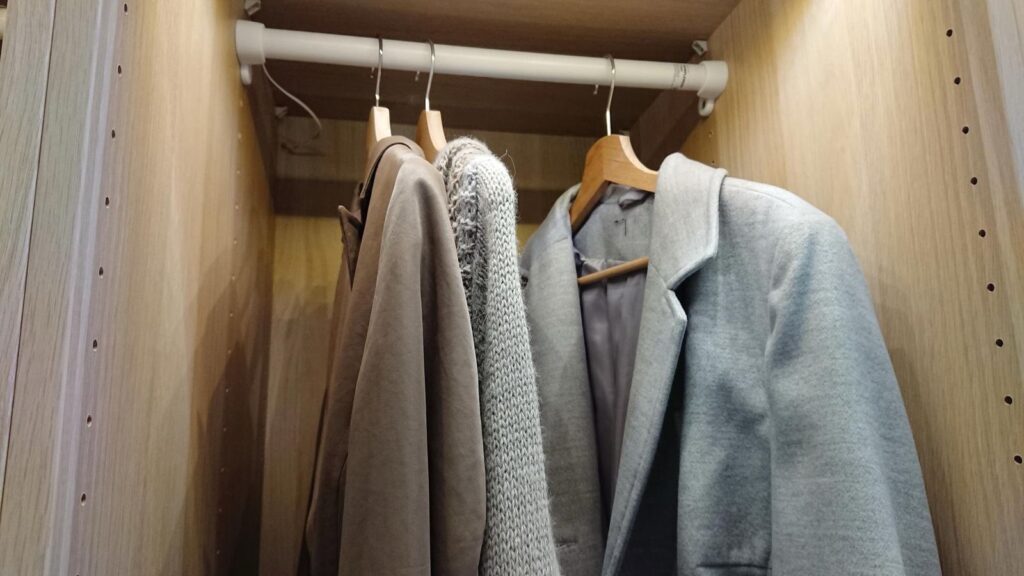
Color coordination plays a major role in building a smart wardrobe. When most of your clothing follows a consistent color palette, creating outfits becomes much easier.
Neutral colors form the base of a smart wardrobe. Shades such as black, white, navy, gray, and beige are timeless and easy to combine. These colors complement each other and rarely go out of style.
For example, black trousers can be paired with a white shirt, gray sweater, or navy jacket. Because neutral colors blend well together, outfit combinations become simple and effortless.
After establishing a neutral base, adding a few accent colors can bring personality to your wardrobe. Accent colors such as olive green, burgundy, or light blue can add visual interest while still maintaining balance.
However, it is important not to add too many colors. A limited color palette ensures that most clothing items can be mixed and matched easily.
Patterns should also remain simple. Designs like stripes, subtle checks, or small prints usually remain stylish longer than bold patterns.
Maintaining a consistent color palette also simplifies shopping decisions. When you know which colors dominate your wardrobe, it becomes easier to choose new items that match your existing clothes.
This strategy helps prevent impulse purchases and ensures that every new clothing piece contributes to multiple outfits.
4. Smart Shopping Habits That Help You Save Money
Creating a smart wardrobe requires thoughtful shopping habits. Instead of buying clothes impulsively, it is important to focus on purchases that provide long-term value.
One effective strategy is prioritizing quality over quantity. High-quality clothing tends to last longer and maintain its appearance even after repeated use.
Before buying a new item, consider how often you will wear it. If the clothing piece can only be worn on rare occasions, it may not be a practical purchase.
Another useful method is the “three-outfit rule.” Before purchasing something new, imagine at least three different outfits you can create using items you already own. If you cannot create several combinations, the item may not be versatile enough.
Shopping during seasonal sales can also help save money. Classic items such as coats, sweaters, and shoes often become discounted during end-of-season periods.
Avoid buying clothing simply because it is trendy. Trend-driven items often lose popularity quickly, which can lead to unnecessary spending.
It is also helpful to review your wardrobe regularly. Identifying items you rarely wear can help you understand which styles truly suit your lifestyle.
Building a smart wardrobe takes time. By making thoughtful purchasing decisions, you gradually create a collection of clothing that remains stylish and practical.
5. Maintaining and Styling Your Smart Wardrobe
Once you have built a smart wardrobe, maintaining it properly ensures that your clothing continues to look stylish for many years.
Proper clothing care is essential. Following washing instructions, avoiding excessive heat during drying, and storing garments correctly help preserve fabric quality.
Closet organization also plays an important role. Arranging clothing by category or color allows you to see all your items clearly and plan outfits easily.
Learning to style your wardrobe creatively is another key aspect. Because your wardrobe contains versatile pieces, you can create multiple outfits by combining items in different ways.
Layering is an effective styling technique. A shirt can be worn alone, layered under a sweater, or paired with a blazer to create different looks.
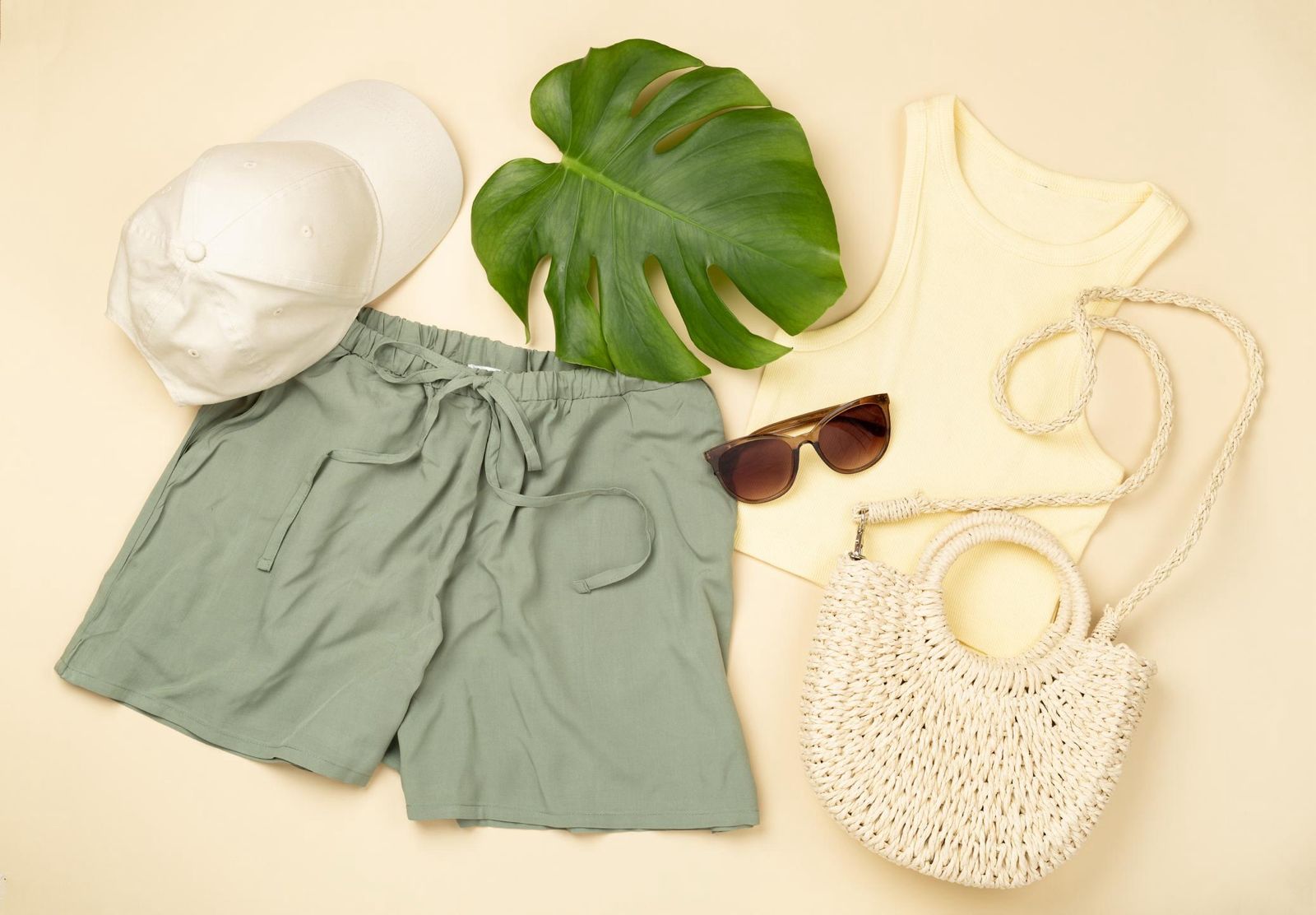
Accessories can also transform outfits. A watch, scarf, belt, or handbag can add personality to a simple outfit without requiring additional clothing items.
Seasonal adjustments also help keep your wardrobe fresh. During warmer months, lightweight fabrics and breathable clothing work best. In colder seasons, sweaters and coats provide warmth while maintaining style.
Regularly reviewing your wardrobe helps ensure it continues to meet your lifestyle needs. As your preferences change, you can update certain pieces while keeping the timeless foundation intact.
A well-maintained smart wardrobe ultimately saves money, reduces clutter, and allows you to enjoy a stylish and organized approach to fashion every day.